

10 Best Fitness Trackers – Top Picks for 2026

You do not need a bulky smartwatch to get serious about your health. The best fitness trackers of 2026 are slimmer, smarter and longer lasting than ever, quietly recording your steps, workouts, heart rate and sleep while barely sipping battery. Whether you want a simple band that runs for three weeks on a charge, a screenless coach that tells you when to train and when to rest, or a smart ring that disappears on your finger, there is a tracker here to match your goals. This fitness trackers guide brings together everything you need to choose with confidence.
We have rounded up the ten best fitness trackers you can buy right now, from the brilliant all round Fitbit Charge 6 to the incredible value Xiaomi Smart Band 10 and the data obsessed Whoop 5.0. Every pick has been judged on tracking accuracy, battery life, comfort, app quality and overall value for money. Read on to find the perfect partner for your fitness journey.
1. Fitbit Charge 6

The Fitbit Charge 6 is the fitness tracker most people should buy. It packs built in GPS, a more accurate heart rate sensor and Google smarts into a slim band that lasts up to seven days on a charge. Pairing with gym equipment over Bluetooth, turn by turn directions from Google Maps and contactless payments make it feel like a proper smartwatch, minus the bulk and the daily charging.
For shoppers comparing the best fitness trackers this year, Fitbit Charge 6 deserves a place on the shortlist.
For anyone shortlisting the best fitness trackers, Fitbit Charge 6 is well worth a closer look.
The Fitbit app remains one of the best in the business, with clear trends for sleep, readiness and activity, plus guided workouts and mindfulness sessions. YouTube Music controls are a nice bonus for subscribers, and the bright colour AMOLED display is easy to read mid run. Some deeper insights sit behind Fitbit Premium, but the free experience is generous enough for most users.
Key features:
- Built in GPS for phone free run tracking
- Improved heart rate accuracy over previous models
- Up to 7 days battery life
- Google Maps, Wallet and YouTube Music integration
- Bluetooth pairing with compatible gym equipment
- SpO2, skin temperature and stress tracking
Pros:
- Excellent all round tracking in a slim design
- Strong app with clear health trends
- Great smartwatch style extras
Cons:
- Some insights need Fitbit Premium
- No Apple Health integration
2. Xiaomi Smart Band 10

The Xiaomi Smart Band 10 is the undisputed value champion. For a fraction of the price of big brand rivals, you get a large 1.72 inch AMOLED display with 1500 nits brightness, a nine axis sensor for improved swim tracking, more accurate heart rate monitoring and a staggering 21 day battery life. It even adds an electronic compass, a first for the series.
Overall, Xiaomi Smart Band 10 stands out as a dependable fitness trackers choice for everyday use.
Xiaomi Smart Band 10 earns its place as a trusted fitness trackers option in this roundup.
The band tracks over 150 workout modes, monitors sleep stages, stress and SpO2, and can broadcast your heart rate to cycle computers and gym equipment. The Mi Fitness app is the weakest link, feeling a little clunky next to Fitbit or Garmin, but the hardware is so good for the money that it is easy to forgive. If you want maximum tracker for minimum spend, look no further.
Key features:
- 1.72 inch AMOLED display at 1500 nits
- Up to 21 days battery life
- Nine axis sensor with improved swim tracking
- Heart rate broadcast to external devices
- Over 150 workout modes
- 5ATM water resistance
Pros:
- Unbeatable value for money
- Superb battery life and bright display
- Accurate tracking for the price
Cons:
- Companion app feels clunky
- Heart rate tracking not perfect
3. Garmin Vivosmart 5
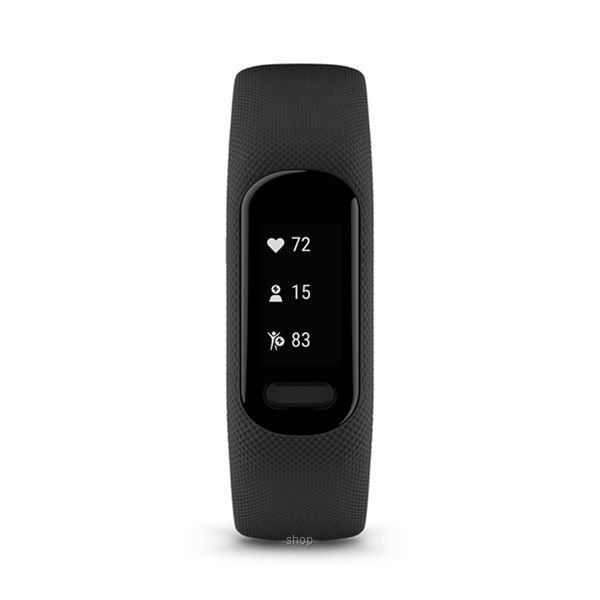
The Garmin Vivosmart 5 is the premium slim band for people who live in the Garmin ecosystem. It is feather light and comfortable enough to forget you are wearing it, yet it delivers advanced sleep tracking with sleep score, Body Battery energy monitoring, stress tracking and heart rate alerts. Seven days of battery keeps you tracking around the clock.
If fitness trackers quality is your top priority, Garmin Vivosmart 5 is easy to recommend.
When it comes to reliable fitness trackers, Garmin Vivosmart 5 consistently gets high marks from owners.
Everything syncs into Garmin Connect, which remains the gold standard for training data, with no subscription required for any of your metrics. There is no built in GPS, so it borrows your phone's signal for outdoor workouts, and the small monochrome touchscreen is basic compared with AMOLED rivals. But for 24 hour wearability and serious health data without a smartwatch, it excels.
Key features:
- Slim lightweight band design
- Advanced sleep tracking with sleep score
- Body Battery energy monitoring
- Stress tracking and abnormal heart rate alerts
- Up to 7 days battery life
- Full Garmin Connect data with no subscription
Pros:
- Extremely comfortable for all day and night wear
- Excellent health metrics with no paywall
- Great for existing Garmin users
Cons:
- No built in GPS
- Basic display next to AMOLED rivals
4. Samsung Galaxy Fit 3
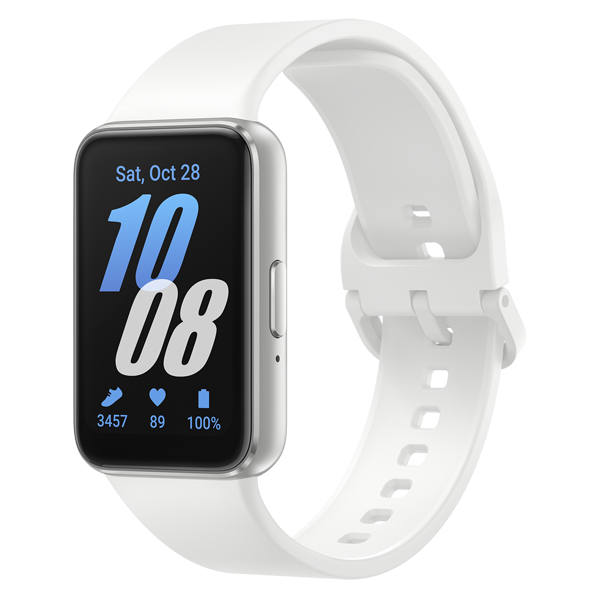
The Samsung Galaxy Fit 3 brings a big bright 1.6 inch AMOLED display to the budget tracker class, and it is a genuine delight to use. Text is crisp, the interface is smooth, and the aluminium case feels far more premium than the price suggests. Battery life of up to 13 days means you will rarely think about charging it.
Among this year’s fitness trackers options, Samsung Galaxy Fit 3 offers a strong balance of quality and value.
Buyers who want proven fitness trackers performance will find a lot to like in Samsung Galaxy Fit 3.
It tracks over 100 workout modes, monitors sleep with snore detection, and feeds everything into the excellent Samsung Health app with its clear charts and challenges. There is no built in GPS, so runners will need their phone along, and iPhone owners should look elsewhere. But for Android users wanting a stylish, long lasting tracker on a budget, the Fit 3 is superb.
Key features:
- 1.6 inch AMOLED display in aluminium case
- Up to 13 days battery life
- Over 100 workout modes
- Sleep tracking with snore detection
- Fall detection and emergency SOS
- Samsung Health app integration
Pros:
- Great display and build for the price
- Very long battery life
- Excellent Samsung Health ecosystem
Cons:
- No built in GPS
- Not compatible with iPhones
5. Amazfit Band 7
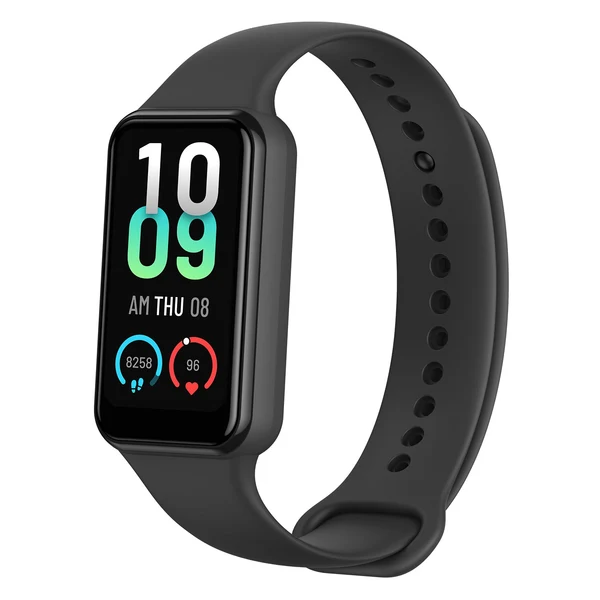
The Amazfit Band 7 is the starter tracker that punches well above its weight. Its large 1.47 inch AMOLED display is bright and colourful, battery life stretches to 18 days with typical use, and it tracks heart rate, SpO2, stress and sleep around the clock. Built in Alexa means you can set timers and check the weather from your wrist.
Amazfit Band 7 remains one of the most popular fitness trackers picks with buyers.
Amazfit Band 7 rounds out our fitness trackers selection as a solid all round performer.
With 120 sport modes and 5ATM water resistance, it handles everything from pool swims to gym sessions, and the Zepp app presents your data clearly with PAI health scores that turn activity into one simple number. Accuracy is good rather than class leading, and the design is plain, but for the price it is one of the easiest recommendations in fitness tech.
Key features:
- 1.47 inch AMOLED always on display
- Up to 18 days typical battery life
- Built in Amazon Alexa voice assistant
- 120 sport modes with smart recognition
- 24 hour heart rate, SpO2 and stress monitoring
- PAI personal activity intelligence scores
Pros:
- Superb battery life for the price
- Big bright display
- Alexa built in is genuinely useful
Cons:
- Tracking accuracy a step below premium rivals
- Plain design
6. Whoop 5.0

The Whoop 5.0 takes a radically different approach: no screen, no distractions, just deep physiological insight. This slim band measures strain, recovery and sleep around the clock, then tells you each morning how recovered you are and how hard you should train. For athletes who train by feel and data rather than by step counts, it is revelatory.
For anyone shortlisting the best fitness trackers, Whoop 5.0 is well worth a closer look.
For shoppers comparing the best fitness trackers this year, Whoop 5.0 deserves a place on the shortlist.
The companion app is where the magic happens, with detailed breakdowns of sleep performance, HRV trends, and the Healthspan feature that estimates your pace of ageing with actionable advice. The hardware comes free with a membership, and higher tiers add ECG screening and blood pressure insights. Battery lasts well over a week, and you can charge it while wearing it. The subscription cost adds up, but committed trainers swear by it.
Key features:
- Screenless design with no distractions
- Strain, recovery and sleep coaching
- Healthspan and pace of ageing insights
- Over a week of battery with on wrist charging
- ECG and blood pressure insights on top tiers
- Highly customisable bands and apparel integration
Pros:
- Best in class recovery coaching
- Comfortable enough to wear 24/7
- Actionable data, not just numbers
Cons:
- Requires an ongoing subscription
- No on device display
7. Oura Ring 4

The Oura Ring 4 proves the best fitness tracker is the one you forget you are wearing. This titanium smart ring tracks sleep, readiness, heart rate, HRV and skin temperature from your finger, where the signal is cleaner than the wrist. Researchers widely regard its sleep tracking as the best available in any consumer wearable.
Oura Ring 4 earns its place as a trusted fitness trackers option in this roundup.
Overall, Oura Ring 4 stands out as a dependable fitness trackers choice for everyday use.
The Oura app turns the data into simple scores for sleep, readiness and activity, with long term trends that reveal how lifestyle changes affect your body. Battery lasts five to eight days, it is comfortable enough for all night wear, and the new sensing platform adapts to your finger for more accurate readings. There is no GPS and workout tracking is basic, plus a subscription is required, but for sleep and recovery insight it is unmatched.
Key features:
- Discreet titanium smart ring design
- Best in class sleep and readiness tracking
- Continuous HRV and skin temperature monitoring
- 5 to 8 days battery life
- Automatic activity detection
- Deep long term health trend analysis
Pros:
- Effortless 24/7 wearability
- Superb sleep tracking accuracy
- Clean simple app
Cons:
- Subscription required for full features
- No GPS and limited workout tracking
8. Garmin Forerunner 570

The Garmin Forerunner 570 is the sweet spot in Garmin's running watch range. Its bright AMOLED display finally gives runners the vibrant screen they wanted, while underneath it packs everything that makes Garmin great: multi band GPS, training readiness, suggested workouts, running dynamics and music storage. Battery life reaches around 11 days in smartwatch mode.
When it comes to reliable fitness trackers, Garmin Forerunner 570 consistently gets high marks from owners.
If fitness trackers quality is your top priority, Garmin Forerunner 570 is easy to recommend.
Morning report greets you with sleep, recovery and training outlook, and the training status features genuinely help you peak for race day rather than overtrain. Garmin Pay and smart notifications cover daily life, and every metric is free with no subscription. It is pricier than a band and bulkier too, but for runners who want it all, the 570 is superb.
Key features:
- Bright AMOLED display in 42mm and 47mm sizes
- Multi band GPS with SatIQ
- Training readiness and suggested workouts
- Morning report with recovery insights
- Music storage and Garmin Pay
- Around 11 days smartwatch battery life
Pros:
- Superb running and training features
- Excellent GPS accuracy
- No subscription for any metric
Cons:
- Expensive compared with bands
- Larger than typical trackers
9. Coros Pace 3

The Coros Pace 3 is the value king of GPS sports watches. Weighing as little as 30 grams, it delivers dual band GPS accuracy that rivals watches costing twice as much, plus 38 hours of GPS tracking and around two weeks of normal use. For runners, triathletes and ultra distance athletes on a budget, it is a revelation.
Buyers who want proven fitness trackers performance will find a lot to like in Coros Pace 3.
Among this year’s fitness trackers options, Coros Pace 3 offers a strong balance of quality and value.
The Coros app has matured into an excellent training platform with training load, running power and structured workout plans, all with no subscription. The MIP display is always readable in sunlight but lacks the wow factor of AMOLED, and there are no NFC payments. But if your priority is accurate tracking and huge battery at a fair price, nothing touches it.
Key features:
- Dual band GPS with excellent accuracy
- 38 hours GPS battery, 15 days watch mode
- Featherweight 30 to 39 gram design
- On wrist running power metrics
- Training load and structured plans in app
- 4GB MP3 music storage
Pros:
- Outstanding GPS battery life
- Very light and comfortable
- No subscription, great value
Cons:
- MIP display less vibrant than AMOLED
- No contactless payments
10. Huawei Band 11 Pro
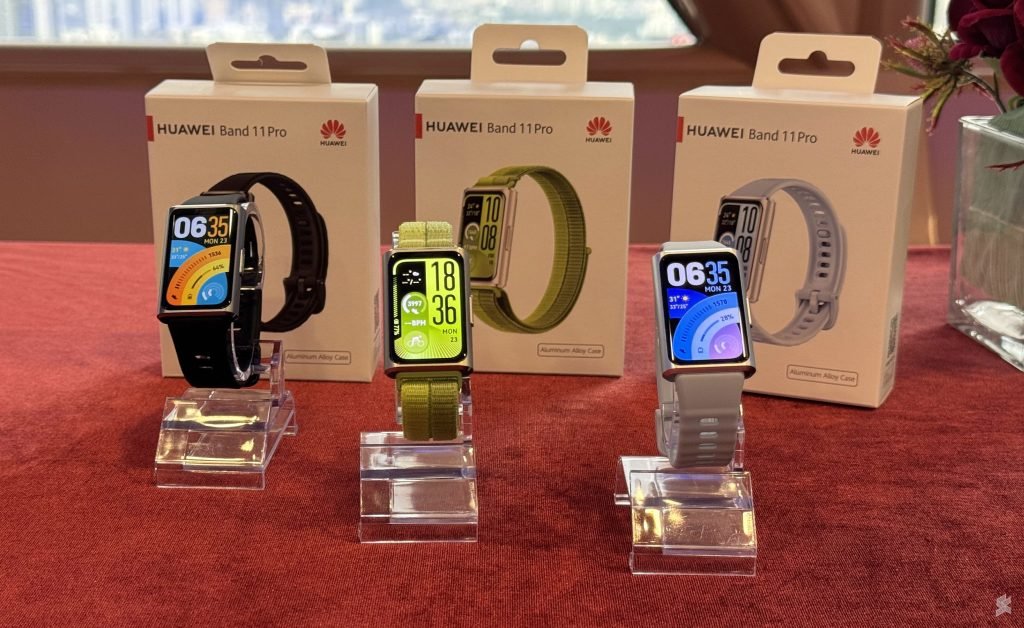
The Huawei Band 11 Pro brings flagship polish to the affordable band category. Its premium aluminium alloy case and bright AMOLED display look and feel a class above typical budget trackers, while the feature set covers over 100 workout modes, detailed sleep analysis, SpO2 and stress tracking. Battery life is solid at around two weeks.
Huawei Band 11 Pro rounds out our fitness trackers selection as a solid all round performer.
Huawei Band 11 Pro remains one of the most popular fitness trackers picks with buyers.
Huawei Health ties it together with clear dashboards and useful insights, and the band works with both Android and iPhones. GPS accuracy can be a little inconsistent on tricky routes, and the app ecosystem is thinner than Google's. But as an everyday health and fitness companion that looks great and sips battery, the Band 11 Pro is easy to recommend.
Key features:
- Premium aluminium alloy case design
- Bright AMOLED display
- Over 100 workout modes
- Detailed sleep, SpO2 and stress tracking
- Around two weeks battery life
- Works with Android and iOS
Pros:
- Premium design and build quality
- Strong display and feature set for the price
- Long battery life
Cons:
- GPS can be inconsistent
- Limited third party app support
Buying Guide: How to Choose the Best Fitness Trackers
Band, watch or ring. Slim bands like the Xiaomi Smart Band 10 and Vivosmart 5 disappear on the wrist and last for weeks. Watch style trackers like the Forerunner 570 and Pace 3 add bigger screens and deeper sport features. Rings like the Oura Ring 4 and screenless bands like Whoop suit people who want data without distractions.
Built in GPS. If you run or cycle outdoors and want accurate routes without carrying your phone, built in GPS is essential. The Fitbit Charge 6, Forerunner 570 and Pace 3 all have it, while cheaper bands like the Galaxy Fit 3 and Band 11 Pro borrow your phone's signal.
Battery life. This varies enormously. The Xiaomi Smart Band 10 manages 21 days, the Amazfit Band 7 around 18, and most others a week or two. Decide whether you are happy charging weekly or want to forget about it for a month.
App and subscriptions. The companion app is half the product. Fitbit, Garmin, Samsung Health and Oura all offer excellent apps, but note that Whoop and Oura require subscriptions for full features, while Garmin and Coros give you everything free.
Water resistance. Every tracker here handles swimming, with 5ATM the common standard. If you swim regularly, check for dedicated pool swim modes and stroke tracking, which the Xiaomi and Amazfit bands both offer.
Comfort and wearability. You will wear this day and night, so weight and bulk matter more than specs suggest. Slim bands and rings win for sleep tracking, while larger watches suit daytime training.
Keep researching the best fitness trackers with our related guides to the best smartwatches and best mens watches. For useful background on fitness trackers, the Watch on Wikipedia article is worth a read.
Frequently Asked Questions
Do fitness trackers work without a phone nearby? For more detail on fitness trackers, see the buying guide above.
Yes for daily activity, heart rate and sleep tracking, as they store data on board and sync with your phone later. For GPS tracked runs without your phone, you need a tracker with built in GPS, like the Fitbit Charge 6, Garmin Forerunner 570 or Coros Pace 3. Phone free models suit runners who hate carrying a handset, though cheaper bands borrow your phone's signal for routes. For more detail on fitness trackers, see the buying guide above.
Do I need a subscription for a fitness tracker?
Not usually. Fitbit, Garmin, Xiaomi, Samsung, Amazfit, Huawei and Coros give you full tracking, workout history and sleep insights with no subscription at all. Whoop requires a monthly membership to access your data, and Oura needs one for full readiness and recovery features, so factor that ongoing cost into your budget before committing to either brand.
Should I buy a fitness band or a smartwatch?
Choose a band, tracker or ring if you mainly want health and fitness data with long battery life and a slim, comfortable design for sleep. Choose a smartwatch if you also want apps, voice assistants, music and LTE calls on your wrist. Many people find a dedicated tracker does everything they actually need, often with weeks of battery instead of days.
Can I swim with these fitness trackers?
Yes. All ten are water resistant to at least 5ATM, making them safe for pool swimming and showering, and several handle open water sessions too. Rinse them in fresh water after swimming in the sea or a chlorinated pool to keep sensors accurate and straps fresh. Avoid wearing them in hot tubs, saunas or during diving, which exceed their rated protection.
How accurate are fitness trackers?
Modern trackers are impressively accurate for heart rate, steps and sleep duration, especially premium models from Garmin, Fitbit and Oura with advanced sensors. Wrist based readings can still vary during intense exercise or if the strap is loose, so athletes chasing precision may prefer a chest strap for heart rate. For everyday health trends, though, these trackers are more than reliable enough.
Conclusion
The best fitness trackers are the ones you will actually wear every day. For most people, the Fitbit Charge 6 hits the sweet spot of features, accuracy and smart extras. Budget buyers cannot beat the Xiaomi Smart Band 10 or Amazfit Band 7, while Samsung phone owners should look at the Galaxy Fit 3 and style conscious buyers the Huawei Band 11 Pro. Serious runners will love the Garmin Forerunner 570 and the incredible value Coros Pace 3, recovery focused athletes should try the Whoop 5.0, and anyone who wants effortless sleep insight should consider the Oura Ring 4.
Whichever you choose, consistent tracking beats occasional perfection. Strap it on, wear it day and night, and let the data guide you to a healthier routine.
In short, the best fitness trackers is the one that fits your needs and budget. Use the reviews above to compare the leading fitness trackers options side by side, then pick the fitness trackers that you will enjoy using for years to come.

6 thoughts on “10 Best Fitness Trackers – Top Picks for 2026”