


10 Best Portable Power Stations – Top Picks for 2026
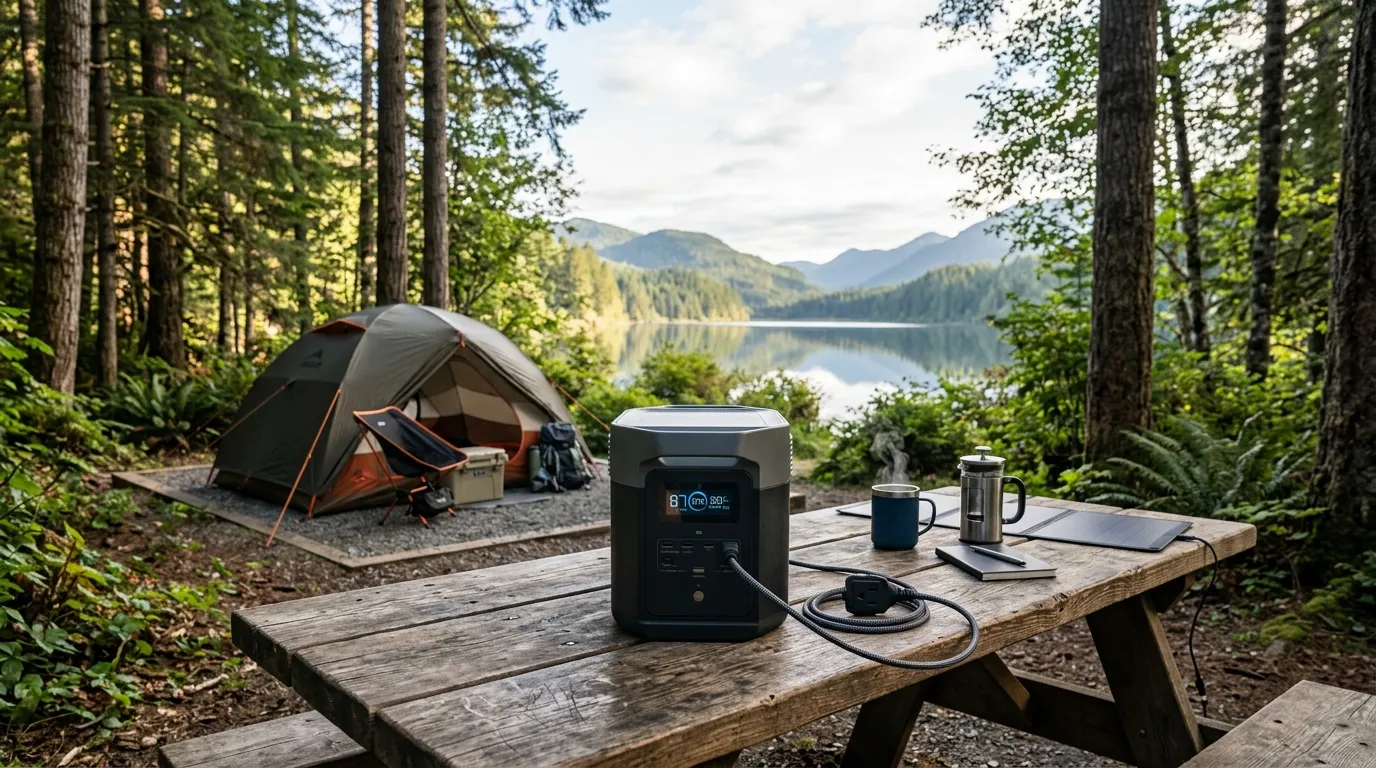
Portable power stations have become the essential bit of kit for camping trips, van life and emergency backup at home. They pack a big lithium battery, a mains inverter and a full set of USB and 12 volt outputs into one quiet, fume free box that recharges from a wall socket, your car or a solar panel. The ten stations below are all real, current models that you can buy right now, from pocket sized weekenders to 2kWh beasts that can run a fridge through a blackout. This portable power stations guide brings together everything you need to choose with confidence.
We judged each one on usable capacity, inverter power, charging speed, battery chemistry and overall value. Every station on this list uses a pure sine wave inverter that is safe for laptops, camera gear and medical devices, and most now run long life lithium iron phosphate cells that survive thousands of cycles. Pick the capacity that matches your trips and you will never go back to noisy generators.
1. Jackery Explorer 1000 Pro
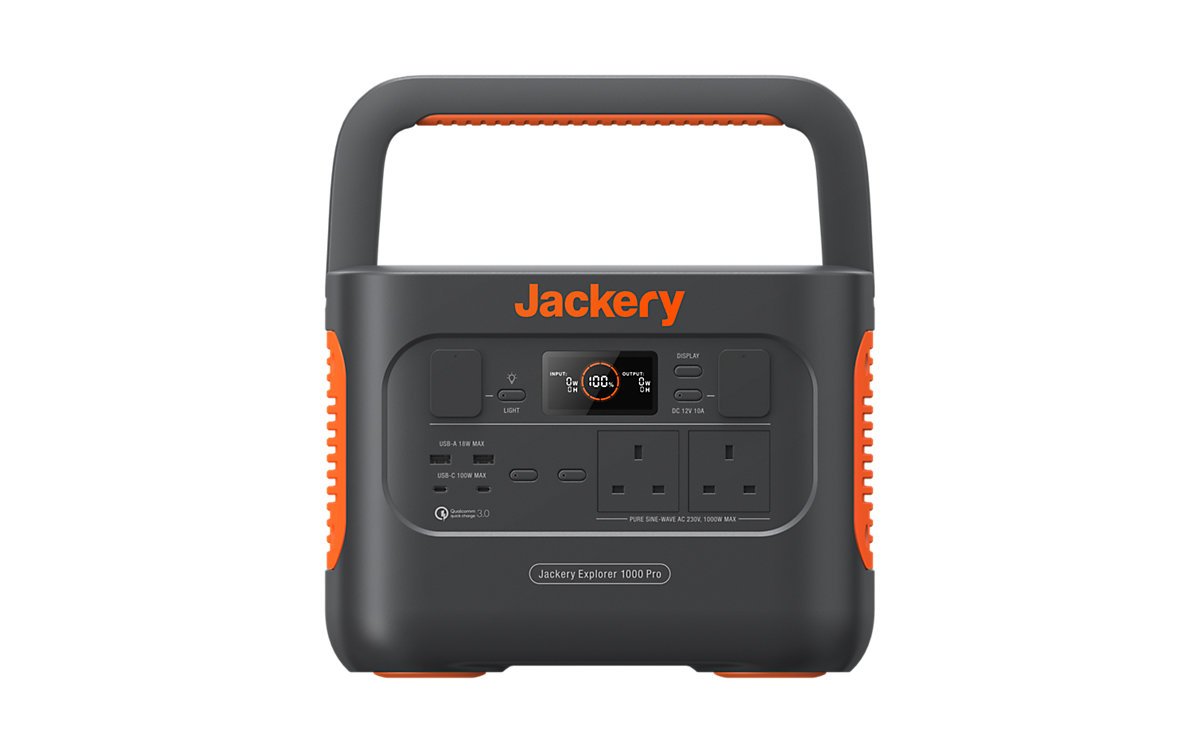
The Jackery Explorer 1000 Pro sets the benchmark for the one kilowatt class. It packs 1002Wh of capacity with a 1000W pure sine wave inverter, surging to 2000W, and recharges from a wall socket in 1.8 hours. The foldable handle, smart screen and quiet 46dB operation make it a joy to live with.
For shoppers comparing the best portable power stations this year, Jackery Explorer 1000 Pro deserves a place on the shortlist.
For anyone shortlisting the best portable power stations, Jackery Explorer 1000 Pro is well worth a closer look.
Two 230V AC outlets, dual 100W USB-C PD ports, two quick charge USB-A ports and a 12V car outlet run eight devices at once. It accepts up to 800W of solar input. At 11.5kg it is not light, and the older lithium ion cells give 1000 cycles rather than LiFePO4 longevity, but its polish keeps it top of the pile.
Key features:
- 1002Wh capacity with 1000W AC output
- Full recharge from mains in 1.8 hours
- Dual 100W USB-C Power Delivery ports
- Up to 800W solar input via dual MPPT
- Quiet 46dB operation under load
- Smart screen and foldable handle
Pros:
- Class leading ease of use
- Excellent fast charging
- Proven reliable brand
Cons:
- Heavy at 11.5kg
- Lithium ion cells age faster than LiFePO4
2. EcoFlow DELTA 2
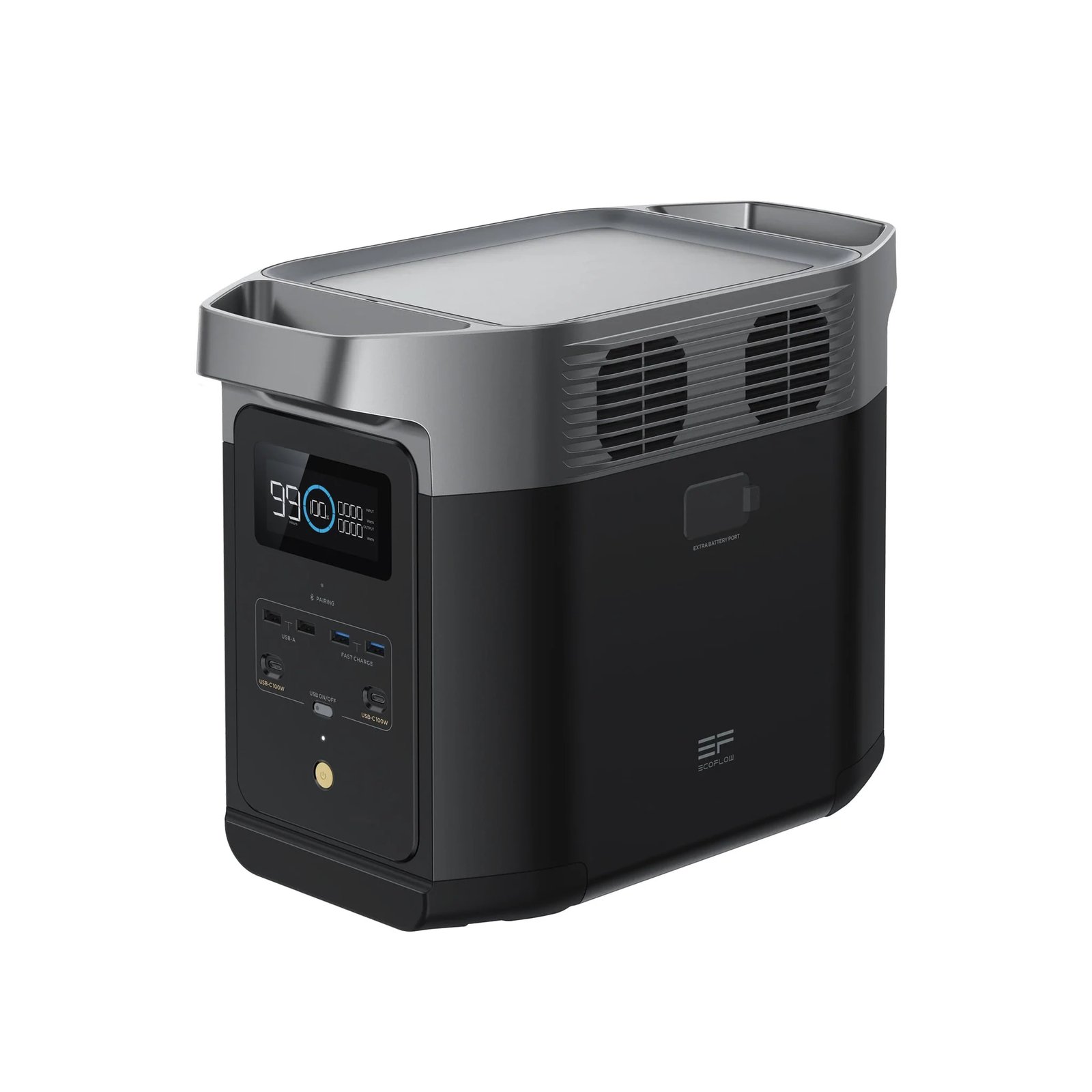
The EcoFlow DELTA 2 takes the fight to Jackery with a bigger inverter and battery chemistry that lasts. Its 1024Wh LiFePO4 pack delivers 1800W of continuous AC power, expandable to 2048Wh with an extra battery, and the cells are rated for 3000 cycles to 80 percent. X-Boost mode runs heating devices up to 2400W without tripping.
Overall, EcoFlow DELTA 2 stands out as a dependable portable power stations choice for everyday use.
EcoFlow DELTA 2 earns its place as a trusted portable power stations option in this roundup.
Charging is blisteringly fast: 1200W AC input fills it in about 80 minutes, and the EcoFlow app gives full remote control over Wi-Fi and Bluetooth. With four AC outlets, dual 100W USB-C ports and sub 30ms EPS mode, it doubles as home backup. The fan is loud under full load and it weighs 12kg, but as an all rounder it is superb.
Key features:
- 1024Wh LiFePO4 battery, 3000 cycle life
- 1800W continuous output, 2700W surge
- 80 minute full recharge from AC
- Expandable to 2048Wh with extra battery
- Dual 100W USB-C and four AC outlets
- Wi-Fi and Bluetooth app control
Pros:
- Huge output for the size
- Outstanding battery longevity
- Great for home backup use
Cons:
- Fan noise under heavy load
- 12kg is a chunky carry
3. DJI Power 1000
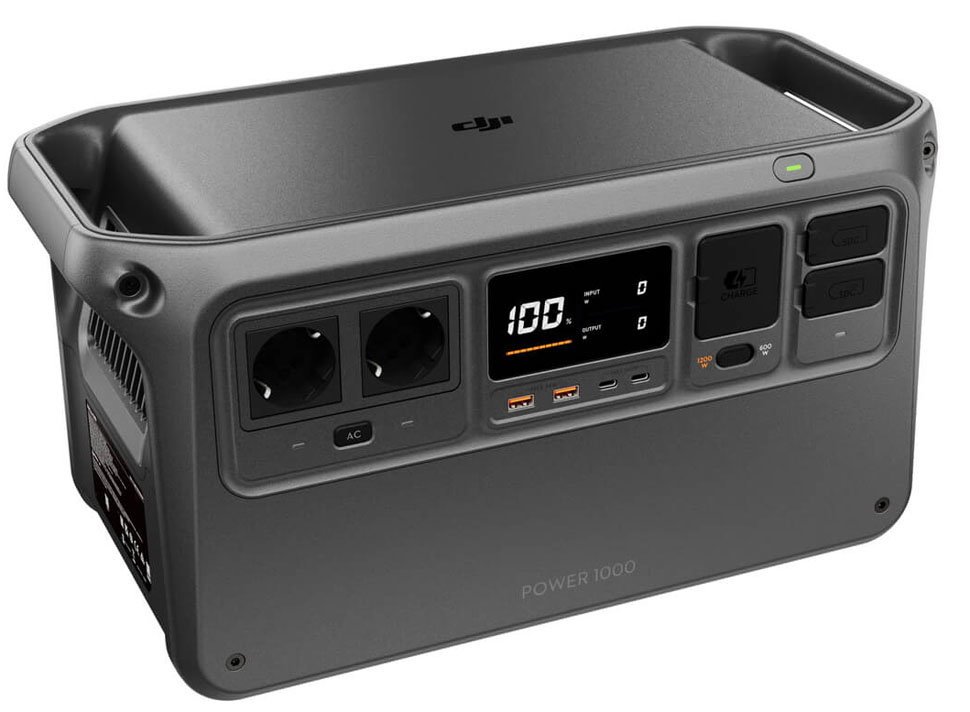
DJI's first power station is a genuine surprise, outmuscling established brands on output and noise. The 1024Wh LiFePO4 battery feeds a 2200W inverter that handles kettles, microwaves and power tools most rivals cannot touch, and it recharges fully in 70 minutes from the wall. It whispers along at 23dB, quieter than a library.
If portable power stations quality is your top priority, DJI Power 1000 is easy to recommend.
When it comes to reliable portable power stations, DJI Power 1000 consistently gets high marks from owners.
The dual 140W USB-C ports with PD 3.1 are class leading for charging laptops and drones, and 800W of solar input makes off grid refills practical. DJI tunes it for its own drones with fast charge support. It is heavy at 13kg, the app ecosystem is thinner than EcoFlow's, and there is no capacity expansion, but for silent high output it is unmatched.
Key features:
- 1024Wh LiFePO4 with 4000 cycle rating
- 2200W continuous AC output
- Full recharge in 70 minutes from AC
- Ultra quiet 23dB operation
- Dual 140W USB-C PD 3.1 ports
- 800W maximum solar input
Pros:
- Best output in its class
- Whisper quiet in use
- Superb build quality
Cons:
- No expandable capacity
- Basic app features
4. Anker 767 PowerHouse
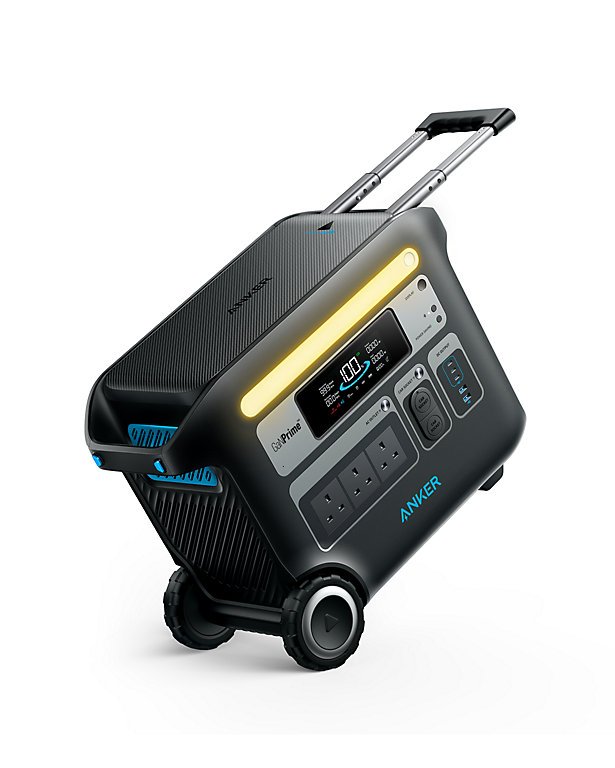
The Anker 767, also sold as the SOLIX F2000, is the big rig of this list with a massive 2048Wh LiFePO4 battery and 2400W of continuous output. It runs a full size fridge for hours, powers tools all day, or backs up a house through an outage. An optional battery doubles capacity to 4096Wh for serious off grid living.
Among this year’s portable power stations options, Anker 767 PowerHouse offers a strong balance of quality and value.
Buyers who want proven portable power stations performance will find a lot to like in Anker 767 PowerHouse.
GaNPrime and HyperFlash tech recharge it to 80 percent in 1.4 hours, with 1000W of solar input away from mains. The TT-30 RV port, smart app control and 5 year warranty complete the package. It is a two person lift at over 30kg and not cheap, but for maximum stored energy in one box this is it.
Key features:
- Huge 2048Wh LiFePO4 capacity
- 2400W continuous AC output
- 0 to 80 percent charge in 1.4 hours
- Expandable to 4096Wh with extra battery
- 1000W maximum solar input
- TT-30 RV port and smart app control
Pros:
- Enormous capacity and output
- Very fast recharging
- 5 year warranty
Cons:
- Very heavy and bulky
- Premium price point
5. BLUETTI AC180P
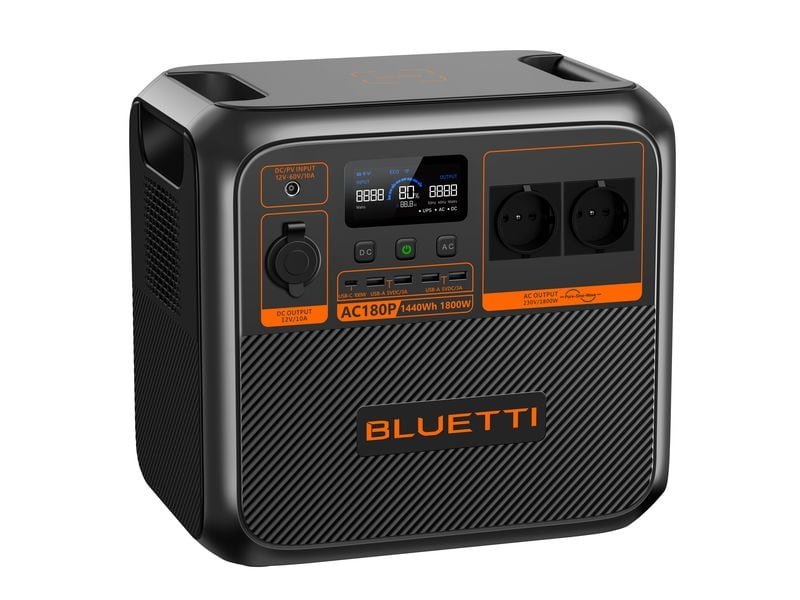
The BLUETTI AC180P hits the sweet spot between capacity and portability with a 1440Wh LiFePO4 battery and 1800W of output in a grab and go box. Power Lifting mode pushes resistive loads to 2700W, covering kettles and hair dryers. TurboBoost charging takes it from empty to 80 percent in 45 minutes.
BLUETTI AC180P remains one of the most popular portable power stations picks with buyers.
BLUETTI AC180P rounds out our portable power stations selection as a solid all round performer.
Nine outlets cover four AC sockets, a 100W USB-C port, USB-A ports, a 12V car outlet and even a 15W wireless charging pad on top. The BLUETTI app handles monitoring and firmware updates over Bluetooth. At 16kg it is a one person carry, though the wireless pad is a gimmick and solar input caps at 500W. Still, few stations give this much power per pound spent.
Key features:
- 1440Wh LiFePO4 with 3500 plus cycles
- 1800W output, 2700W Power Lifting mode
- 0 to 80 percent charge in 45 minutes
- 100W USB-C and 15W wireless pad
- Nine outlets including four AC
- Bluetooth app monitoring
Pros:
- Great capacity for the money
- Blisteringly fast AC charging
- Wide range of outlets
Cons:
- Wireless pad rarely useful
- 500W solar input limit
6. Goal Zero Yeti 1000 Core

Goal Zero practically invented the portable power station, and the Yeti 1000 Core remains a solid, no nonsense choice. Its 983Wh battery and 1200W pure sine wave inverter will run fridges, CPAP machines and microwaves with ease, and the rugged case has survived a decade of campsite abuse.
For anyone shortlisting the best portable power stations, Goal Zero Yeti 1000 Core is well worth a closer look.
For shoppers comparing the best portable power stations this year, Goal Zero Yeti 1000 Core deserves a place on the shortlist.
The port selection is generous with AC outlets, a 60W USB-C PD port, regulated 12V outputs including a high power port for fridges, and a clear LCD display. Goal Zero's US based support and chainable solar panels are genuine plus points. The NMC battery chemistry gives only around 500 cycles, and charging is slow at up to 9 hours from the included brick, but it is a dependable workhorse.
Key features:
- 983Wh capacity with 1200W AC output
- 60W USB-C PD port included
- Regulated 12V high power port
- Rugged case with carry handle
- MPPT solar charge controller
- US based customer support
Pros:
- Proven dependable design
- Good port selection
- Excellent support network
Cons:
- Short 500 cycle battery life
- Slow AC recharging
7. UGREEN PowerRoam 1200
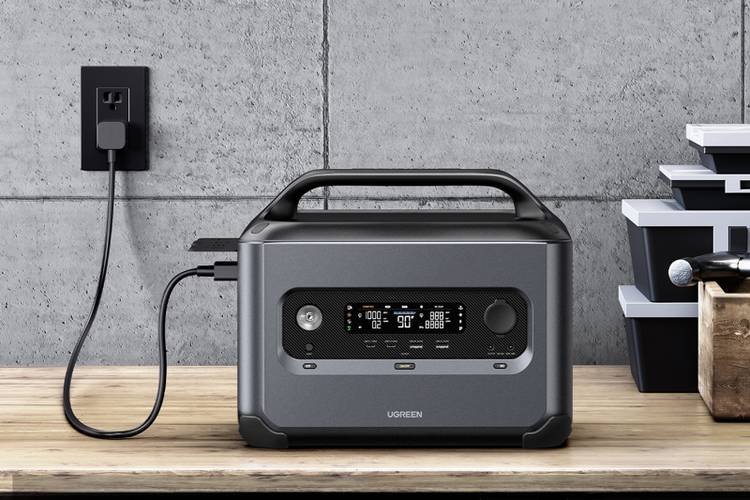
UGREEN is better known for chargers, but the PowerRoam 1200 is a serious power station that punches above its price. The 1024Wh LiFePO4 battery, built with EV rated cells, delivers 1200W of continuous output with U-Turbo boosting resistive loads to 2500W. PowerZip fast charging fills it from empty in just 1.5 hours.
UGREEN PowerRoam 1200 earns its place as a trusted portable power stations option in this roundup.
Overall, UGREEN PowerRoam 1200 stands out as a dependable portable power stations choice for everyday use.
Thirteen ports include six AC outlets, dual 100W USB-C ports and fast 22.5W USB-A ports, plus a 20ms UPS switchover that protects PCs and routers during outages. The app offers quiet mode, child lock and energy saving settings. It is a newer brand in this space with a smaller service network, and the 400W solar input lags rivals, but the value is hard to argue with.
Key features:
- 1024Wh EV rated LiFePO4 battery
- 1200W output, 2500W U-Turbo boost
- Full recharge in 1.5 hours from AC
- Dual 100W USB-C and six AC outlets
- 20ms UPS switchover mode
- Smart app with quiet and child lock modes
Pros:
- Excellent value for money
- Fast charging and big port count
- Useful UPS function
Cons:
- Smaller service network
- Modest 400W solar input
8. EcoFlow RIVER 2 Pro
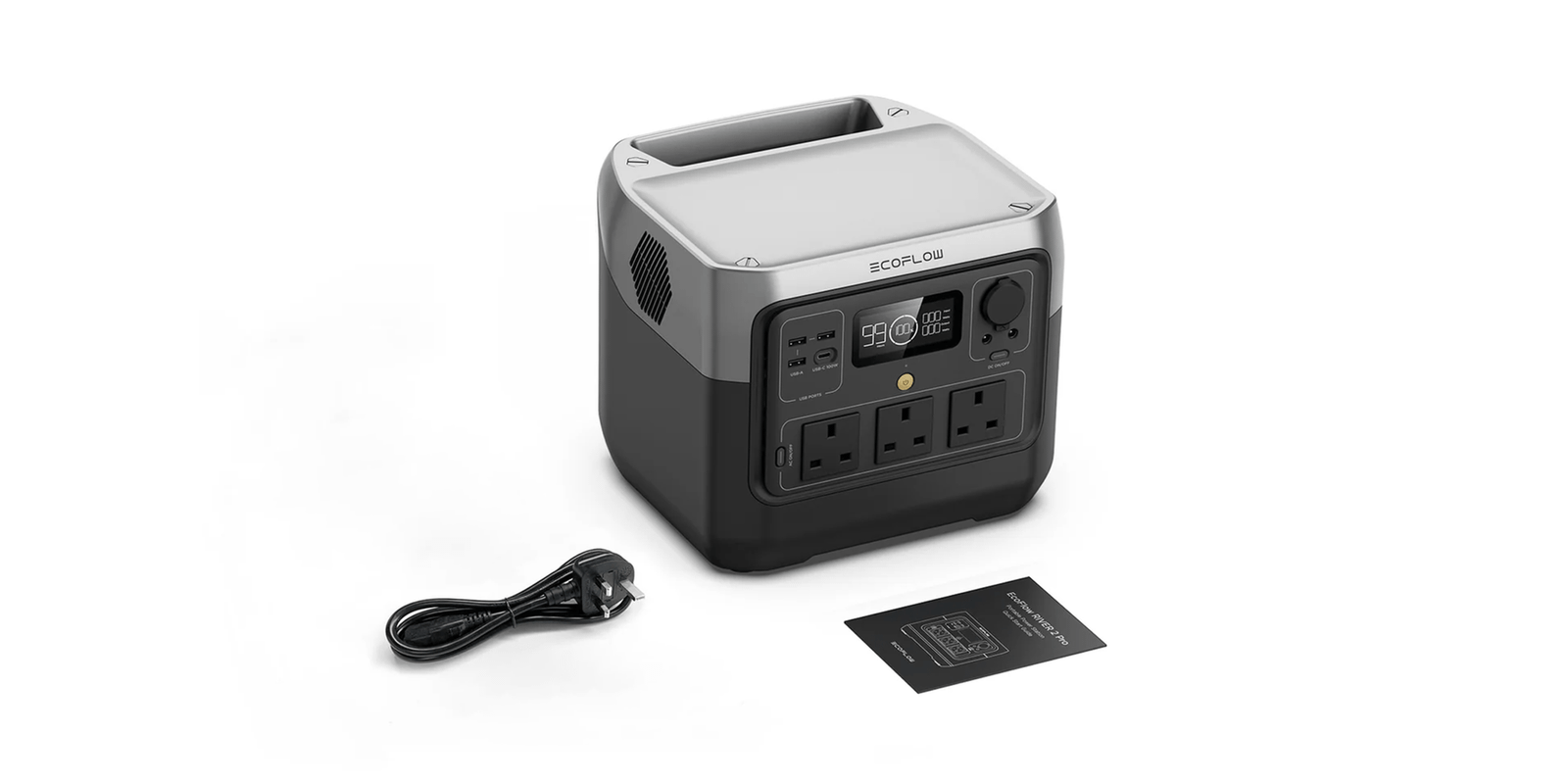
The EcoFlow RIVER 2 Pro is the goldilocks grab and go station: 768Wh of LiFePO4 storage and 800W of output in a 7.8kg box one person can carry. It runs most camping essentials and home electronics with ease, and X-Boost stretches that to 1600W for kettles and hair dryers in a pinch.
When it comes to reliable portable power stations, EcoFlow RIVER 2 Pro consistently gets high marks from owners.
If portable power stations quality is your top priority, EcoFlow RIVER 2 Pro is easy to recommend.
The headline trick is charging speed: 0 to 100 percent in 70 minutes from a wall socket, the fastest in its class. Four AC outlets, a 100W USB-C port, app control and sub 30ms EPS mode round out the package. The 220W solar input is modest and there is no capacity expansion, but for weekend trips and short outages it is close to perfect.
Key features:
- 768Wh LiFePO4, 3000 cycle life
- 800W output, 1600W X-Boost mode
- 0 to 100 percent charge in 70 minutes
- Four AC outlets and 100W USB-C
- Sub 30ms EPS backup mode
- Wi-Fi and Bluetooth app control
Pros:
- Superb fast charging
- Light and genuinely portable
- Great build quality
Cons:
- Only 220W solar input
- No expandable capacity
9. Jackery Explorer 500
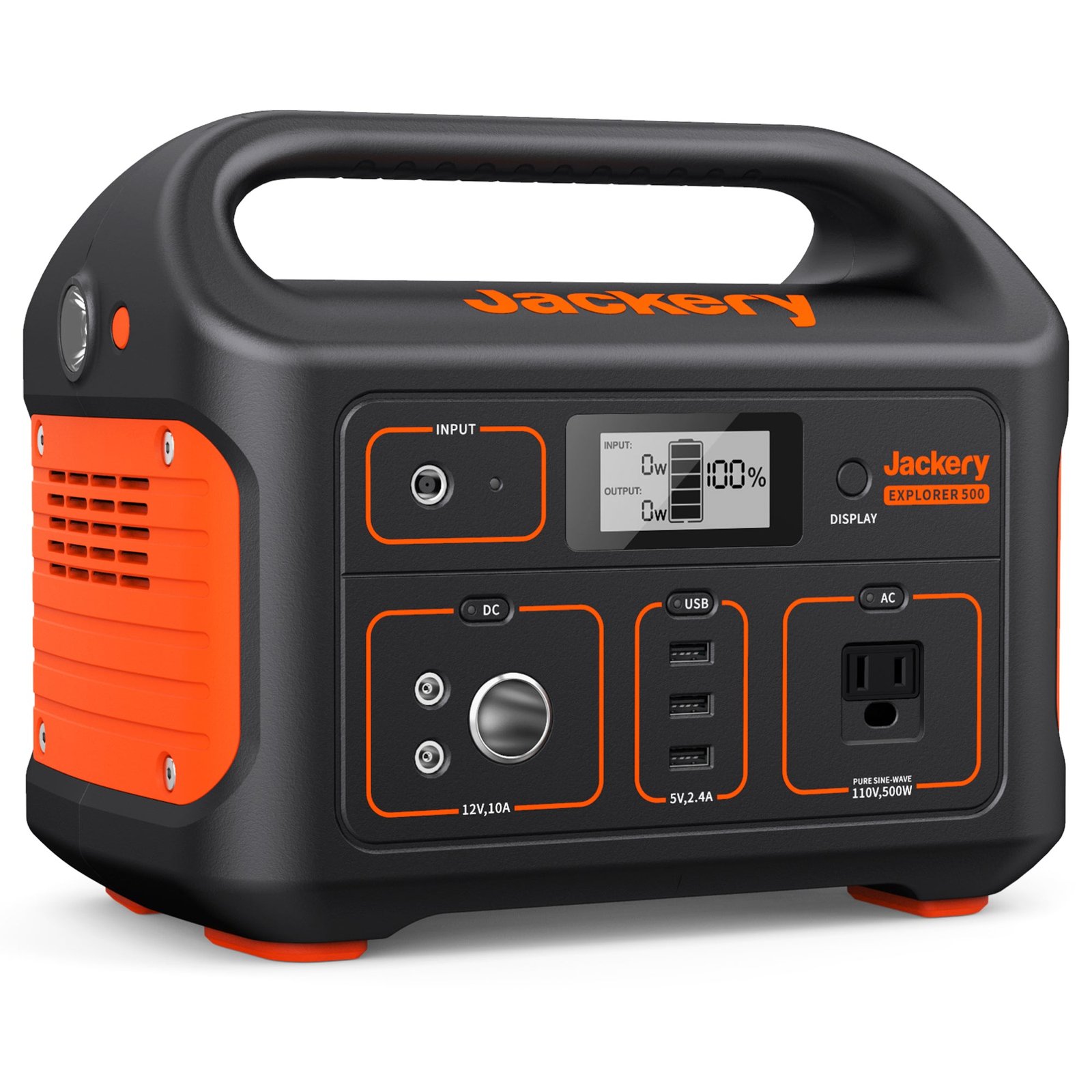
The Jackery Explorer 500 is the veteran of this list and still one of the best value weekenders you can buy. Its 518Wh battery and 500W inverter cover phones, laptops, cameras, lights and a mini fridge, in a 6kg box with a sturdy carry handle.
Buyers who want proven portable power stations performance will find a lot to like in Jackery Explorer 500.
Among this year’s portable power stations options, Jackery Explorer 500 offers a strong balance of quality and value.
One button per output zone, a clear LCD showing input and output watts, and silent running at low loads make it dead simple. It recharges from the wall in 7.5 hours or from a 100W solar panel in under 10 hours. The older NMC cells manage around 500 to 800 cycles, there is no USB-C port, and charging is slow by modern standards, but for simple reliable budget power it delivers.
Key features:
- 518Wh capacity with 500W AC output
- Lightweight 6kg carry design
- Simple one button per zone operation
- Silent fanless running at low loads
- Clear LCD input and output display
- Solar ready with MPPT controller
Pros:
- Great value for weekenders
- Dead simple to operate
- Light and easy to carry
Cons:
- No USB-C port
- Slow 7.5 hour recharge
10. EcoFlow RIVER 2
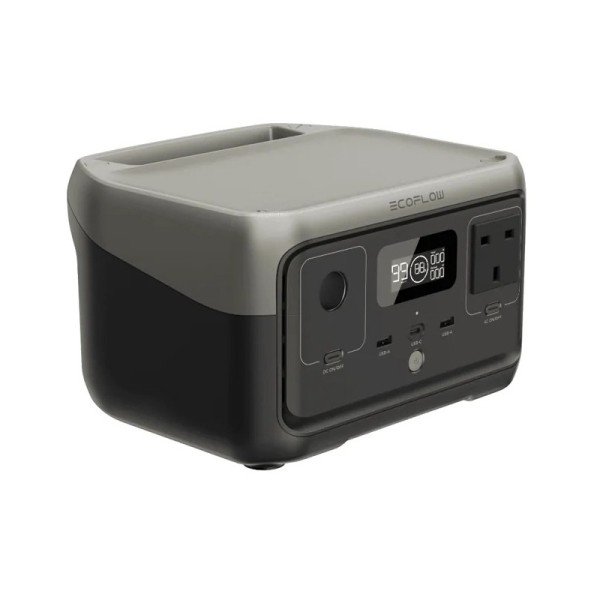
The EcoFlow RIVER 2 is the baby of the range and the easiest way into portable power. At 3.5kg with 256Wh of LiFePO4 storage and 300W of output, it slips into a daypack and keeps phones, cameras, drones and laptops topped up. X-Boost lets it briefly run 600W devices like small kettles.
EcoFlow RIVER 2 rounds out our portable power stations selection as a solid all round performer.
EcoFlow RIVER 2 remains one of the most popular portable power stations picks with buyers.
Despite its size it charges like a flagship: 0 to 100 percent in 60 minutes from the wall, and it can even trickle charge from a USB-C PD charger. The 5 year warranty and 3000 cycle battery life are unheard of at this price. Capacity is limited so it will not run a fridge for long, but as a personal power bank on steroids it is brilliant.
Key features:
- 256Wh LiFePO4, 3000 cycle life
- 300W output with 600W X-Boost
- Full recharge in 60 minutes from AC
- Only 3.5kg, genuinely backpackable
- 60W USB-C input and output
- 5 year warranty included
Pros:
- Incredibly light and compact
- Class leading charge speed
- Long warranty and battery life
Cons:
- Small 256Wh capacity
- Limited to light duty devices
Buying Guide: How to Choose the Best Portable Power Stations
Capacity in watt hours decides runtime
Capacity tells you how much energy the station stores. A 256Wh unit like the RIVER 2 suits phones and laptops, while a 1000Wh station runs a fridge for most of a day. Add up the wattage of what you plan to power and how long you need it to run.
Inverter output must exceed your biggest device
Check the continuous wattage rating against your hungriest appliance. A 300W station will not start a 1000W kettle. Look at surge ratings too, since motors and compressors draw extra power when they start.
Battery chemistry affects lifespan
Lithium iron phosphate cells now dominate for good reason, lasting 3000 cycles or more. Older lithium ion NMC packs give around 500 cycles, so they age faster with daily use.
Charging speed matters more than you think
Fast AC charging turns a power station from a chore into a convenience. The best here refill in around an hour, while older designs can take most of a day.
Solar input unlocks true off grid use
If you camp away from mains, check the maximum solar input in watts and whether the station has a built in MPPT controller. Bigger solar input means shorter recharge times in the sun.
Count the ports you will actually use
Make sure there are enough AC outlets, USB-C Power Delivery ports and 12V outputs for your gear. A 100W USB-C port charges modern laptops far faster than a basic USB-A socket.
Weight and size decide where it goes
A 3.5kg station lives in a backpack while a 30kg unit stays in the van or garage. Be honest about how often you will carry it before choosing a big capacity box.
Keep researching the best portable power stations with our related guides to the best camping tents and best sleeping bags. For useful background on portable power stations, the Camping on Wikipedia article is worth a read.
Frequently Asked Questions
What size power station do I need for camping? For more detail on portable power stations, see the buying guide above.
For phones, lights and a laptop, 250 to 500Wh is plenty for a weekend away. Add a portable fridge and you will want 750 to 1000Wh to keep food cold around the clock. For running high wattage cooking gear such as kettles and induction hobs, look at 1500Wh and above with a 2000W inverter, and consider solar panels to top up off grid. For more detail on portable power stations, see the buying guide above.
Can a power station run a fridge?
Yes, most stations from 500Wh up will run an efficient 12V compressor fridge for many hours, often a full day or more. Check the average wattage drawn by your fridge, then divide the usable capacity of the station by that figure for a rough runtime estimate. Larger stations of 1000Wh and above can manage multi day trips, especially when paired with a solar panel.
How long do portable power stations last?
LiFePO4 models typically last 3000 charge cycles, which works out at around ten years of regular weekend use before capacity drops noticeably. Older lithium ion models manage about 500 cycles, so they age much faster with daily cycling. The electronics and inverter usually outlast the battery cells, and a long warranty is a good sign of build quality.
Are portable power stations safe indoors?
Yes. Unlike petrol generators they produce no fumes and run almost silently, so they are safe to use inside tents, vans and homes, including during power cuts. Keep the vents clear and do not cover the station while it is charging, as it needs airflow to stay cool. They are also safe around children and pets, with no hot exhaust or flammable fuel.
Can I take a power station on a plane?
Generally no. Airlines limit spare lithium batteries to 100Wh in carry on luggage, far below even the smallest station here, and larger batteries are banned from both cabin and hold. Check with your carrier before you fly, as rules vary slightly between airlines. Power stations travel by car, van or ground freight only, so plan road transport for trips abroad.
Conclusion
The best of these portable power stations is the one that matches your trips. The Jackery Explorer 1000 Pro remains the all round champion for campers who want proven reliability, while the EcoFlow DELTA 2 and DJI Power 1000 push output and charging speed further for demanding users. At the compact end, the EcoFlow RIVER 2 and RIVER 2 Pro prove that small stations can still be brilliant.
Whichever you choose, buy on capacity and inverter power rather than brand hype, and favour LiFePO4 chemistry for a station that will still be going strong in a decade. With one of these ten in the van or the garage, blackouts and off grid weekends stop being a problem and start being an adventure.
In short, the best portable power stations is the one that fits your needs and budget. Use the reviews above to compare the leading portable power stations options side by side, then pick the portable power stations that you will enjoy using for years to come.
