

10 Best Guitar Amps – Valve and Modelling Power
Your guitar is only half the story. The amplifier shapes your tone more than any other single piece of gear, turning string vibrations into everything from sparkling cleans to crushing distortion. Whether you practise in a bedroom, rehearse with a band or play packed venues, the right amp makes playing more inspiring and more fun. This guitar amps guide brings together everything you need to choose with confidence.
We have rounded up the ten best guitar amps you can buy right now, from clever modelling combos to glorious all valve classics. Every pick has been judged on tone, features, build quality and value for money, covering bedroom practice, home recording and full stage use.
From the unbeatable versatility of the Boss Katana-50 MkII to the timeless valve warmth of the Fender Blues Junior and Vox AC15, this guide explains the strengths and trade offs of each amp in plain language. Read on to find the amplifier that will make your guitar sing today.
1. Boss Katana-50 MkII

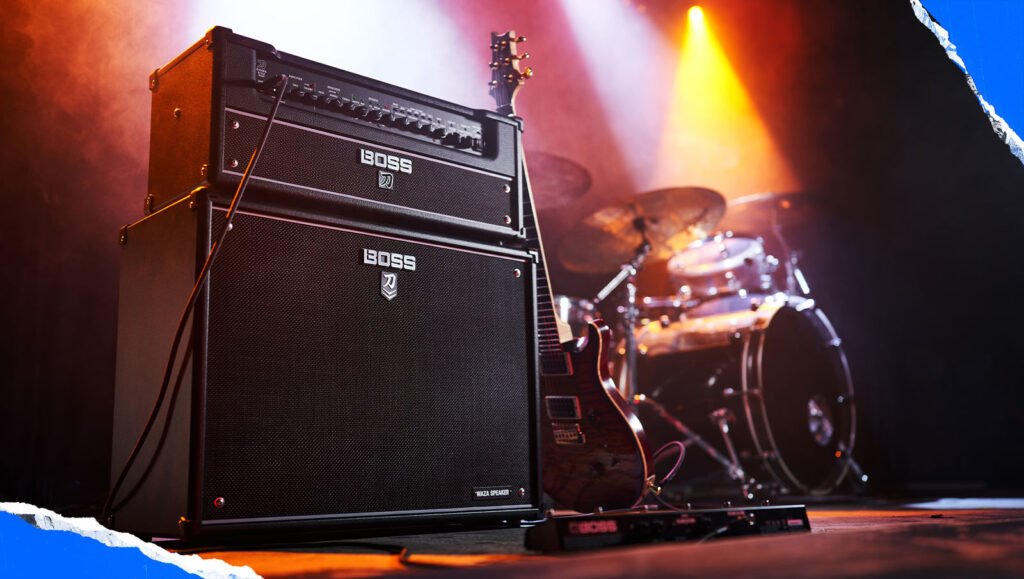
The Boss Katana-50 MkII is the best selling guitar amp in the world for good reason. This 50 watt combo delivers five distinct amp characters, each with a variation, plus five independent effects sections covering boost, modulation, delay, reverb and more. It sounds fantastic at any volume thanks to the power control, which scales output down for bedroom practice.
For shoppers comparing the best guitar amps this year, Boss Katana-50 MkII deserves a place on the shortlist.
For anyone shortlisting the best guitar amps, Boss Katana-50 MkII is well worth a closer look.
What sets the Katana apart is how gig ready it feels. The 12 inch custom speaker pushes serious air, the clean channel takes pedals beautifully, and the high gain voices genuinely roar. USB connectivity turns it into a recording interface, while the Boss Tone Studio software unlocks deep editing and a huge library of artist patches. For one amp that does everything well, nothing else comes close at this price.
Key features:
- 50 watts through a custom 12 inch speaker
- Five amp characters, each with a variation
- Five independent effects sections built in
- Power scaling for bedroom to stage volumes
- USB output for direct recording
- Boss Tone Studio software with artist patches
Pros:
- Enormous versatility for the money
- Sounds great at any volume
- Excellent as a pedal platform and recorder
Cons:
- Menu diving needed for deep editing
- No footswitch included
- Heavier than smaller practice amps
2. Fender Blues Junior IV
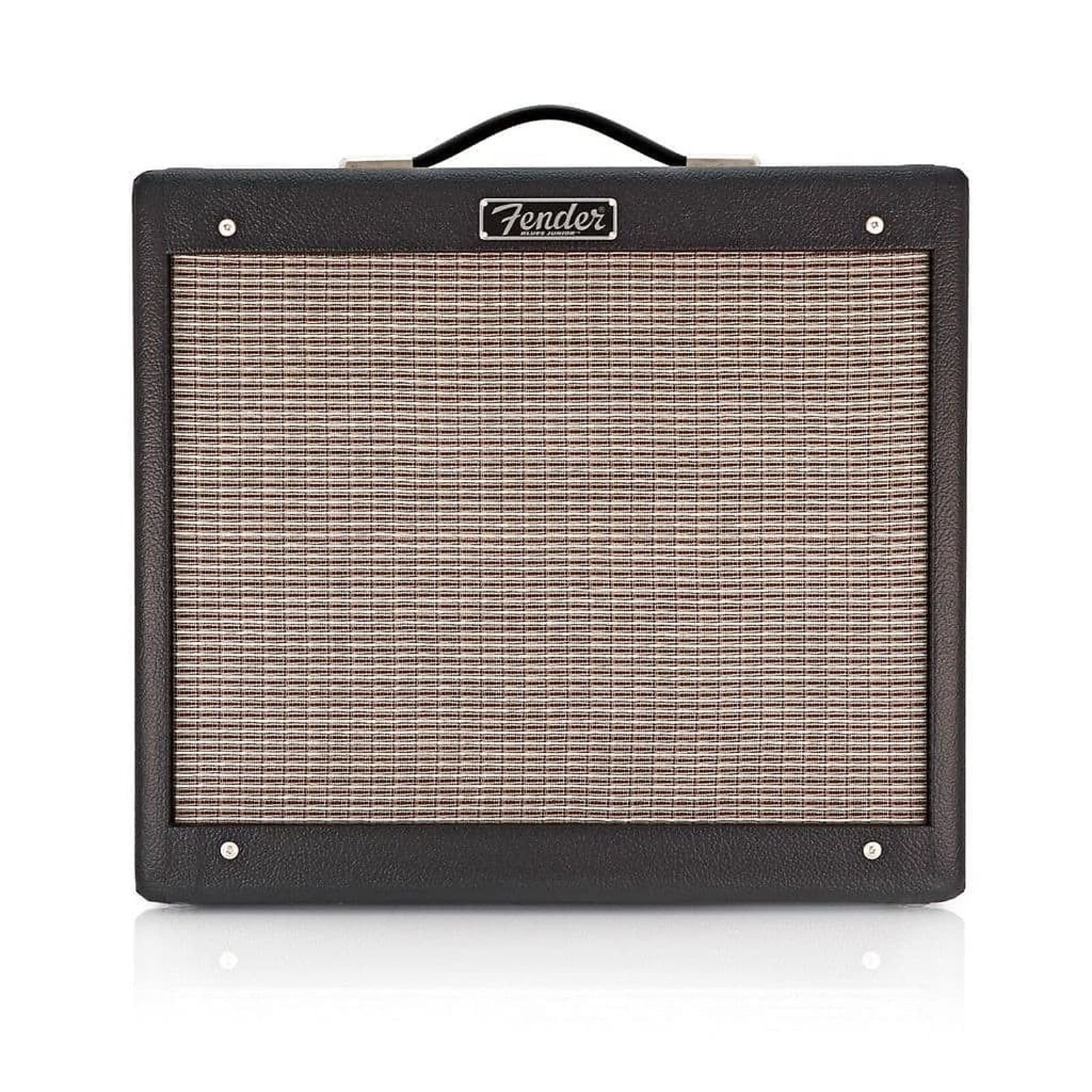
The Fender Blues Junior IV is the definitive small valve amp. Fifteen watts of all tube tone through a 12 inch Celestion A-Type speaker give you sparkling Fender cleans and creamy, touch sensitive overdrive that responds to every nuance of your playing. Three 12AX7 preamp valves and two EL84 power valves deliver that classic American midrange character.
Overall, Fender Blues Junior IV stands out as a dependable guitar amps choice for everyday use.
Fender Blues Junior IV earns its place as a trusted guitar amps option in this roundup.
This is the amp you buy when you are done with digital approximations. It takes pedals superbly, the spring reverb adds gorgeous depth, and at 15 watts it is loud enough to gig with a drummer while still being manageable at home. The lacquered tweed style looks have made it a stage staple for decades. Simple, soulful and endlessly musical, the Blues Junior remains the benchmark for grab and go valve tone.
Key features:
- 15 watts of genuine all valve power
- 12 inch Celestion A-Type speaker
- Three 12AX7 and two EL84 valves
- Footswitchable spring reverb
- Fat switch for extra midrange punch
- Classic Fender lacquered tweed styling
Pros:
- Beautiful, touch sensitive valve tone
- Takes pedals superbly
- Loud enough to gig, light enough to carry
Cons:
- Single channel limits footswitchable versatility
- 15 watts is still loud for late night practice
- Valves need periodic replacement
3. Marshall DSL40CR

The Marshall DSL40CR is the sound of rock in a combo. With switchable 40 and 20 watt operation, two footswitchable channels and that unmistakable Marshall roar, it covers everything from glassy cleans to full throttle high gain. The 12 inch Celestion V-Type speaker delivers the punch and projection Marshalls are famous for.
If guitar amps quality is your top priority, Marshall DSL40CR is easy to recommend.
When it comes to reliable guitar amps, Marshall DSL40CR consistently gets high marks from owners.
Each channel splits into two modes, effectively giving you four amps in one box. The Classic Gain channel does sparkling clean and crunchy overdrive, while Ultra Gain goes from 80s rock to modern metal with ease. Studio quality reverb, an effects loop and MIDI switching make it genuinely stage ready. If you want real Marshall tone without a full stack, this is the sweet spot.
Key features:
- Switchable 40 watt and 20 watt valve power
- Two channels, each with two modes
- 12 inch Celestion V-Type speaker
- Studio quality digital reverb
- Series effects loop
- MIDI switching capability
Pros:
- Authentic Marshall roar at sensible volumes
- Four usable voices in one amp
- Proper stage ready features
Cons:
- Still heavy for a combo
- Shared EQ across channels
- High gain modes can be noisy
4. Fender Mustang LT25

The Fender Mustang LT25 is the perfect first amp. This compact 25 watt modelling combo packs 20 amp models and 25 effects into a simple, intuitive package with a clear display that makes tweaking fun rather than intimidating. Fifty presets cover everything from pristine Fender cleans to heavy modern distortion.
Among this year’s guitar amps options, Fender Mustang LT25 offers a strong balance of quality and value.
Buyers who want proven guitar amps performance will find a lot to like in Fender Mustang LT25.
Beginners love how quickly it sounds good. The amp models are genuinely inspiring, the built in effects remove the need for pedals, and the headphone output allows silent practice. USB connectivity makes recording to a computer effortless, and the aux input lets you jam along with backing tracks. Light, affordable and packed with sounds, the LT25 removes every excuse not to practise.
Key features:
- 25 watts through an 8 inch speaker
- 20 amp models and 25 built in effects
- 50 factory presets, easy to customise
- Clear display for simple editing
- Headphone output for silent practice
- USB connectivity for recording
Pros:
- Huge range of inspiring sounds
- Very easy for beginners to use
- Great value, light and portable
Cons:
- 8 inch speaker limits low end depth
- Not loud enough for band rehearsal
- Plastic feeling knobs
5. Vox AC15C1
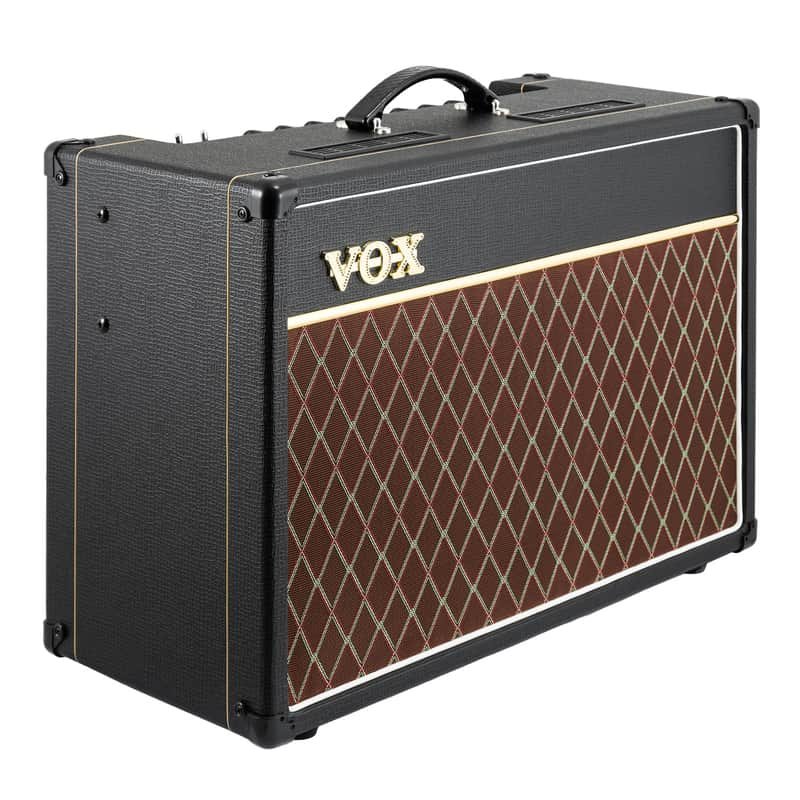
The Vox AC15C1 is British valve tone at its chiming best. Fifteen watts through a 12 inch Celestion Greenback deliver the jangly, sparkling voice that powered the Beatles, the Rolling Stones and countless indie bands. The Top Boost channel’s treble and bass controls let you dial in everything from glassy cleans to gritty, harmonically rich overdrive.
Vox AC15C1 remains one of the most popular guitar amps picks with buyers.
Vox AC15C1 rounds out our guitar amps selection as a solid all round performer.
There is nothing quite like an AC15 pushed hard. The Normal channel offers warm, fat cleans, while the Top Boost channel adds that famous cutting brilliance. Built in spring reverb and tremolo add vintage character without pedals, and the amp responds beautifully to your guitar’s volume knob. It is heavier than it looks and loud for its rating, but for timeless British tone, few amps inspire like this one.
Key features:
- 15 watts of all valve British tone
- 12 inch Celestion Greenback speaker
- Normal and Top Boost channels
- Built in spring reverb and tremolo
- Classic Vox diamond grille styling
- Highly responsive to playing dynamics
Pros:
- Iconic chiming tone, full of character
- Beautiful natural overdrive when pushed
- Vintage looks and quality reverb and tremolo
Cons:
- Heavy for a 15 watt combo
- No effects loop
- Gets very loud before it overdrives
6. Orange Crush 20RT
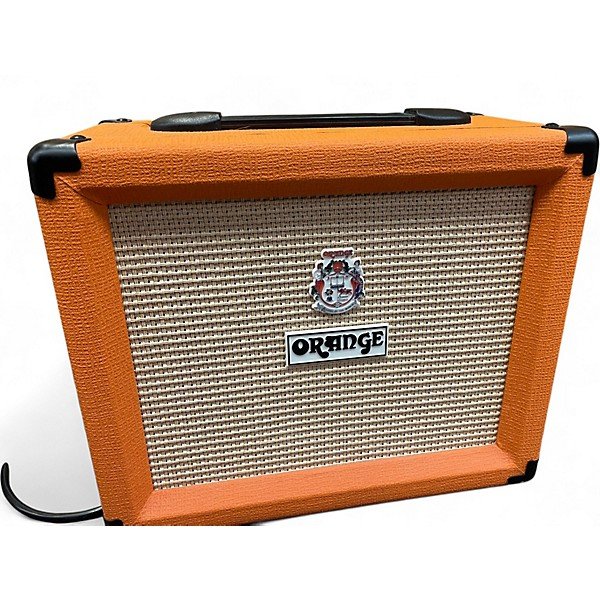
The Orange Crush 20RT packs huge attitude into a tiny box. This 20 watt solid state combo delivers the thick, fuzzy Orange voice through an 8 inch Voice of the World speaker, with two channels covering sparkling cleans and filthy high gain. The built in reverb and chromatic tuner make it a complete practice solution.
For anyone shortlisting the best guitar amps, Orange Crush 20RT is well worth a closer look.
For shoppers comparing the best guitar amps this year, Orange Crush 20RT deserves a place on the shortlist.
Orange’s analogue circuitry gives the Crush series a warmth and feel that most solid state amps lack. The dirty channel has that unmistakable British crunch, while the CabSim loaded headphone output emulates a 4×12 cabinet for convincing silent practice. It looks fantastic in the classic Orange livery and is built like a tank. For rock players on a budget, it is enormous fun.
Key features:
- 20 watts of analogue solid state power
- Two channels, clean and dirty
- 8 inch Voice of the World speaker
- Built in reverb and chromatic tuner
- CabSim headphone output for silent practice
- Classic Orange styling and tough build
Pros:
- Huge, characterful Orange tone
- Great high gain sounds for the price
- Tuner and CabSim add real practicality
Cons:
- 8 inch speaker lacks deep bass
- Clean headroom is limited
- No effects loop
7. Blackstar HT-5R MkII

The Blackstar HT-5R MkII proves that five watts can be plenty. This all valve combo drops to a whisper quiet 0.5 watts for home use, yet still delivers genuine tube overdrive and feel. Two channels with two voices each cover American cleans and British crunch, all shaped by Blackstar’s patented ISF control.
Blackstar HT-5R MkII earns its place as a trusted guitar amps option in this roundup.
Overall, Blackstar HT-5R MkII stands out as a dependable guitar amps choice for everyday use.
It is a remarkably complete package. The 12 inch speaker gives it a bigger voice than most small amps, the emulated USB output and XLR DI make recording effortless, and the digital reverb adds welcome depth. The power reduction means you can push the valves into sweet saturation at neighbour friendly volumes, something bigger amps simply cannot do. For real valve tone at home, this is the smartest choice.
Key features:
- 5 watts of all valve power, reducible to 0.5 watts
- Two channels with two voices each
- Patented ISF tone shaping control
- 12 inch custom speaker
- USB and XLR DI outputs for recording
- Built in digital reverb
Pros:
- Genuine valve overdrive at low volumes
- Excellent recording connectivity
- Very versatile across styles
Cons:
- Too quiet for unmiked gigs with a loud drummer
- Digital reverb rather than spring
- Single 12 inch combo is still fairly weighty
8. Marshall MG30GFX

The Marshall MG30GFX is the classic first proper amp for rock kids. Thirty watts through a 10 inch speaker give you enough volume for bedroom practice and small rehearsals, while four storable channels span clean, crunch and two overdrive voices. Built in effects including reverb, chorus, phaser, flanger and delay mean you may never need a pedal.
When it comes to reliable guitar amps, Marshall MG30GFX consistently gets high marks from owners.
If guitar amps quality is your top priority, Marshall MG30GFX is easy to recommend.
It looks and feels like a proper Marshall, with the iconic gold panel and script logo, which matters more than adults admit. The solid state design means it sounds consistent at any volume and needs no valve maintenance. The tuner, headphone output and line in for backing tracks make it a complete practice station. For young rockers who want the Marshall look and roar, it delivers.
Key features:
- 30 watts through a 10 inch speaker
- Four storable channels
- Built in reverb, chorus, phaser, flanger and delay
- Iconic Marshall gold panel styling
- Headphone output and line in
- Solid state reliability, no valves to maintain
Pros:
- Real Marshall attitude at a low price
- Plenty of built in effects
- Loud enough for rehearsals
Cons:
- Solid state tone lacks valve warmth
- Effects are good rather than great
- Footswitch sold separately
9. Fender Champion 100

The Fender Champion 100 is maximum amp for minimum money. One hundred watts through two 12 inch speakers deliver serious stage volume, with two channels covering classic Fender cleans and a range of overdriven amp voices. Built in effects including reverb, delay, chorus and vibratone add colour without pedals.
Buyers who want proven guitar amps performance will find a lot to like in Fender Champion 100.
Among this year’s guitar amps options, Fender Champion 100 offers a strong balance of quality and value.
This is the gigging musician’s bargain. The clean channel is pure Fender, sparkling and pedal friendly, while the second channel’s amp voices span British crunch to modern metal. An effects loop integrates your pedalboard properly, and the two button footswitch makes channel and effect switching easy on stage. It is big, loud and unashamedly simple, everything a working amp should be.
Key features:
- 100 watts through two 12 inch speakers
- Two channels with multiple amp voices
- Built in effects including reverb and delay
- Series effects loop
- Two button footswitch included
- Classic Fender blackface styling
Pros:
- Huge volume and clean headroom for the price
- Sparkling Fender cleans with pedal friendly voicing
- Proper gigging features including effects loop
Cons:
- Very loud, overkill for home use
- Large and heavy to transport
- Overdrive voices cannot match real valves
10. Line 6 Spider V 60 MkII
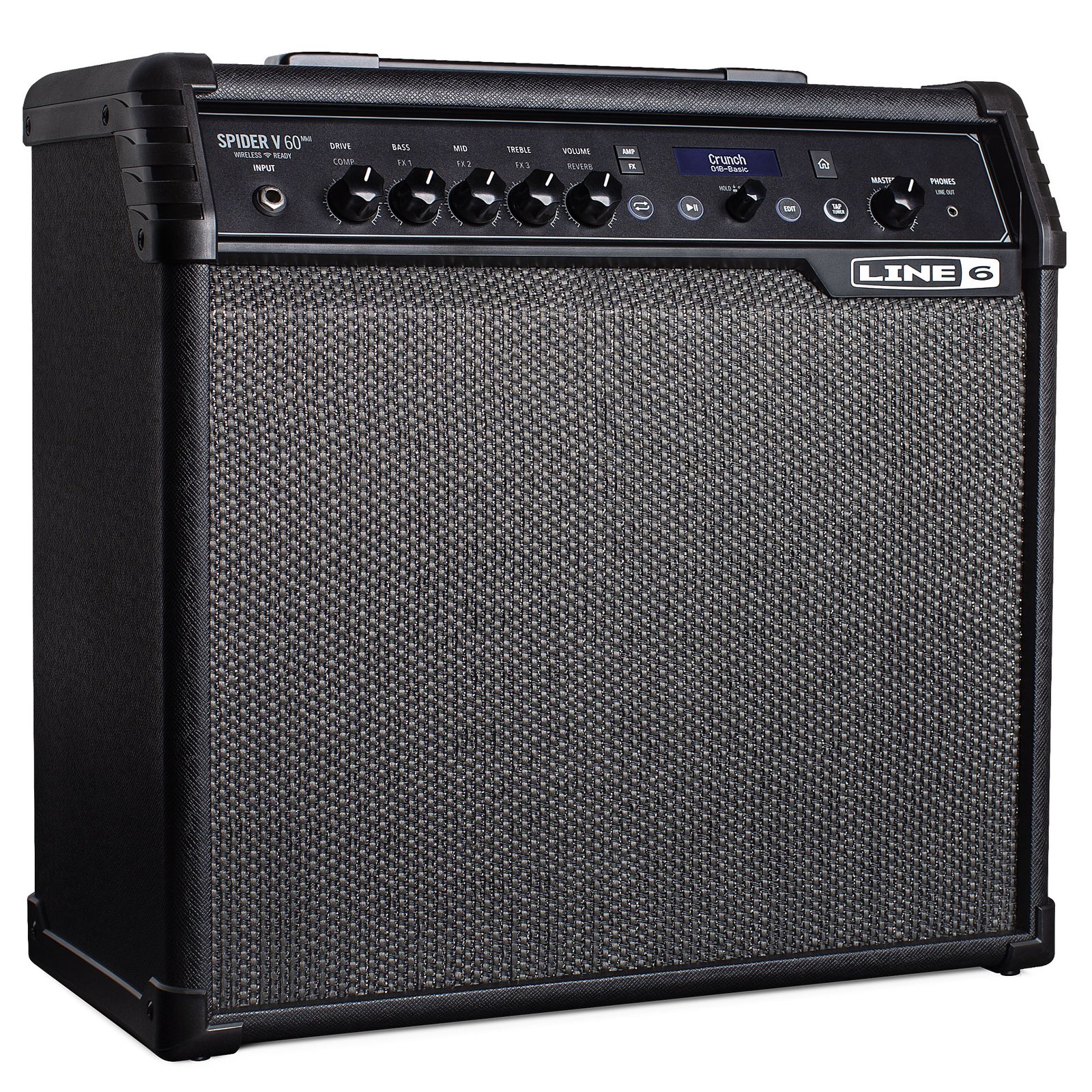
The Line 6 Spider V 60 MkII is the tweaker’s dream. With over 200 amps, cabinets and effects, 128 presets and a full colour display, it offers more sonic possibilities than any other amp on this list. Sixty watts through a 10 inch speaker and tweeter give it full range clarity that suits acoustic and electric guitars alike.
Line 6 Spider V 60 MkII rounds out our guitar amps selection as a solid all round performer.
Line 6 Spider V 60 MkII remains one of the most popular guitar amps picks with buyers.
The MkII update refined the sounds and simplified the interface, making it far easier to dial in great tones quickly. Built in looper, metronome and drum loops make practice genuinely fun, while USB recording and wireless readiness add modern convenience. It is not trying to be a vintage valve amp, it is a digital playground for players who want every sound imaginable in one affordable box.
Key features:
- 60 watts through a 10 inch speaker and tweeter
- Over 200 amps, cabs and effects
- 128 presets with full colour display
- Built in looper, metronome and drum loops
- USB recording output
- Wireless receiver ready
Pros:
- Unmatched variety of sounds
- Great practice tools built in
- Full range speaker suits many instruments
Cons:
- Menu heavy compared with simple amps
- High gain models can sound fizzy
- Plastic cabinet feels less premium
Buying Guide: How to Choose the Best Guitar Amps
Valve, solid state or modelling is the fundamental choice. Valve amps like the Blues Junior, AC15, DSL40CR and HT-5R offer organic, touch sensitive tone that many players consider the gold standard, but they are heavy, loud and need maintenance. Solid state amps like the Orange Crush and Marshall MG are reliable and affordable. Modelling amps like the Katana, Mustang LT25 and Spider V recreate many amps in one box with huge versatility.
Match the wattage to your reality. Five to twenty watts is plenty for home practice, especially with power scaling like the Katana and HT-5R offer. Twenty to forty watts covers rehearsals and small gigs, while the 100 watt Champion 100 is built for proper stage volume. Remember that valve watts sound much louder than solid state watts.
Think about the speaker. Larger speakers move more air and produce deeper bass. A 12 inch speaker like those in the Katana, Blues Junior and DSL40CR sounds fuller than the 8 inch speakers in the Mustang LT25 and Crush 20RT. Two speaker combos like the Champion 100 spread sound wider on stage.
Effects and extras add real value. Built in reverb is almost essential, and tuners, headphone outputs and USB recording make practice and home recording far easier. If you use pedals, check for an effects loop, which the DSL40CR and Champion 100 both provide.
Try before you buy if you can. Amplifier tone is deeply personal, and the amp that inspires your favourite player may not inspire you. Play your own guitar through any shortlisted amp, at the volume you will actually use, and trust your ears over specifications.
Keep researching the best guitar amps with our related guides to the best acoustic guitars and best electric guitars. For useful background on guitar amps, the Musical instrument on Wikipedia article is worth a read.
In a hurry? Here is the bottom line on guitar amps: choose a proven guitar amps brand, match the guitar amps to your needs, and do not overpay for guitar amps features you will never use. Every guitar amps pick above clears that bar.
Frequently Asked Questions
How many watts do I need for home practice? For more detail on guitar amps, see the buying guide above.
Between 5 and 20 watts is ideal for home use. Modern amps with power scaling, like the Boss Katana-50 MkII and Blackstar HT-5R MkII, sound great at whisper volumes while still having enough power for occasional louder playing, and a small modelling amp is often the most flexible choice. For more detail on guitar amps, see the buying guide above.
Are valve amps worth the extra money?
For many players, yes. Valve amps respond to your playing dynamics in a way that feels alive, and they produce overdrive that is harmonically rich and musical. However, modern modelling amps sound excellent and offer far more versatility for less money, so they are often the smarter first purchase.
Can I gig with a modelling amp?
Absolutely. The Boss Katana-50 MkII and Marshall DSL40CR are gigged regularly, and the Fender Champion 100 has enough clean headroom for most venues. Make sure the amp has enough volume for your drummer and, ideally, a DI or line output for the PA.
Do I need pedals if my amp has built in effects?
Not necessarily. Amps like the Katana-50 MkII, Mustang LT25 and Spider V 60 MkII include quality effects that cover most needs. Pedals become worthwhile when you want specific sounds, easier on stage control, or to shape a simple amp like the Blues Junior.
What is an effects loop and do I need one?
An effects loop lets you place time based effects like delay and reverb after the amp’s overdrive section, which sounds cleaner and more natural. It matters most if you use the amp’s own distortion with lots of effects, and both the Marshall DSL40CR and Fender Champion 100 include one.
Conclusion
Choosing between the ten best guitar amps on this list depends on where you play and the tones you love. For unbeatable all round versatility, the Boss Katana-50 MkII remains the amp to beat, sounding great at any volume with endless sounds on tap. Beginners will love the simple, inspiring Fender Mustang LT25, while the Line 6 Spider V 60 MkII offers the most sounds per pound.
If your heart wants glowing valves, the Fender Blues Junior IV and Vox AC15C1 deliver timeless tone in portable packages, the Marshall DSL40CR brings real rock thunder, and the Blackstar HT-5R MkII gives you genuine tube overdrive at home friendly volumes. The Orange Crush 20RT and Marshall MG30GFX are brilliant affordable practice amps, and the Fender Champion 100 is the working musician’s bargain.
Whichever you choose, every amp on this list will make you want to play more. Plug in, dial up your sound, and enjoy it.
In short, the best guitar amps is the one that fits your needs and budget. Use the reviews above to compare the leading guitar amps options side by side, then pick the guitar amps that you will enjoy using for years to come.

2 thoughts on “10 Best Guitar Amps – Valve and Modelling Power”