

10 Best Harmonicas – Top Picks for Blues 2026
Few instruments are as portable, affordable and instantly soulful as the harmonica. The best harmonicas deliver rich tone, responsive reeds and comfortable playability in a package that fits in your pocket. Whether you want to wail the blues, add colour to folk songs or explore jazz and classical melodies, there is a harmonica on this list to match your ambition. This harmonicas guide brings together everything you need to choose with confidence.
Choosing your first harmonica, or your tenth, is all about matching the instrument to your style. Diatonic harmonicas in the key of C are the classic starting point for blues and folk, with bending techniques unlocking those signature expressive notes. Chromatic models add a slide button for full chromatic playing, opening the door to jazz and classical repertoire.
We have rounded up the ten best harmonicas you can buy right now, from legendary blues harps to precision engineered chromatics. Every pick has been judged on tone, reed response, build quality, comfort and overall value for money. Read on to find the perfect harp for your music.
1. Hohner Marine Band 1896
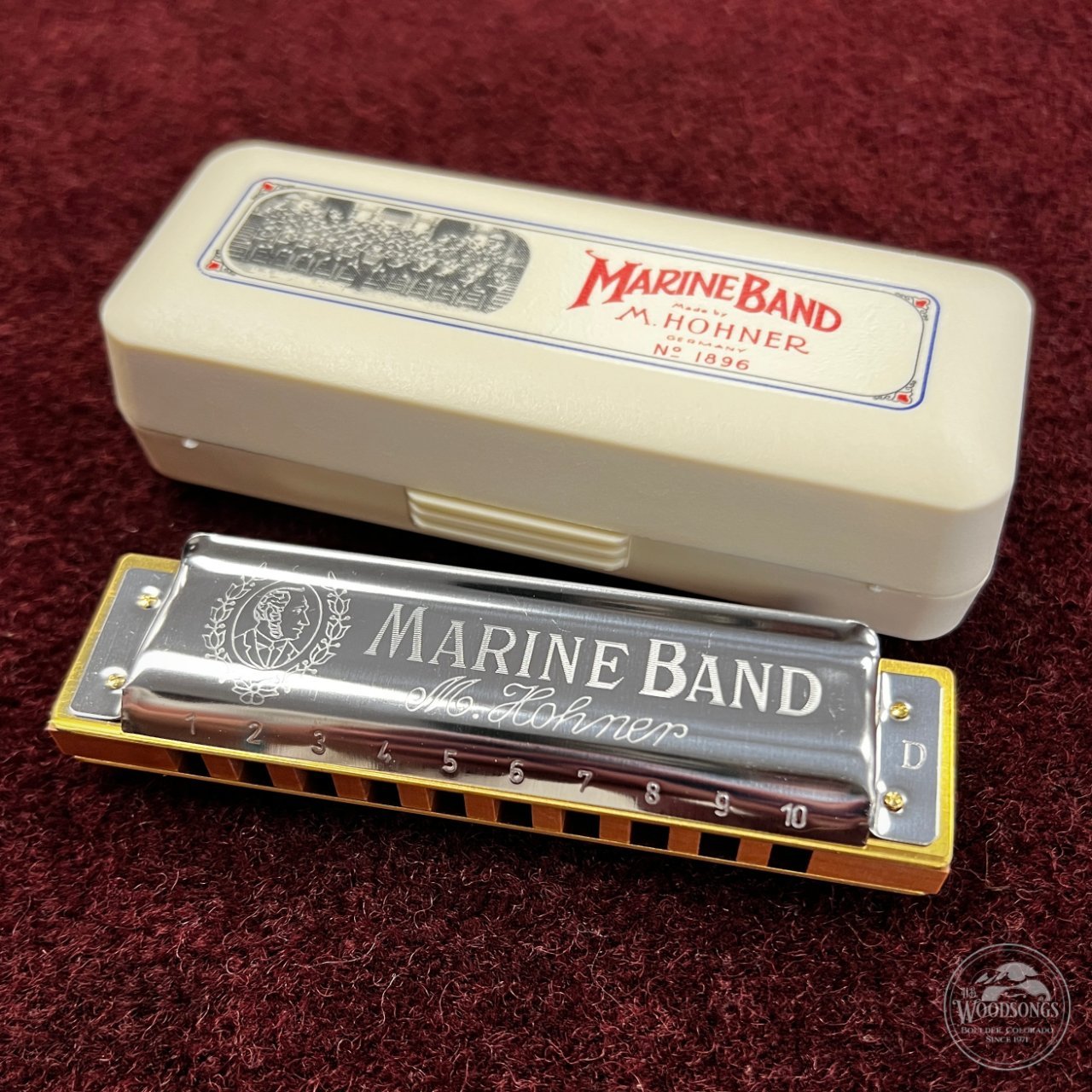
The Hohner Marine Band 1896 is the harmonica that started it all. Played by legends from Little Walter to Bob Dylan, this is the definitive blues harp, with a pearwood comb and brass reeds that produce a warm, woody tone no other harmonica quite matches. It has been made to essentially the same design since 1896.
For shoppers comparing the best harmonicas this year, Hohner Marine Band 1896 deserves a place on the shortlist.
For anyone shortlisting the best harmonicas, Hohner Marine Band 1896 is well worth a closer look.
The Marine Band rewards proper technique with incredible expressiveness: bends, overblows and tongue blocking all feel natural on its responsive reeds. The wood comb swells slightly with moisture, creating an airtight seal that many players love. For authentic blues tone and a direct link to harmonica history, nothing beats the original.
Key features:
- The original blues harmonica, made since 1896
- Pearwood comb for warm, traditional tone
- Brass reeds with excellent bend response
- Classic design played by countless legends
- Available in all major keys
- Ideal for blues, folk and rock
Pros:
- Unmistakable authentic blues tone
- Superb reed responsiveness for bending
- A piece of music history
Cons:
- Wood comb needs care to avoid swelling
- Nails rather than screws make maintenance fiddly
2. Hohner Special 20
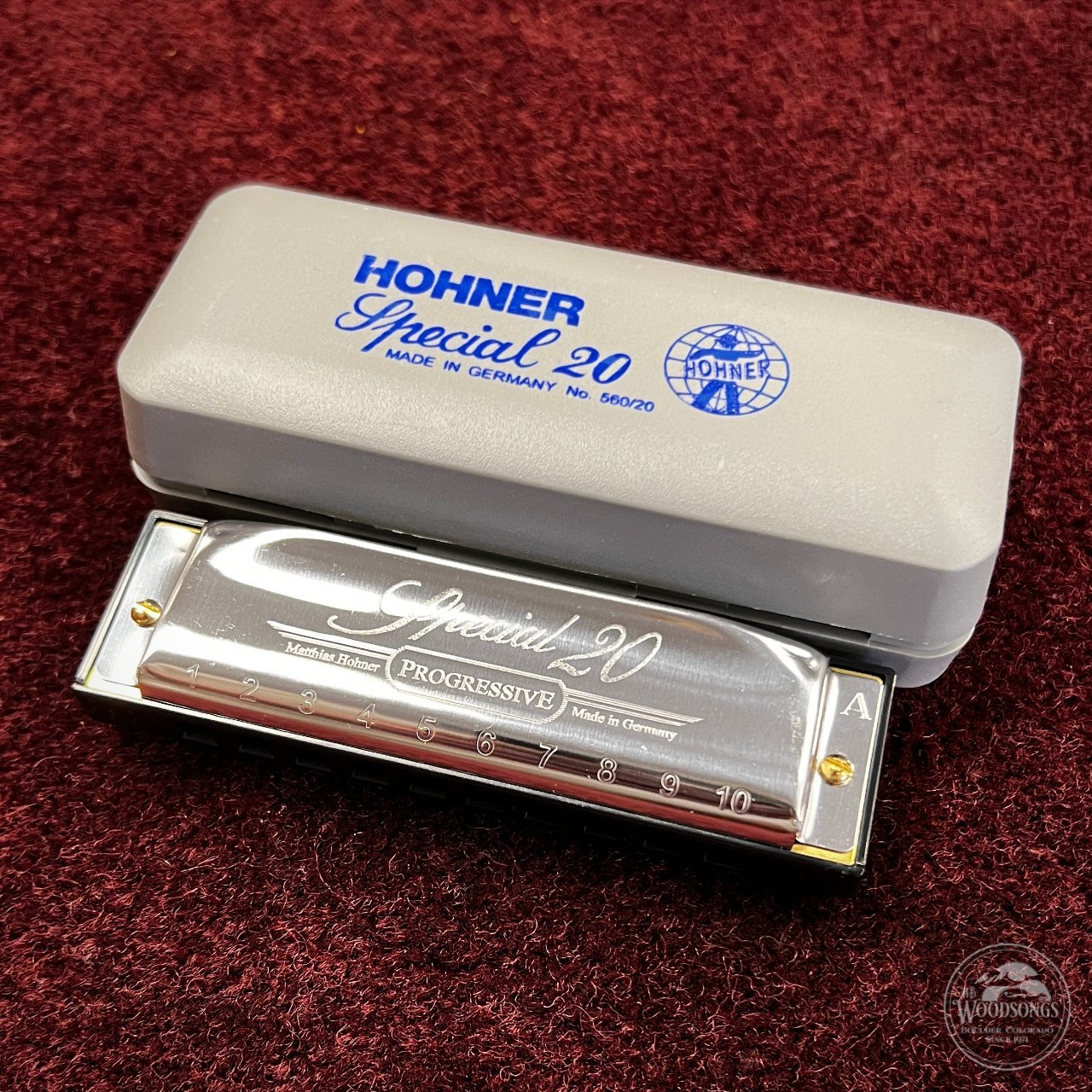
The Hohner Special 20 is the world’s most recommended beginner harmonica, and for good reason. Its plastic comb will not swell or crack, the airtight construction makes bending easy, and the smooth rounded covers are comfortable on the lips. It plays beautifully straight out of the box.
Overall, Hohner Special 20 stands out as a dependable harmonicas choice for everyday use.
Hohner Special 20 earns its place as a trusted harmonicas option in this roundup.
Tonally it sits between the woody Marine Band and brighter modern harps, with clear projection that works for blues, folk, country and rock. The recessed reed plates and screw together construction make it easy to maintain and customise. If you are buying your first serious harmonica, perhaps in the key of C, the Special 20 is the safest choice you can make.
Key features:
- Durable plastic comb, no swelling or cracking
- Airtight design for easy bending
- Smooth rounded covers for comfort
- Brass reeds with clear, balanced tone
- Screw assembly for easy maintenance
- Available in all keys including low tunings
Pros:
- Perfect for beginners and improvers
- Easy bending with responsive reeds
- Tough and low maintenance
Cons:
- Tone less characterful than wood comb rivals
- Plastic comb lacks traditional feel
3. Lee Oskar Major Diatonic
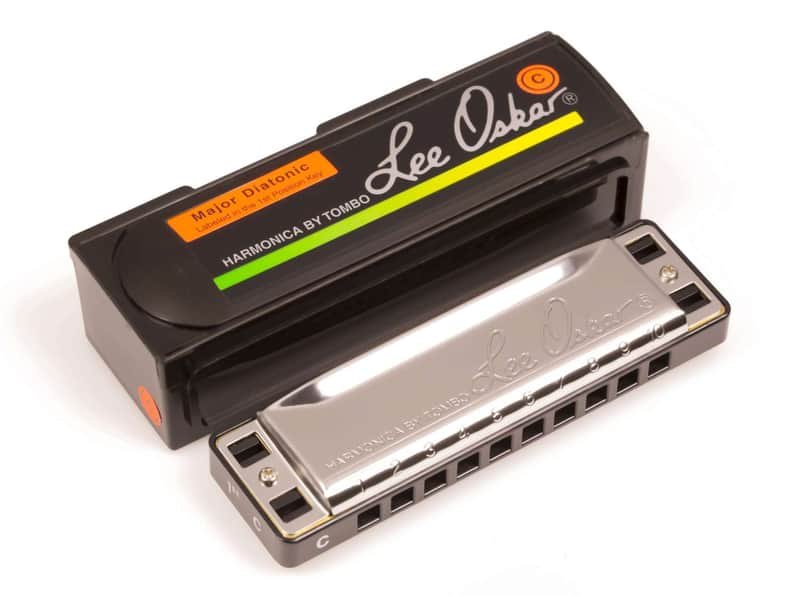
The Lee Oskar Major Diatonic brings clever engineering to the classic blues harp formula. Designed with the help of the War frontman himself, it features replaceable reed plates that screw on and off in seconds, so a blown reed no longer means buying a whole new harmonica. The plastic comb and stainless steel covers are built to last.
If harmonicas quality is your top priority, Lee Oskar Major Diatonic is easy to recommend.
It plays with a bright, projecting tone and very even response across all ten holes, making bends and fast runs feel effortless. Lee Oskar also offers alternative tunings like Natural Minor and Harmonic Minor in the same system. For practical, great sounding harps with a genius maintenance system, these are hard to beat.
Key features:
- Replaceable reed plates for cheap repairs
- Durable plastic comb and stainless covers
- Bright, even tone across all holes
- Wide range of keys and alternative tunings
- Airtight precision construction
- Designed with input from Lee Oskar
Pros:
- Reed plates replace in seconds
- Excellent, consistent playability
- Great value over the long term
Cons:
- Brighter tone not for traditionalists
- Replacement plates add up if you play hard
4. Suzuki Promaster MR-350

The Suzuki Promaster MR-350 is a precision instrument for players who demand the best. Its aluminium alloy comb is machined to exact tolerances for superb airtightness, while phosphor bronze reeds are laser tuned for accurate pitch and long life. The result is a harmonica with exceptional clarity and dynamic range.
Among this year’s harmonicas options, Suzuki Promaster MR-350 offers a strong balance of quality and value.
The Promaster responds beautifully to subtle embouchure changes, making it a favourite for expressive blues and melodic playing. The sleek metal body feels substantial and looks stunning. It costs more than entry level harps, but the craftsmanship and performance justify every penny for serious players.
Key features:
- Precision machined aluminium alloy comb
- Laser tuned phosphor bronze reeds
- Superb airtightness and projection
- Accurate intonation across all notes
- Elegant durable metal construction
- Available in all standard keys
Pros:
- Outstanding precision and clarity
- Long lasting, stable reeds
- Premium feel and looks
Cons:
- Metal comb can feel cold initially
- Premium price
5. Seydel 1847 Silver
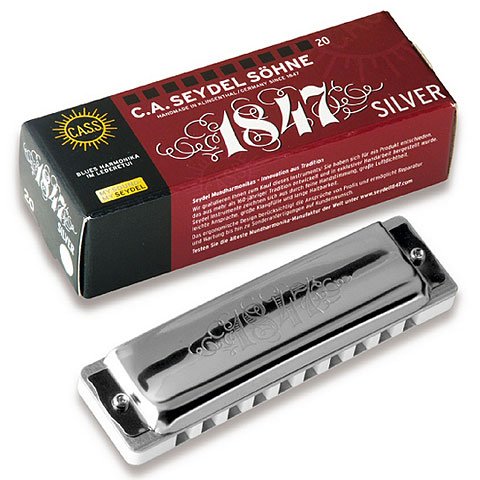
The Seydel 1847 Silver is hand made in Germany to the highest standards, and it shows in every note. Its stainless steel reeds last dramatically longer than brass, staying in tune through years of hard playing, while the polished aluminium comb gives a bright, powerful tone with superb projection.
Seydel 1847 Silver remains one of the most popular harmonicas picks with buyers.
This is a professional grade instrument trusted by top players worldwide. The airtight construction makes overblows and advanced techniques easier, and the ergonomic covers are comfortable for long sessions. If you want a buy it for life harmonica with flawless German engineering, the 1847 Silver is the pinnacle.
Key features:
- Hand made in Germany
- Stainless steel reeds for extreme longevity
- Polished aluminium comb
- Powerful, bright professional tone
- Excellent for overblows and advanced techniques
- Ergonomic stainless steel covers
Pros:
- Reeds last far longer than brass
- Superb craftsmanship and tuning stability
- Professional performance in every way
Cons:
- Expensive investment
- Bright tone may not suit mellow styles
6. Hohner Golden Melody
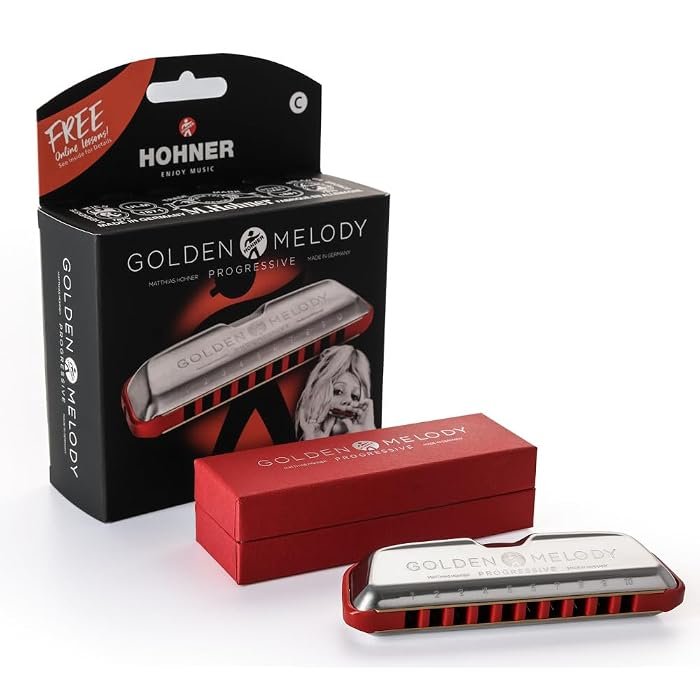
The Hohner Golden Melody stands out with its distinctive curved covers and equal temperament tuning. Unlike most diatonics tuned for chords, the Golden Melody is tuned for sweet single note melodies, making it a favourite for folk tunes, pop melodies and players who focus on lead lines rather than rhythm.
For anyone shortlisting the best harmonicas, Hohner Golden Melody is well worth a closer look.
The plastic comb and full length covers give it a smooth, modern feel and a clear, singing tone. Bends work well, and the unique look turns heads. It has been a fixture in Hohner’s lineup for decades, recently updated as the Golden Melody Progressive. For melodic players, it offers something genuinely different.
Key features:
- Equal temperament tuning for pure melodies
- Distinctive curved full length covers
- Plastic comb for durability
- Clear, singing single note tone
- Good bending response
- Iconic unique design
Pros:
- Perfect for melody focused playing
- Sweet, in tune single notes
- Comfortable and distinctive
Cons:
- Chords sound less rich than Richter tuned harps
- Less ideal for traditional blues rhythm
7. Hohner Blues Harp MS

The Hohner Blues Harp MS is built for raw, gritty blues tone. Part of Hohner’s Modular System, its wooden comb and brass reeds deliver a dark, earthy sound that cuts through a band mix beautifully. The black lacquered covers with gold lettering give it a classic, no nonsense look.
Hohner Blues Harp MS earns its place as a trusted harmonicas option in this roundup.
The MS system means reed plates, combs and covers are interchangeable across the range, making repairs and customisation straightforward. It takes a little more air than some rivals, which suits players with a strong attack. For authentic down home blues at a fair price, the Blues Harp MS delivers the goods.
Key features:
- Wooden comb for dark, traditional blues tone
- Modular System with interchangeable parts
- Brass reeds with strong projection
- Classic black and gold styling
- Good for aggressive, high energy playing
- Available in all standard keys
Pros:
- Gritty authentic blues sound
- Easy to repair and customise
- Great value
Cons:
- Needs more air than some harps
- Wood comb requires some care
8. Fender Blues DeVille

The Fender Blues DeVille proves you do not need to spend big to start playing harmonica. This affordable diatonic comes in a smart presentation box with a polishing cloth, and plays surprisingly well for the price. The chrome plated covers and sealed maple comb look far more expensive than they are.
When it comes to reliable harmonicas, Fender Blues DeVille consistently gets high marks from owners.
Tone is bright and clear, with decent reed response for learning bends and basic techniques. It is an ideal first harmonica for curious beginners, a handy spare in any key, or a fun gift for a budding musician. While serious players will eventually upgrade, the Blues DeVille gets the fundamentals right.
Key features:
- Very affordable entry price
- Sealed maple comb
- Chrome plated covers
- Bright, clear tone
- Includes storage box and cloth
- Available in popular keys including C
Pros:
- Excellent budget starter harp
- Smart presentation, great gift
- Decent playability for the price
Cons:
- Reed quality below premium rivals
- Less refined bending response
9. Seydel Session Steel
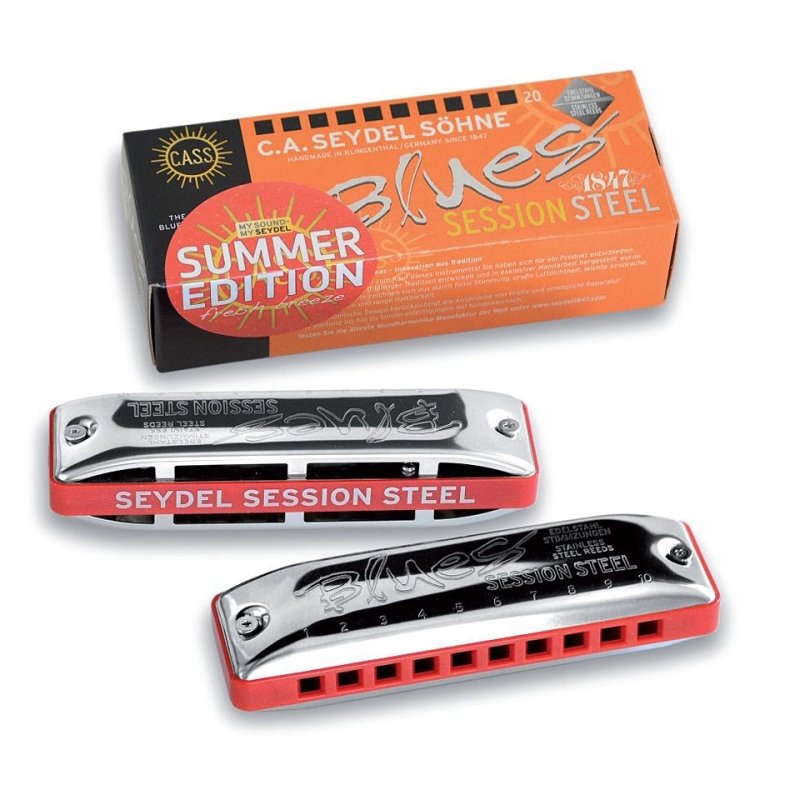
The Seydel Session Steel brings professional features to a mid range price. Like its premium sibling it uses stainless steel reeds for outstanding longevity and tuning stability, paired with an ergonomic plastic comb and rounded steel covers that feel great during long playing sessions.
Buyers who want proven harmonicas performance will find a lot to like in Seydel Session Steel.
The tone is full and balanced, with easy bending and a lively response that suits blues, folk and rock. German build quality shines through in the precise fit and finish. For players who want stainless steel reed durability without the flagship price, the Session Steel is arguably the smartest buy in the Seydel range.
Key features:
- Stainless steel reeds for long life
- Ergonomic ABS comb
- Rounded stainless steel covers
- Full, balanced tone with easy bending
- German precision manufacturing
- Wide range of keys and tunings
Pros:
- Pro grade reeds at a mid range price
- Very comfortable to play
- Excellent tuning stability
Cons:
- Less prestigious than the 1847
- Tone slightly less bright than premium models
10. Hohner Chromonica 64
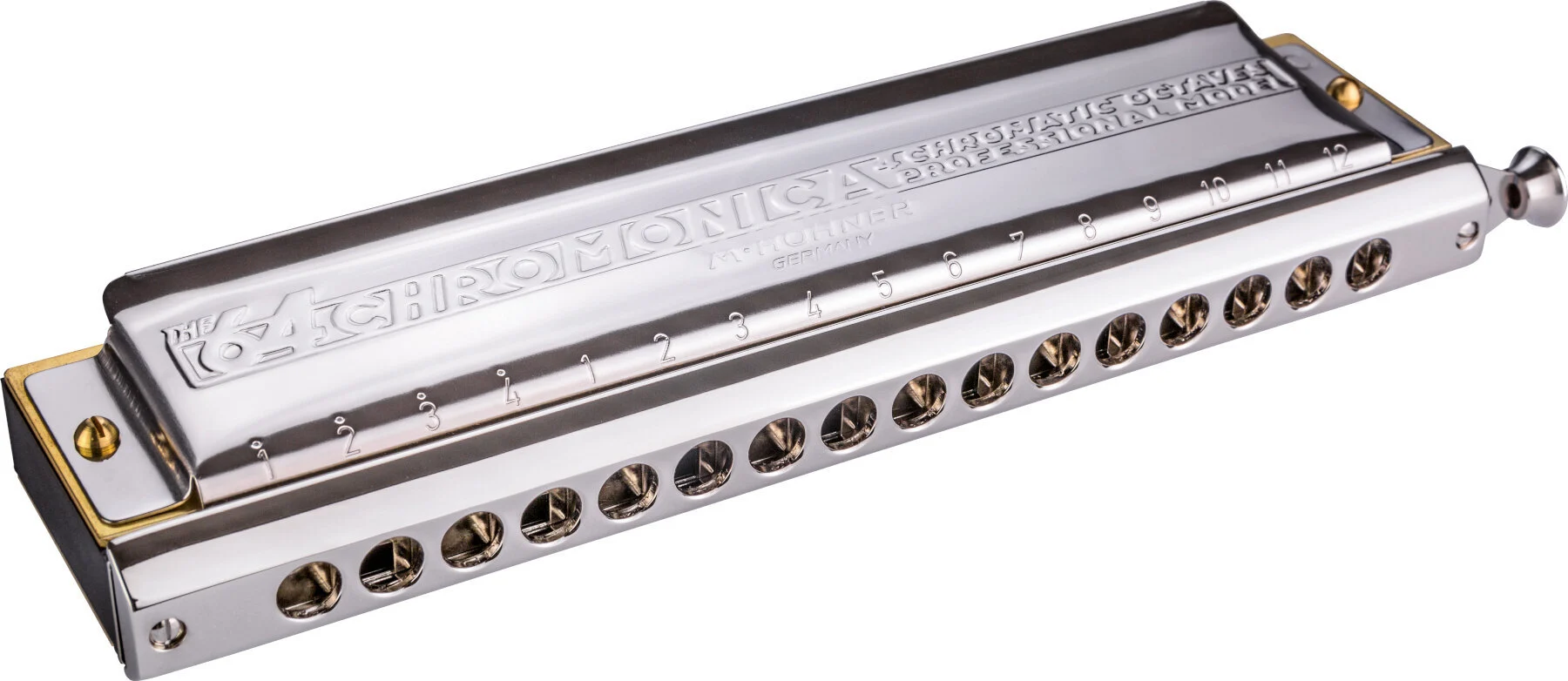
The Hohner Chromonica 64 is the definitive chromatic harmonica. With 16 holes covering four full octaves and a slide button that raises every note by a semitone, it plays every note of the chromatic scale, opening up jazz, classical, film music and complex melodies that diatonics cannot reach.
Hohner Chromonica 64 rounds out our harmonicas selection as a solid all round performer.
The pearwood comb and precision slide assembly give it a warm, expressive tone with the smooth action professionals demand. It is larger and more expensive than diatonic harps, and takes dedicated practice, but for serious students of the instrument it remains the benchmark chromatic. Legends from Stevie Wonder to Toots Thielemans made it famous.
Key features:
- 16 hole chromatic with 4 octave range
- Slide button for full chromatic playing
- Pearwood comb for warm tone
- Precision slide assembly
- Ideal for jazz, classical and film music
- The professional chromatic standard
Pros:
- Plays every note, total musical freedom
- Beautiful expressive tone
- Legendary professional pedigree
Cons:
- Expensive and complex for beginners
- Slide needs regular cleaning
Buying Guide: How to Choose the Best Harmonicas
Start with a diatonic in the key of C. The key of C is the standard learning key, and most lessons, tabs and tutorial videos use it. Diatonic harmonicas are affordable, intuitive and perfect for blues, folk and rock. Leave chromatic models until you have the basics down.
Consider the comb material. Wooden combs give a warm traditional tone but need protection from moisture, while plastic combs are airtight, durable and maintenance free. Metal combs offer precision and projection. For a first harmonica, plastic is the practical choice.
Match the harmonica to your music. Blues players love the Marine Band and Blues Harp for their gritty tone, beginners thrive on the Special 20 and Blues DeVille, and melody players should try the Golden Melody. Jazz and classical demand a chromatic like the Chromonica 64.
Think about reed longevity. Brass reeds sound wonderful but wear out with hard playing, while stainless steel reeds from Seydel and Suzuki last far longer and hold their tuning. If you play daily, stainless steel saves money over time.
Do not fear spending a little more. A quality harmonica like the Special 20 or Session Steel plays in tune, bends easily and responds consistently, which makes learning faster and more enjoyable. Cheap toy harmonicas frustrate beginners and slow progress.
Keep researching the best harmonicas with our related guides to the best acoustic guitars and best electric guitars. For useful background on harmonicas, the Musical instrument on Wikipedia article is worth a read.
Frequently Asked Questions
What key harmonica should a beginner buy? For more detail on harmonicas, see the buying guide above.
Buy a diatonic harmonica in the key of C. It is the standard key for lessons and tutorials, sits comfortably in the middle of the vocal range, and lets you play along with countless instructional videos and backing tracks. Once you are comfortable, add keys like G and A for more playing positions. For more detail on harmonicas, see the buying guide above.
What is the difference between diatonic and chromatic harmonicas?
A diatonic harmonica plays the notes of one major scale and uses bending to reach extra notes, making it ideal for blues and folk. A chromatic harmonica has a slide button that gives access to every semitone, suiting jazz, classical and complex melodies.
How do you bend notes on a harmonica?
Bending lowers the pitch of certain draw notes by changing the shape of your mouth and throat while drawing air. It takes practice, but airtight harmonicas like the Special 20 and Marine Band make it easier. Start with the 4 draw bend, the most useful in blues.
How long do harmonica reeds last?
Brass reeds typically last months to a few years depending on how hard you play, while stainless steel reeds can last many times longer. Playing gently, keeping the harmonica clean and letting it warm up before playing all extend reed life.
Can you play chords on a harmonica?
Yes. Diatonic harmonicas are tuned so that blowing across multiple holes produces a major chord, which is why they sound so full for rhythm playing. The Golden Melody is the exception, tuned instead for sweeter single note melodies. Drawing across the lower holes also gives a dominant seventh chord, perfect for blues vamps.
Conclusion
From the legendary Hohner Marine Band 1896 and the beginner friendly Special 20 to the precision engineered Seydel 1847 Silver and the versatile Chromonica 64, the best harmonicas here cover every player and budget. Start with a quality diatonic in C, practise a little every day, and you will be amazed how quickly this tiny instrument rewards you.
In short, the best harmonicas is the one that fits your needs and budget. Use the reviews above to compare the leading harmonicas options side by side, then pick the harmonicas that you will enjoy using for years to come.
