
10 Best Microphones – Crisp Sound for Every Voice
Whether you are recording a podcast, streaming games, singing on stage or building a home studio, the microphone makes more difference than any other single purchase. A great mic captures your voice with clarity and warmth, while a poor one buries it in hiss and room noise. This guide to the best microphones rounds up the proven models that professionals and creators actually use. This microphones guide brings together everything you need to choose with confidence.
We have judged each microphone on sound quality, build, ease of use, versatility and value, covering stage dynamics, studio condensers and plug and play USB options. Whether you need a live vocal workhorse, a podcasting setup, or a first studio mic, there is a dependable choice below. Every model is an established industry standard with a track record you can trust. We also explain the key decisions, from dynamic versus condenser designs to USB versus XLR connections, so you can buy with confidence. The right microphone matches your voice, your room and your workflow, turning ordinary recordings into something people enjoy hearing. Read on to find the mic that fits your purpose and your budget.
1. Shure SM58
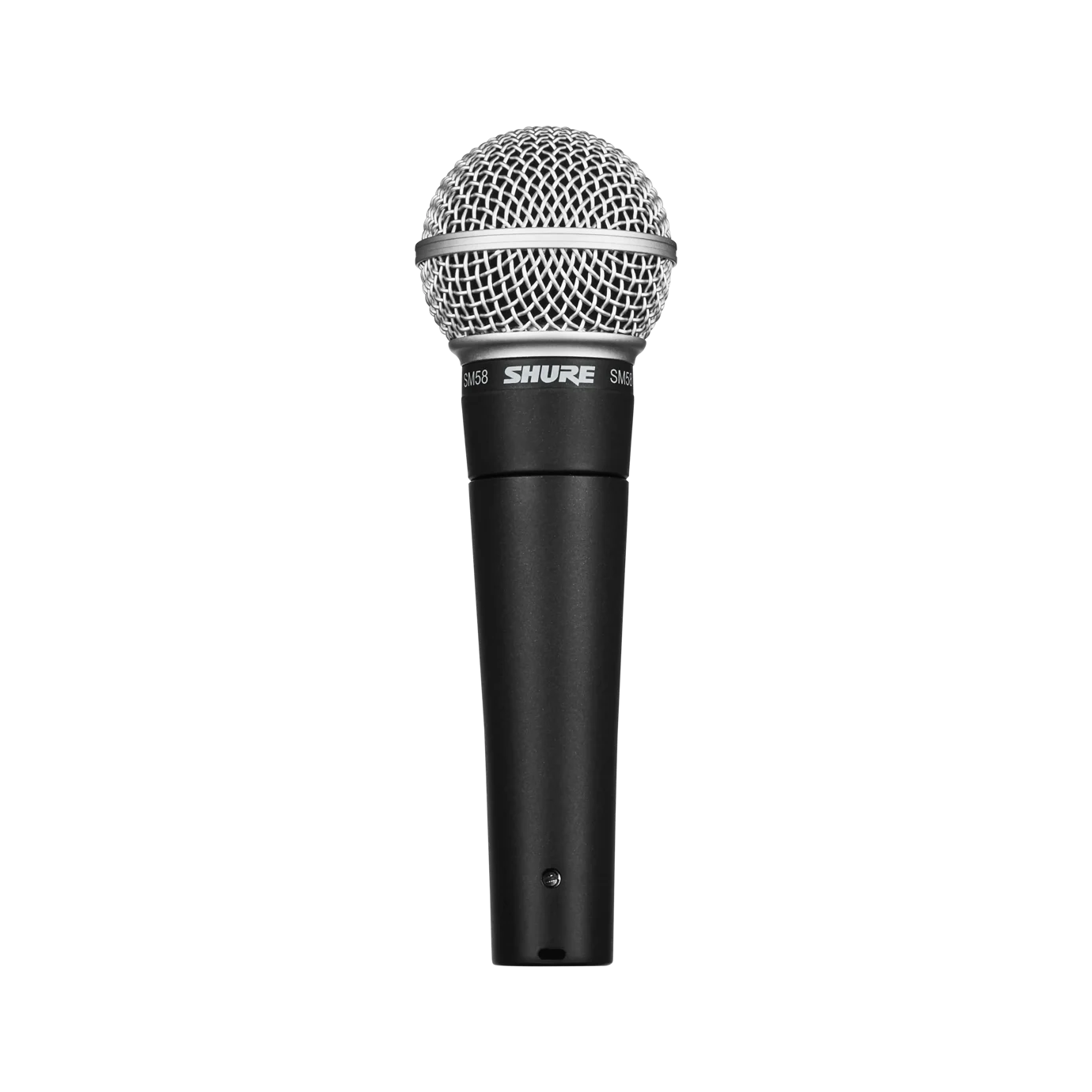
The Shure SM58 is the most famous microphone in the world, and it earned that status on stages everywhere. This dynamic vocal mic has survived decades of drops, beer spills and world tours while delivering the same punchy, reliable vocal sound night after night. If you sing live, this is the default choice.
For shoppers comparing the best microphones this year, Shure SM58 deserves a place on the shortlist.
For anyone shortlisting the best microphones, Shure SM58 is well worth a closer look.
The SM58’s tailored frequency response emphasises vocal presence while rolling off rumble and handling noise. Its cardioid pattern rejects sound from behind, cutting feedback on loud stages. The steel mesh grille and pneumatic shock mount shrug off abuse that would destroy lesser mics. It needs no power and no babying: plug it into any mixer or PA and it simply works.
Key features:
- Legendary dynamic vocal microphone
- Cardioid polar pattern for feedback rejection
- Tailored response for vocal presence
- Rugged steel mesh grille
- Built in pneumatic shock mount
- No power required
Pros:
- Industry standard live vocal sound
- Virtually indestructible
- Works with any PA or mixer
Cons:
- Needs a good preamp for quiet studio use
- Handling noise if gripped tightly
2. Audio-Technica AT2020
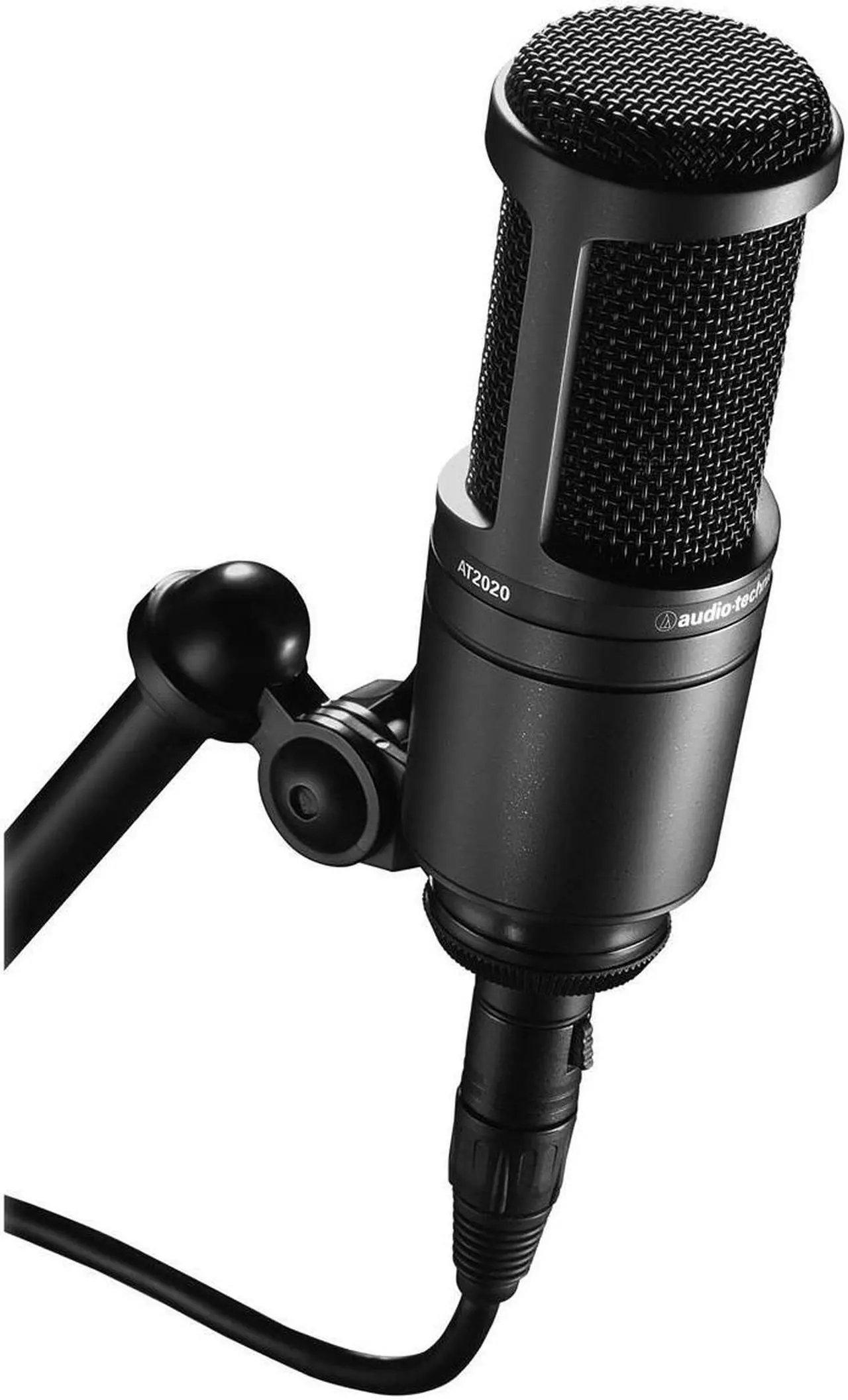
The Audio-Technica AT2020 is the best selling condenser microphone of its generation, and the gateway into serious home recording for millions of creators. It brings genuine studio condenser clarity to a price that students and beginners can afford, making it the classic first microphone for vocals, voiceover and instruments.
Overall, Audio-Technica AT2020 stands out as a dependable microphones choice for everyday use.
Audio-Technica AT2020 earns its place as a trusted microphones option in this roundup.
The AT2020’s cardioid condenser capsule captures detail and air that dynamic mics miss, with a bright, present top end that flatters voices. It handles high sound pressure levels well, so it copes with everything from soft singing to guitar amps. The rugged metal construction feels far more expensive than it is. Paired with an affordable audio interface, it delivers recordings that sound properly professional.
Key features:
- Cardioid condenser capsule
- Wide 20Hz to 20kHz frequency response
- High SPL handling for loud sources
- Low self noise
- Rugged all metal construction
- Includes stand mount and pouch
Pros:
- Superb clarity for the price
- Versatile for vocals and instruments
- Proven reliability over many years
Cons:
- Needs 48V phantom power and an interface
- Picks up room noise in untreated spaces
3. RODE NT-USB+
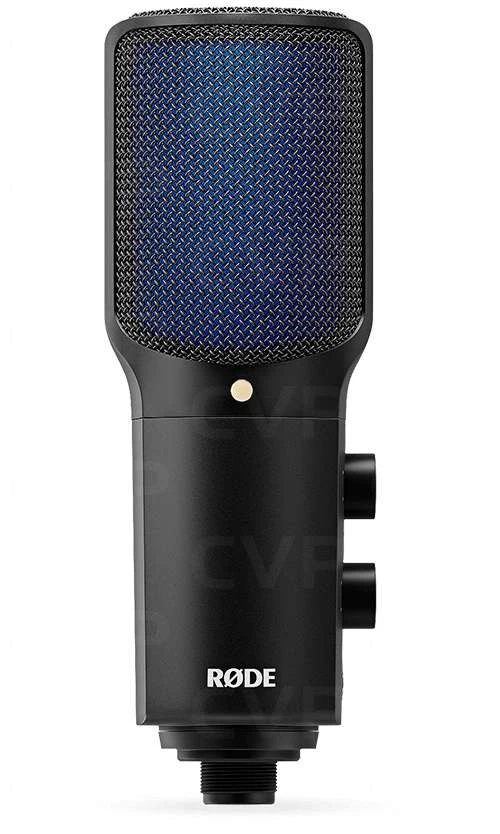
The RODE NT-USB+ is the refined sequel to the microphone that defined USB podcasting. RODE rebuilt it around a new condenser capsule and its Revolution preamp technology, delivering noticeably cleaner, more detailed sound than the original. For creators who want studio quality without an audio interface, it is the new benchmark.
If microphones quality is your top priority, RODE NT-USB+ is easy to recommend.
When it comes to reliable microphones, RODE NT-USB+ consistently gets high marks from owners.
Simply plug the NT-USB+ into a computer and it is ready to record: no drivers, no interface, no fuss. The sound is open and natural with excellent speech clarity, and the built in DSP offers noise gating and compression through RODE’s software. The included pop filter and desk stand complete a tidy desktop setup. Podcasters, streamers and voiceover artists will love its simplicity.
Key features:
- Studio grade condenser capsule
- Revolution preamp for ultra low noise
- Plug and play USB-C connection
- Built in DSP with noise gate and compression
- Zero latency headphone monitoring
- Includes pop filter and desk stand
Pros:
- Excellent sound with no interface needed
- Very low noise floor
- Simple setup for beginners
Cons:
- USB only, no XLR option
- DSP features need RODE software
4. Blue Yeti

The Blue Yeti made USB microphones mainstream, and it remains one of the most recognisable mics on desks around the world. Its four polar patterns and dead simple controls made quality recording accessible to everyone, from podcasters to remote workers who just want to sound better on calls.
Among this year’s microphones options, Blue Yeti offers a strong balance of quality and value.
Buyers who want proven microphones performance will find a lot to like in Blue Yeti.
The Yeti’s three condenser capsules deliver clear, full bodied sound, and the switchable cardioid, stereo, omnidirectional and bidirectional patterns cover interviews, round tables and solo recording alike. Gain control and a headphone volume knob sit right on the mic, with zero latency monitoring. The sturdy metal build and weighted base feel reassuringly solid. For an all rounder that does everything, it is still a fine pick.
Key features:
- Three condenser capsules
- Four selectable polar patterns
- On mic gain and headphone volume controls
- Zero latency headphone output
- Plug and play USB connection
- Sturdy metal body with desk stand
Pros:
- Versatile patterns for many recording situations
- Very easy for beginners
- Solid, premium feeling build
Cons:
- Large and heavy for a desk mic
- Picks up keyboard and room noise
5. Shure SM7B

The Shure SM7B is the microphone behind countless hit records, legendary podcasts and radio stations. This dynamic broadcast mic has a rich, intimate sound that flatters voices like nothing else, and its superb rejection of room noise makes it the king of untreated home studios.
Shure SM7B remains one of the most popular microphones picks with buyers.
The SM7B’s smooth, flat response captures vocals with warmth and authority, while the internal shock mount and detachable windscreen tame plosives and vibrations. It shrugs off poor room acoustics that would expose a condenser, which is why podcasters swear by it. It does need plenty of clean gain, so budget for a good preamp or an inline booster. Once properly driven, few mics sound this good on voice.
Key features:
- Dynamic broadcast microphone
- Flat, wide range vocal response
- Excellent rejection of room noise
- Internal air suspension shock isolation
- Detachable close talk windscreen
- Rugged broadcast grade construction
Pros:
- Gorgeous rich vocal tone
- Forgiving in untreated rooms
- A genuine studio classic
Cons:
- Needs a lot of clean gain
- Expensive compared with USB options
6. Audio-Technica ATR2100x
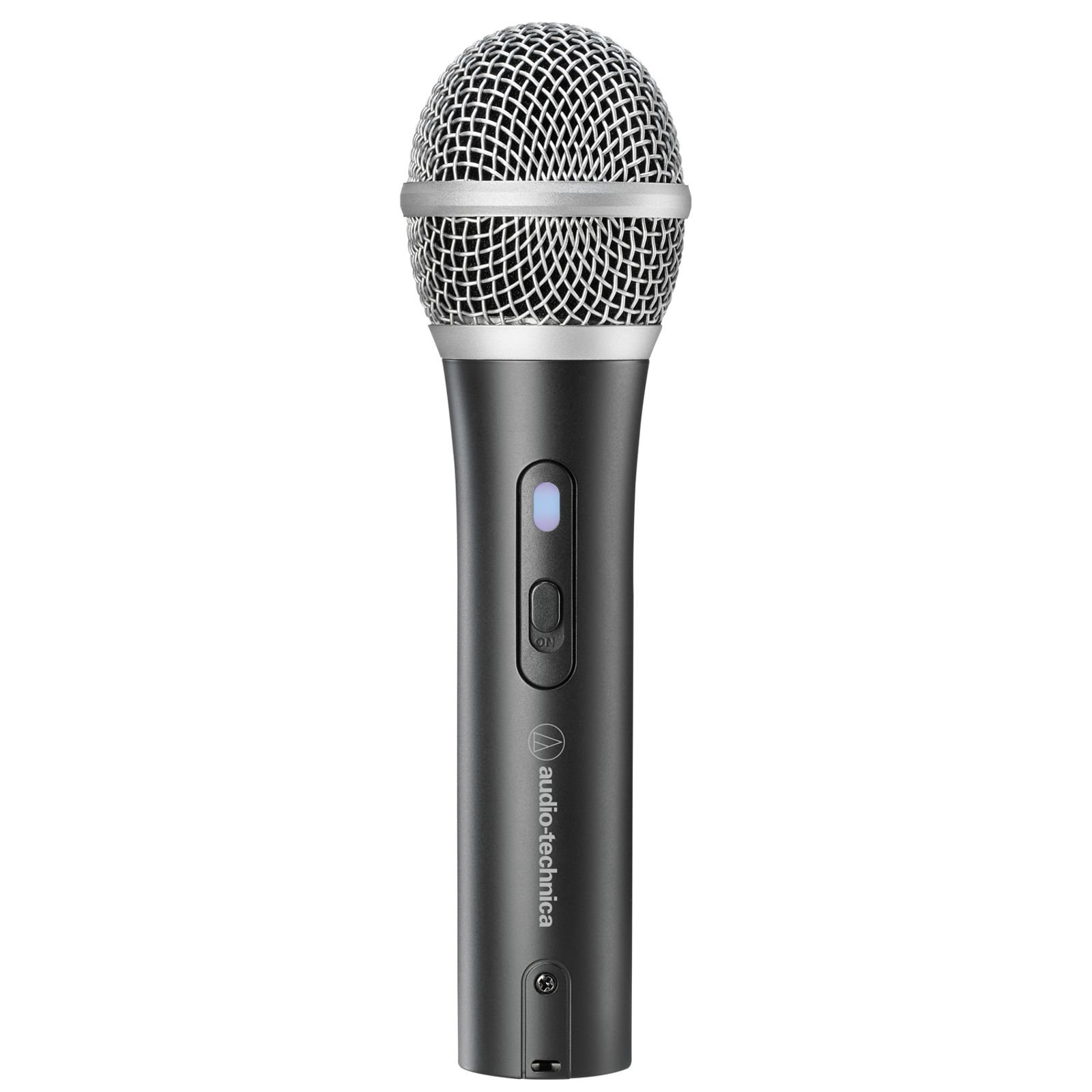
The Audio-Technica ATR2100x is the smartest first microphone a podcaster can buy, because it refuses to lock you into one setup. With both USB and XLR outputs on the same body, you can start recording straight into a laptop today and graduate to a proper audio interface tomorrow without buying a new mic.
For anyone shortlisting the best microphones, Audio-Technica ATR2100x is well worth a closer look.
As a dynamic mic it is naturally resistant to room noise, making it ideal for home recording. The cardioid pattern focuses on your voice, and the sound is clear and present with minimal fuss. The USB-C connection works with computers and tablets, while the XLR output is ready for mixers and interfaces. It includes a desk stand, cables and a carry pouch: a complete starter kit in one box.
Key features:
- Dual USB-C and XLR outputs
- Dynamic capsule resistant to room noise
- Cardioid polar pattern
- Built in headphone jack with volume control
- Includes desk stand, cables and pouch
- Works with computers and tablets
Pros:
- USB and XLR in one affordable mic
- Great upgrade path for beginners
- Good rejection of background noise
Cons:
- Sound less detailed than condensers
- Included desk stand is basic
7. RODE PodMic
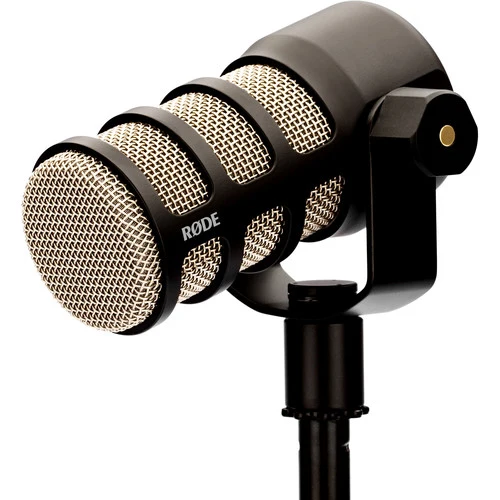
The RODE PodMic was designed for one job: making podcasts sound superb. This broadcast style dynamic mic delivers the rich, close up vocal tone of far more expensive broadcast microphones, with built in pop filtering and internal shock mounting that keep recordings clean.
RODE PodMic earns its place as a trusted microphones option in this roundup.
The PodMic’s tailored response gives speech weight and presence, while its cardioid pattern and dynamic capsule reject the room noise, keyboard clatter and computer fans that plague home setups. It feels beautifully made, with an all metal body finished to RODE’s high standards. Pair it with an interface or a RODECaster and you have a podcasting chain that sounds genuinely professional.
Key features:
- Broadcast quality dynamic capsule
- Optimised for speech and podcasting
- Internal pop filter
- Internal shock mount
- All metal construction
- XLR connection
Pros:
- Rich broadcast tone for podcasts
- Excellent value for the quality
- Beautifully built
Cons:
- XLR only, needs an interface
- Heavy, needs a sturdy arm or stand
8. Samson Q2U
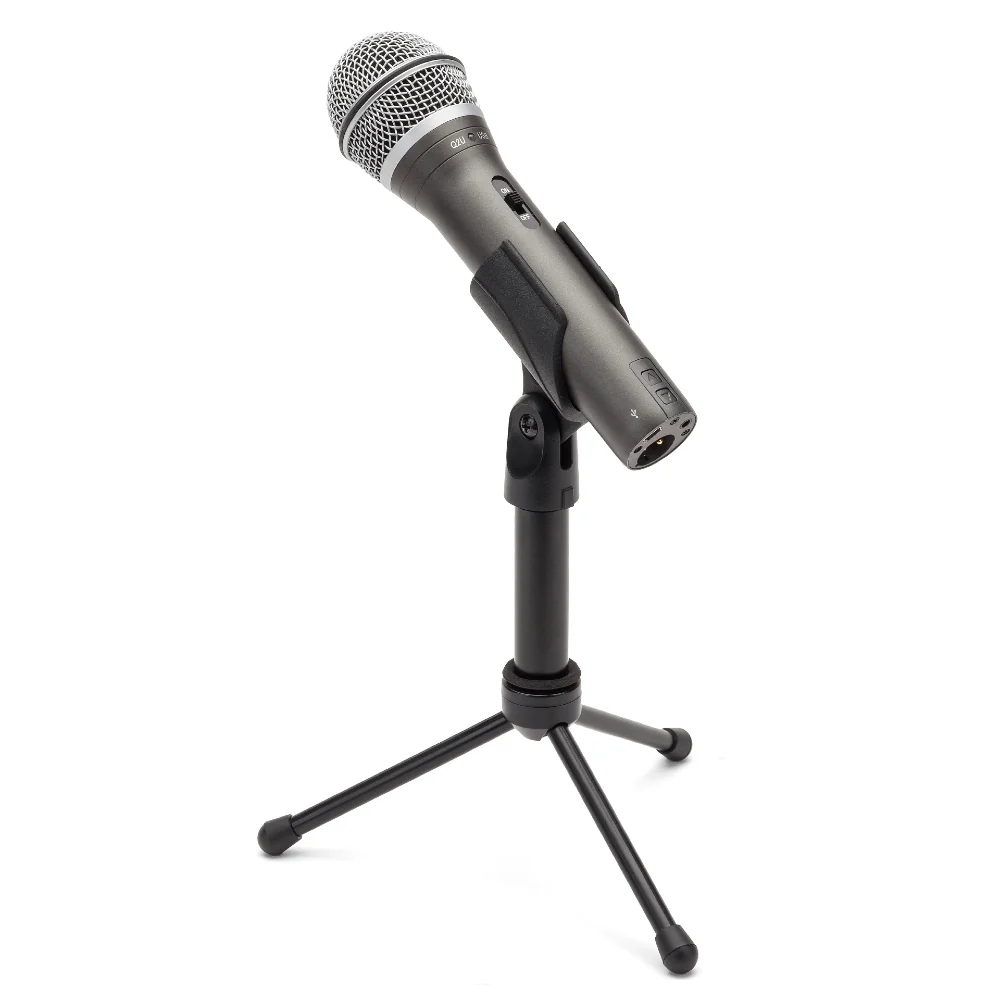
The Samson Q2U is the budget podcaster’s secret weapon. Like its pricier rivals it offers both USB and XLR outputs, but at a price that undercuts almost everything else. For beginners who want a proper upgrade path without spending much, it is almost unbeatable value.
When it comes to reliable microphones, Samson Q2U consistently gets high marks from owners.
The dynamic capsule delivers clear, focused vocal sound with good rejection of room noise, and the cardioid pattern keeps the attention on your voice. The handheld design also works for interviews and live use. The box includes a mic clip, tripod stand, cables and even recording software to get you started. It will not match a Shure SM7B, but for the money the Q2U is a remarkable package.
Key features:
- Dual USB and XLR outputs
- Dynamic capsule with cardioid pattern
- Handheld design for versatile use
- Includes mic clip and tripod stand
- USB cable and XLR cable included
- Recording software bundled
Pros:
- Incredible value with dual outputs
- Complete kit in the box
- Good for interviews and live use
Cons:
- Build feels plasticky
- Sound thinner than premium dynamics
9. AKG P120
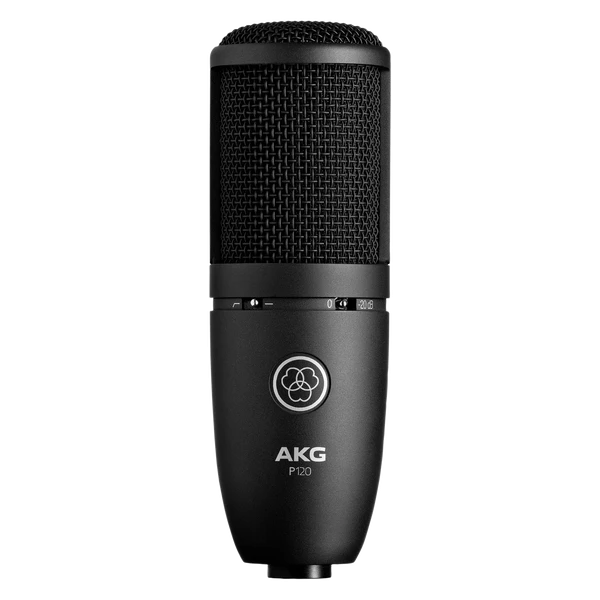
The AKG P120 is the entry point into AKG’s respected Perception studio range, and it brings genuine Austrian engineering to a beginner friendly price. This cardioid condenser is a capable all rounder for vocals, acoustic guitar, overheads and voiceover work in the home studio.
Buyers who want proven microphones performance will find a lot to like in AKG P120.
The P120’s two thirds inch capsule delivers a clear, open sound with a gentle presence lift that helps vocals sit in a mix. Switchable bass cut and attenuation pad add flexibility for louder sources and boomy rooms. The rugged metal body and included spider shock mount give it a properly professional feel. For home recordists wanting their first real studio condenser, it is a confident choice.
Key features:
- Two thirds inch condenser capsule
- Cardioid polar pattern
- Switchable bass cut filter
- Switchable 20dB attenuation pad
- Low self noise
- Includes spider shock mount
Pros:
- Genuine studio condenser sound
- Useful bass cut and pad switches
- Strong build with shock mount included
Cons:
- Needs 48V phantom power
- Less well known than AT2020 rivals
10. Sennheiser E835
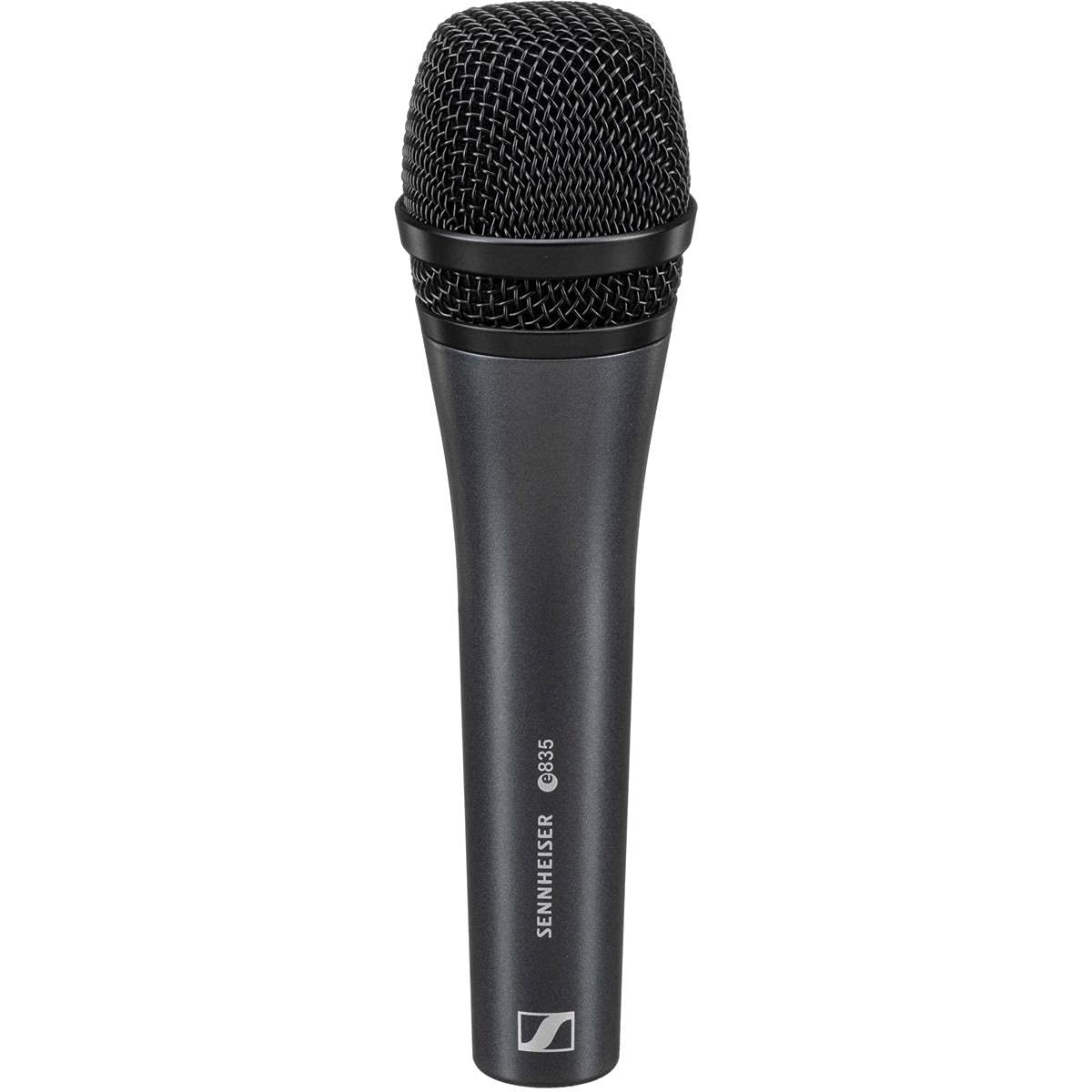
The Sennheiser E835 is the SM58’s great rival, and many singers prefer it. This dynamic cardioid vocal mic offers a slightly brighter, more open sound than the Shure, with excellent feedback rejection and the ruggedness to survive life on the road.
Sennheiser E835 rounds out our microphones selection as a solid all round performer.
The E835’s tailored response lifts vocal clarity and projection, helping voices cut through a loud band without harshness. Its shock mounted capsule minimises handling noise, and the metal construction with a dent resistant grille takes knocks in its stride. It needs no power and works with any mixer. For singers who find the SM58 a touch dark, the E835 is the answer.
Key features:
- Dynamic cardioid vocal microphone
- Tailored response for vocal clarity
- High feedback rejection
- Shock mounted capsule
- Rugged metal body
- Dent resistant steel grille
Pros:
- Bright, clear vocal sound
- Excellent feedback rejection
- Very tough stage build
Cons:
- Less iconic than the SM58
- Handling noise if cupped
Buying Guide: How to Choose the Best Microphones
Dynamic vs condenser. Dynamic mics like the SM58 are rugged, reject room noise and suit live vocals and untreated rooms. Condensers like the AT2020 capture more detail and air, ideal for treated studios and voiceover.
USB vs XLR. USB mics plug straight into a computer and are perfect for beginners. XLR mics need an audio interface or mixer but offer better quality and upgrade paths. Dual output mics like the ATR2100x give you both.
Polar pattern. Cardioid picks up sound from the front and rejects the rear, which suits most solo recording. Multi pattern mics like the Blue Yeti add options for interviews and groups.
Intended use. Live singers need tough dynamics like the SM58 or E835. Podcasters want broadcast dynamics like the SM7B or PodMic. Studio recording calls for condensers like the AT2020 or P120.
Room noise. If your room is untreated, a dynamic mic will forgive far more than a condenser. The SM7B, PodMic and ATR2100x all excel in ordinary rooms.
Gain requirements. Dynamic broadcast mics need plenty of clean gain, so check your interface can drive an SM7B. USB mics handle this internally with no extra gear.
Budget realistically. The microphone is only part of the chain. Leave room in your budget for a stand or arm, and an interface if you choose XLR.
Keep researching the best microphones with our related guides to the best acoustic guitars and best electric guitars. For useful background on microphones, the Musical instrument on Wikipedia article is worth a read.
Frequently Asked Questions
What is the best microphone for beginners? For more detail on microphones, see the buying guide above.
The Audio-Technica ATR2100x is ideal for beginners thanks to its USB and XLR outputs, affordable price and clear, focused sound. The Blue Yeti and RODE NT-USB+ are excellent USB only alternatives that need no extra gear, while the Samson Q2U gives you the same dual output flexibility at an even lower price. Choose based on whether you want a simple plug and play setup or a mic that grows with your studio. For more detail on microphones, see the buying guide above.
What is the best microphone for podcasting?
The Shure SM7B is the podcasting gold standard, with a rich, intimate tone and superb rejection of room noise that suits untreated home studios. The RODE PodMic offers similar broadcast character for less money, while the ATR2100x and Samson Q2U are superb budget options with USB connectivity. Pick the SM7B if your budget stretches, or a dynamic dual output mic if you are just starting out.
Do I need an audio interface?
Only for XLR microphones. USB microphones like the RODE NT-USB+ and Blue Yeti connect directly to your computer with no extra hardware, which keeps things simple and affordable. XLR microphones such as the SM58 and SM7B need an audio interface or mixer to provide gain and convert their signal. If you plan to upgrade your mic collection over time, an interface is a wise investment.
What is the difference between dynamic and condenser microphones?
Dynamic microphones are rugged and reject background noise, suiting live vocals and untreated rooms, with models like the SM58 shrugging off drops and feedback. Condenser microphones are more sensitive and detailed, capturing subtle nuances that suit treated studios and voice recording. Choose a dynamic mic for noisy rooms or live use, and a condenser when you want maximum detail in a quiet space.
Why is the Shure SM58 so popular?
The SM58 combines a great live vocal sound with legendary durability and an affordable price that working musicians can justify. Decades of reliable service on stages worldwide made it the industry standard that sound engineers reach for without thinking. It needs no power, works with any mixer, and survives abuse that destroys lesser microphones, which is why it remains the default live vocal choice.
Conclusion
The best microphones earn their reputation through years of reliable service. Live singers should start with the Shure SM58 or Sennheiser E835, while podcasters will love the Shure SM7B, RODE PodMic, ATR2100x or Samson Q2U. Home studios are well served by the Audio-Technica AT2020 and AKG P120, and creators wanting simplicity should look at the RODE NT-USB+ and Blue Yeti.
Match the microphone to your room, your voice and your workflow, add a decent stand, and you will sound better from your very first recording.
In short, the best microphones is the one that fits your needs and budget. Use the reviews above to compare the leading microphones options side by side, then pick the microphones that you will enjoy using for years to come.
