

10 Best Studio Headphones – Top Picks for 2026
Great mixes start with great monitoring. The best studio headphones reveal every detail of your recording, from the rumble of a kick drum to the breath between vocal phrases, so your decisions translate to speakers, earbuds and cars alike. Whether you are tracking vocals, mixing your first EP or editing podcasts late at night, an honest pair of studio headphones is one of the smartest investments you can make. This studio headphones guide brings together everything you need to choose with confidence.
We have rounded up the ten best studio headphones you can buy right now, from affordable tracking classics to premium open back references used by professional mix engineers. Every pick has been judged on sound accuracy, comfort during long sessions, build quality, isolation and overall value for money. Whether you need closed back isolation for recording vocals, open back spaciousness for critical mixing, or a versatile all rounder for a growing home studio, this guide covers every budget and use case. Read on to find the pair that matches your studio and budget.
1. Audio-Technica ATH-M50x
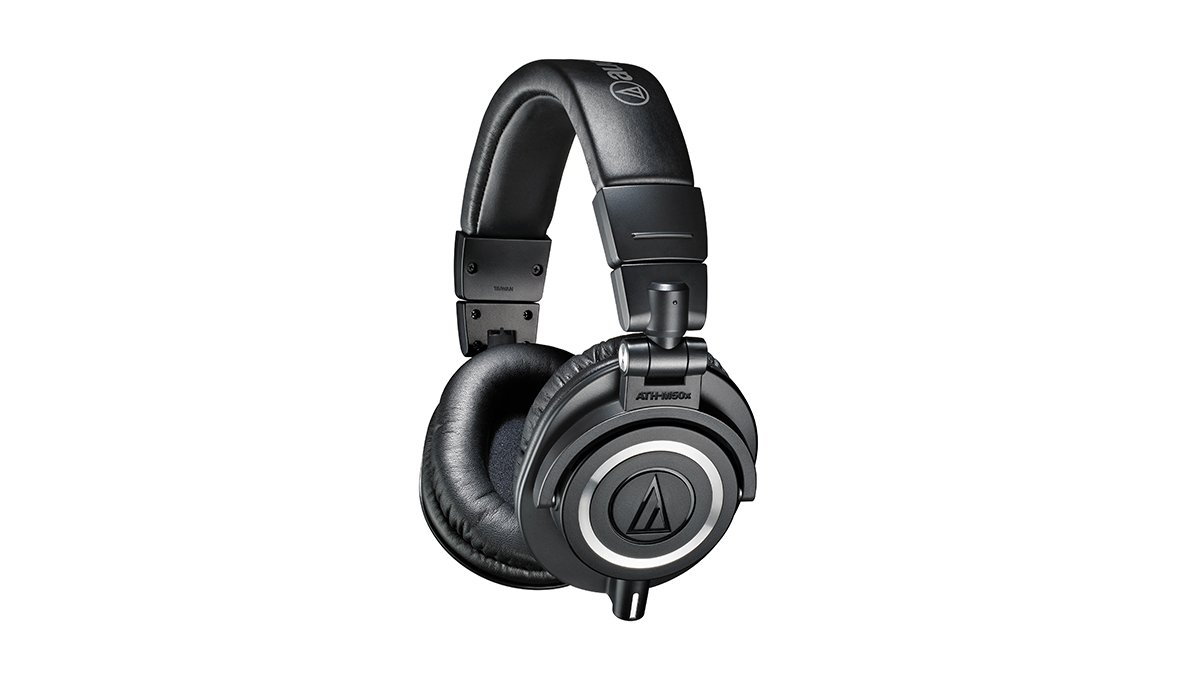
The Audio-Technica ATH-M50x is the best selling studio headphone in the world, and for good reason. Its 45mm drivers deliver a punchy, detailed sound with deep lows and crisp highs that make tracking vocals, guitars and drums a pleasure. The closed back design provides excellent isolation, so microphone bleed stays minimal during vocal takes and outside noise stays out while you work.
For shoppers comparing the best studio headphones this year, Audio-Technica ATH-M50x deserves a place on the shortlist.
For anyone shortlisting the best studio headphones, Audio-Technica ATH-M50x is well worth a closer look.
Comfort is a strong point thanks to the plush ear cushions and adjustable headband, and the earcups swivel 90 degrees for easy single ear monitoring. Three detachable cables are included, including a coiled studio lead, so you can replace a worn cable instead of the whole headphone. It folds flat for travel, which makes it a favourite for producers who work in several locations. At 38 ohms it runs happily from a laptop, phone or audio interface, with no special amplifier needed.
Key features:
- 45mm large aperture drivers with rare earth magnets
- Closed back design for strong sound isolation
- Detachable cables with locking connector, three cables included
- 90 degree swivelling earcups for single ear monitoring
- Collapsible design for easy transport
- 38 ohm impedance, works with any device
Pros:
- Detailed, exciting sound that suits almost any genre
- Superb isolation for tracking sessions
- Replaceable cables extend its lifespan hugely
Cons:
- Slightly boosted bass is not fully neutral for mixing
- Ear cushions can get warm in summer
2. Beyerdynamic DT 770 Pro
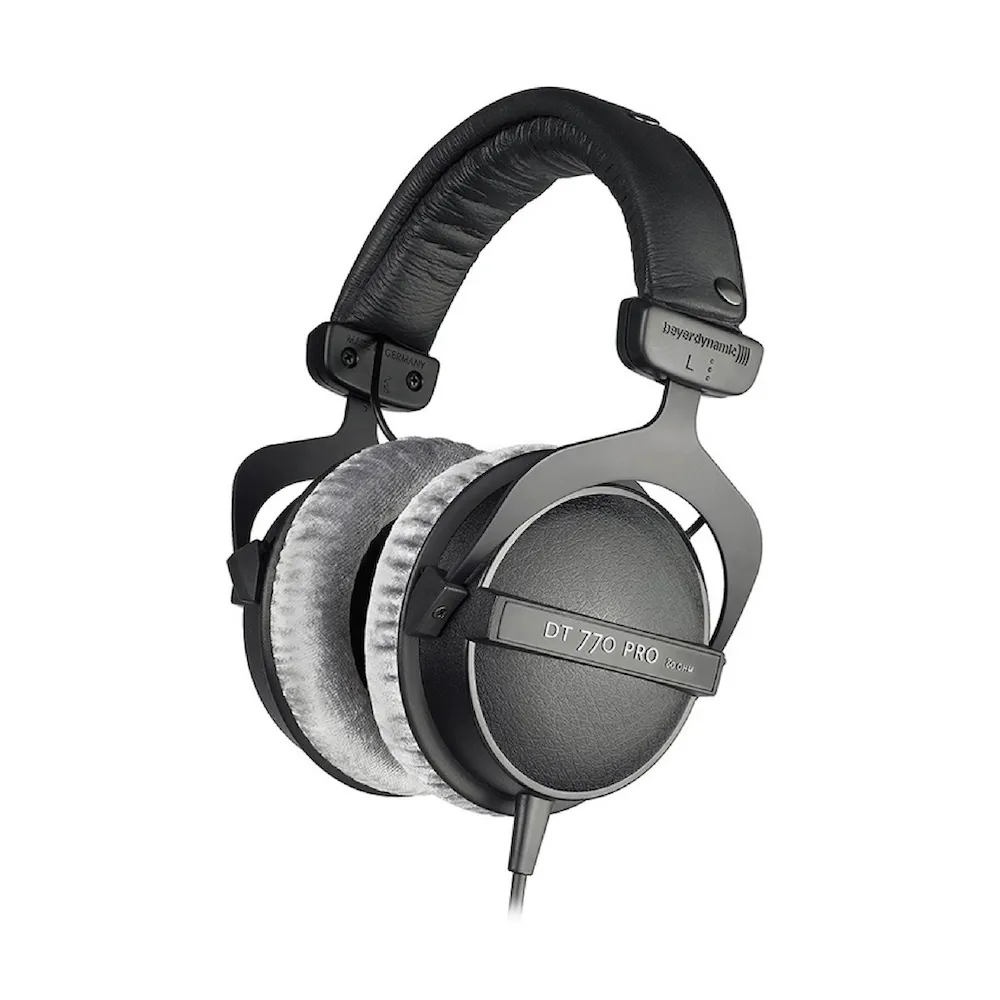
The Beyerdynamic DT 770 Pro has been a studio staple for decades, and it remains one of the most comfortable headphones you can wear for a full day of recording. The soft velour ear pads and relaxed headband distribute pressure evenly, so long mixing and tracking sessions never become a chore. Its closed back design blocks out plenty of ambient noise, making it ideal for drummers and vocalists working in loud rooms.
Overall, Beyerdynamic DT 770 Pro stands out as a dependable studio headphones choice for everyday use.
Beyerdynamic DT 770 Pro earns its place as a trusted studio headphones option in this roundup.
Sonically it is honest and spacious, with a tight low end and clear, extended treble that exposes harshness in recordings. Every part is user replaceable, from the ear pads to the headband and cable, which means a DT 770 Pro can realistically last twenty years with basic maintenance. It comes in 32, 80 and 250 ohm versions, with the 80 ohm model offering the best balance for use with audio interfaces and portable devices.
Key features:
- Closed back circumaural design with soft velour pads
- Wide frequency response from 5Hz to 35kHz
- Available in 32, 80 and 250 ohm versions
- Every part is replaceable for a very long service life
- Rugged spring steel headband, made in Germany
- Single sided cable for tangle free use
Pros:
- Outstanding comfort for long sessions
- Excellent isolation and detailed treble
- Built like a tank with replaceable parts
Cons:
- Higher impedance versions need a headphone amplifier
- Soundstage feels slightly distant for some listeners
3. Sennheiser HD 600
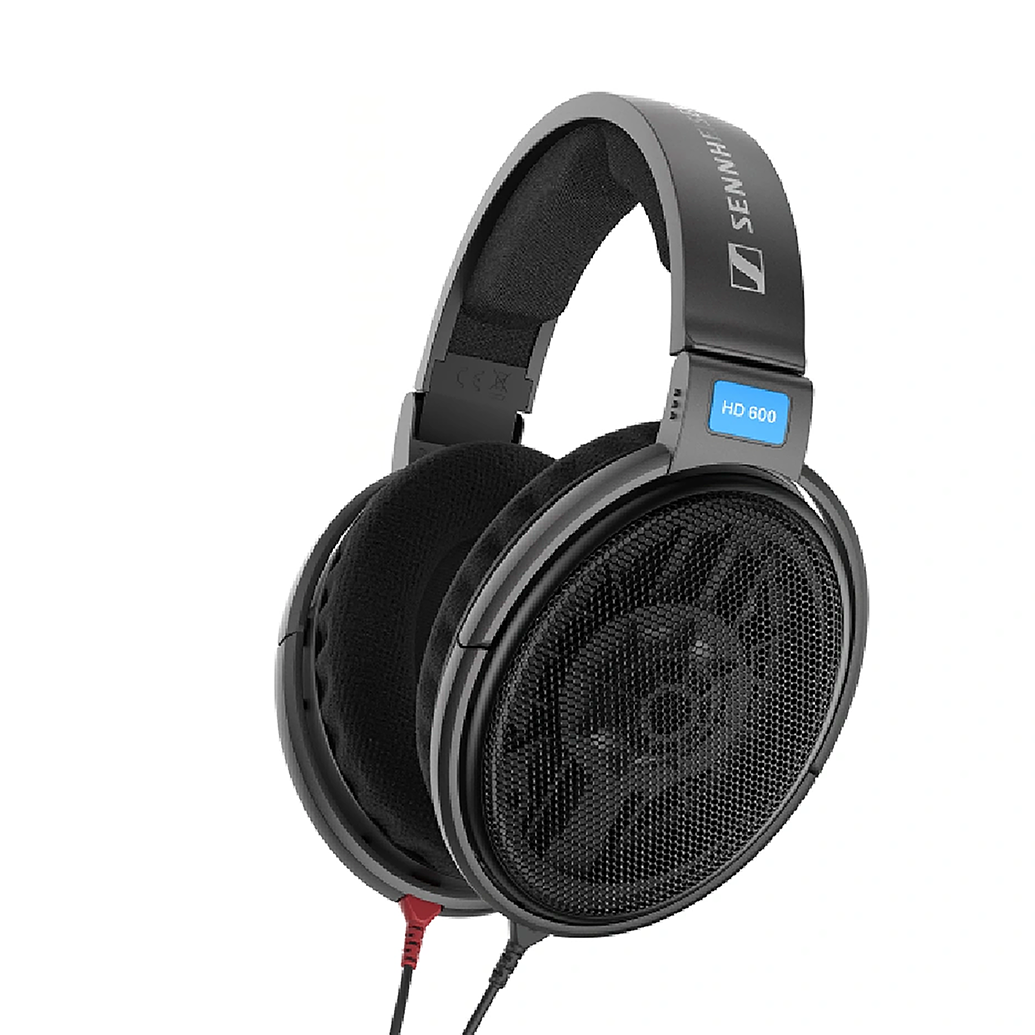
The Sennheiser HD 600 is a legend among mix engineers, prized for its almost perfectly neutral midrange. If you need to judge vocal tone, guitar texture or the balance of a mix, these open back headphones tell the truth without flattery. The wide, natural soundstage makes instruments easy to place in a stereo field, which is why so many professionals use them as a reference alongside their studio monitors.
If studio headphones quality is your top priority, Sennheiser HD 600 is easy to recommend.
When it comes to reliable studio headphones, Sennheiser HD 600 consistently gets high marks from owners.
Being open back, they leak sound and block almost no outside noise, so they are strictly for mixing and mastering in a quiet room rather than tracking. The detachable cable system is a thoughtful touch, and replacement ear pads, headbands and cables are all available from Sennheiser. At 300 ohms they deserve a decent headphone amplifier or a good audio interface to reach their best, but once properly driven they are hard to fault.
Key features:
- Open back design with a wide natural soundstage
- Exceptionally neutral and detailed midrange
- 300 ohm impedance with detachable cable
- Lightweight build with velour ear pads
- All spare parts available from Sennheiser
- A professional mixing reference for decades
Pros:
- Reference grade tonal accuracy for mixing
- Spacious, three dimensional soundstage
- Very comfortable once broken in
Cons:
- Not suitable for tracking or noisy rooms
- Needs a good headphone amp to shine
4. Sony MDR-7506
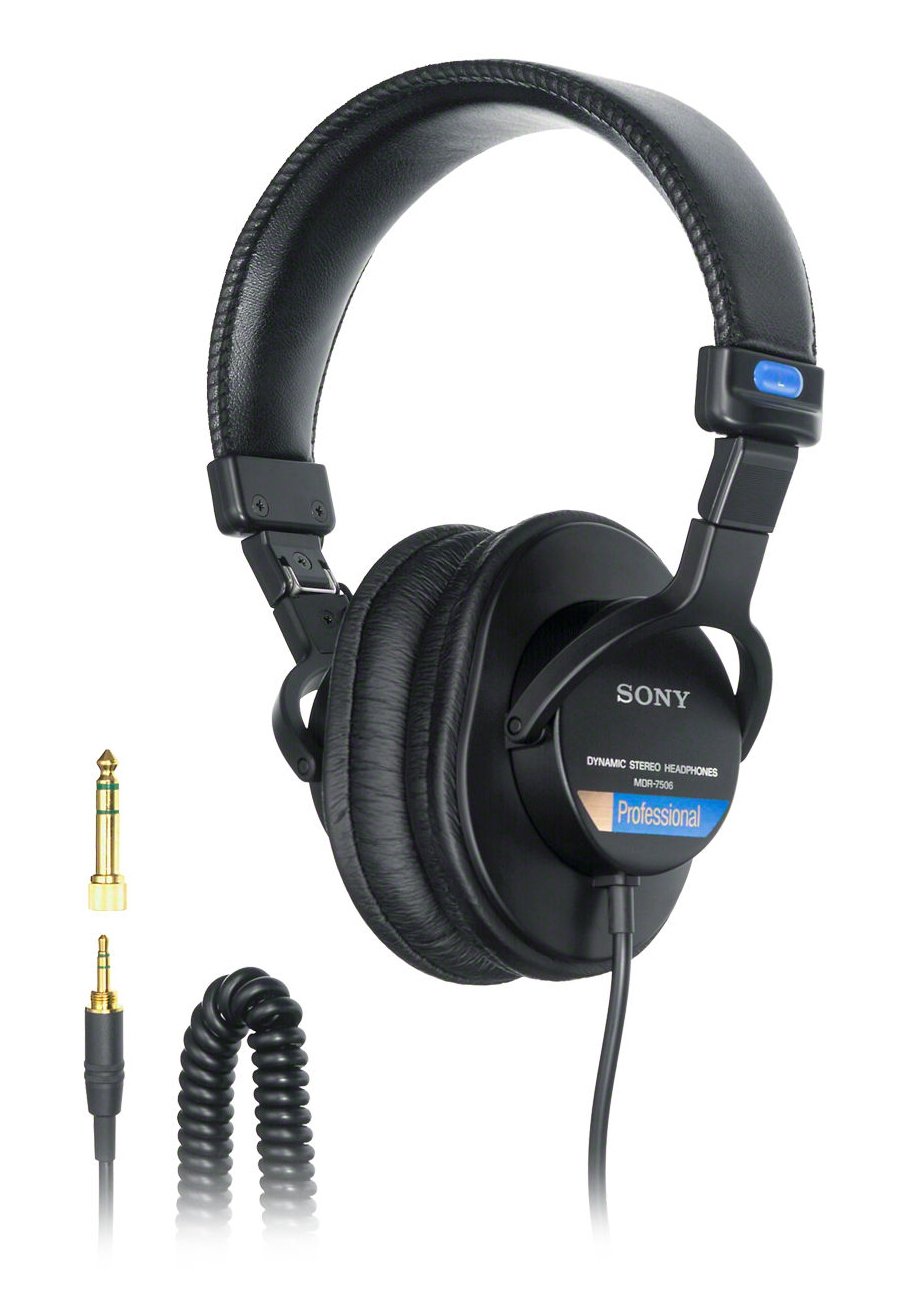
The Sony MDR-7506 has been found in professional studios, broadcast vans and film sets for over thirty years. Its reputation rests on a clear, revealing sound that highlights problems in a recording, making it a trusted tool for engineers checking mixes and field recordists capturing dialogue. The closed back design gives solid isolation, while the folding earcups and included carry pouch make it genuinely portable.
Among this year’s studio headphones options, Sony MDR-7506 offers a strong balance of quality and value.
Buyers who want proven studio headphones performance will find a lot to like in Sony MDR-7506.
At 63 ohms it is easy to drive from cameras, recorders, laptops and phones, which explains its popularity beyond the music world. The coiled cable stretches to nearly three metres for freedom of movement at a desk or console. Durability is excellent too, with many users reporting a decade or more of daily use. It remains one of the most affordable ways to hear your work with professional accuracy.
Key features:
- 40mm drivers with neodymium magnets
- Closed back design with effective isolation
- Folding design with included soft carry case
- Long coiled cable with gold plated plug
- 63 ohm impedance, easy to drive anywhere
- 10Hz to 20kHz frequency response
Pros:
- Trusted by professionals for three decades
- Great value for serious monitoring
- Very portable with folding earcups
Cons:
- Treble can sound bright on some recordings
- Cable is not detachable
5. AKG K240 Studio

The AKG K240 Studio offers a taste of high end monitoring at a very friendly price. Its semi open design blends the airy soundstage of open back headphones with a little isolation, giving a natural listening experience that flatters long mixing sessions. The self adjusting headband automatically finds a comfortable fit, and the circumaural earcups stay comfortable for hours.
AKG K240 Studio remains one of the most popular studio headphones picks with buyers.
AKG K240 Studio rounds out our studio headphones selection as a solid all round performer.
Sound quality punches well above its price, with a balanced presentation and a smooth midrange that works well for vocals and acoustic instruments. The detachable cable is a welcome feature at this price, and AKG has sold versions of this design since the 1970s, so spare parts remain easy to find. At 55 ohms it works with practically any source, from phones to professional headphone amplifiers.
Key features:
- Semi open design for a natural soundstage
- Self adjusting headband for all day comfort
- Detachable cable with mini XLR connector
- 55 ohm impedance, easy to drive
- Over ear design with comfortable earcups
- A classic design refined over decades
Pros:
- Excellent sound for the money
- Very comfortable self fitting headband
- Affordable replacement parts
Cons:
- Limited isolation, not ideal for tracking
- Build feels plasticky compared with rivals
6. Shure SRH840
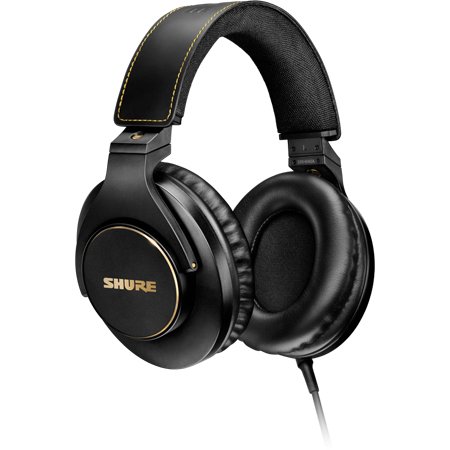
The Shure SRH840 is a workhorse monitoring headphone aimed squarely at recording and live sound work. Its closed back design delivers strong isolation, which vocalists and drummers appreciate, while the carefully tuned 40mm drivers provide a full, detailed sound with tight bass and clear highs. It is a popular choice in broadcast booths and project studios where honest monitoring matters more than brand hype.
For anyone shortlisting the best studio headphones, Shure SRH840 is well worth a closer look.
For shoppers comparing the best studio headphones this year, Shure SRH840 deserves a place on the shortlist.
Comfort is well judged, with plush ear cushions and a padded headband that suit long sessions at the desk. The detachable coiled cable locks in securely and can be replaced if damaged, and the earcups fold flat for storage in the included carry bag. A threaded quarter inch adapter is included for connecting to studio gear, making it ready to work the moment it arrives.
Key features:
- 40mm drivers tuned for accurate monitoring
- Closed back design with strong isolation
- Detachable locking coiled cable
- Collapsible earcups with carry bag included
- Bayonet clip secures the cable connection
- Threaded quarter inch adapter in the box
Pros:
- Detailed, controlled sound with solid bass
- Excellent isolation for recording
- Tough build with replaceable cable
Cons:
- Heavier than some rivals at 372 grams
- Clamping force is firm at first
7. Audio-Technica ATH-M40x
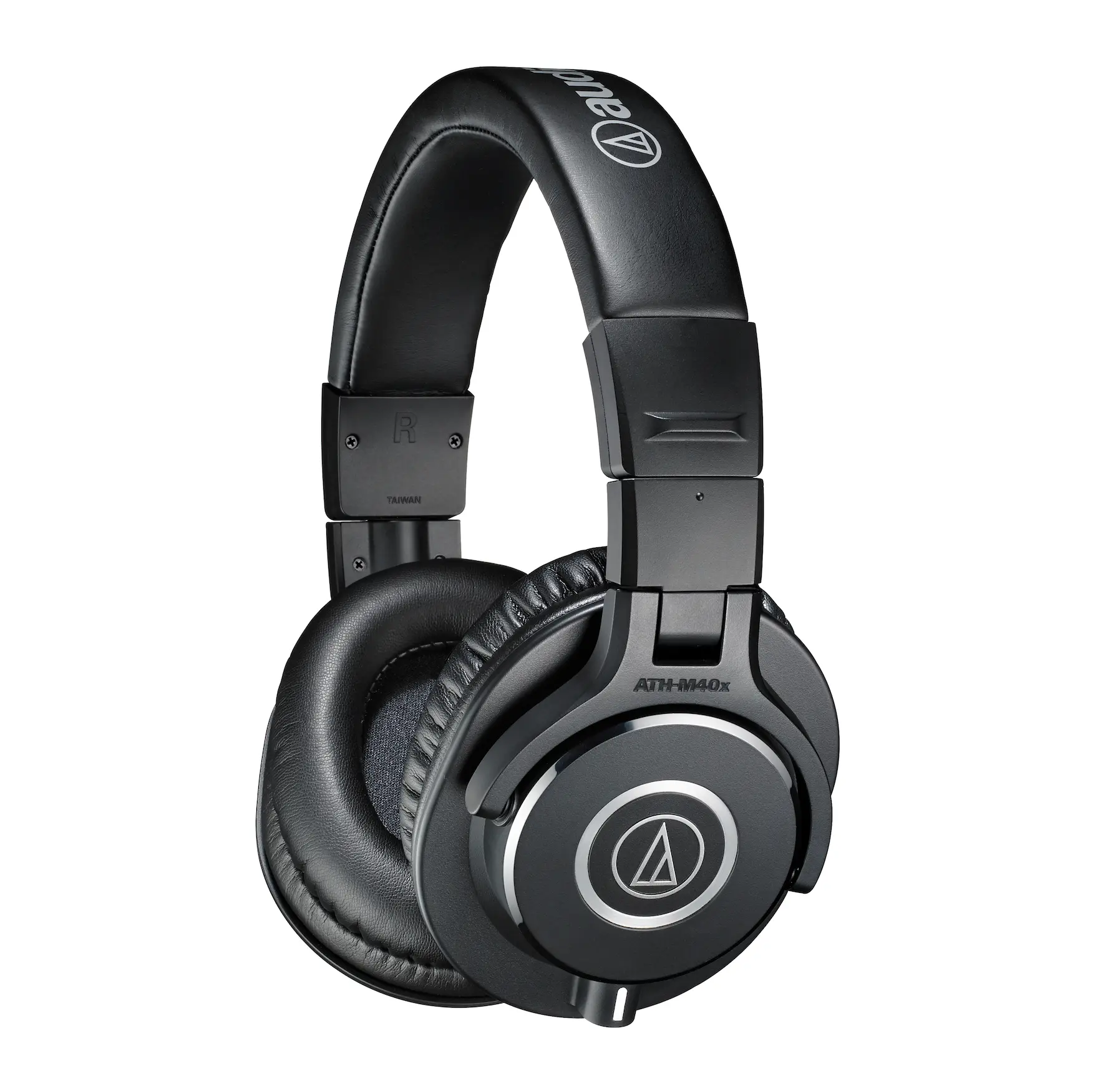
The Audio-Technica ATH-M40x gives you most of what makes its famous bigger brother great, at a lower price. It uses 40mm drivers with a flatter, more neutral tuning than the M50x, which actually makes it the better choice for critical mixing on a budget. The closed back design isolates well for tracking, and the earcups swivel 90 degrees for convenient single ear monitoring.
Audio-Technica ATH-M40x earns its place as a trusted studio headphones option in this roundup.
Overall, Audio-Technica ATH-M40x stands out as a dependable studio headphones choice for everyday use.
Like the M50x, it comes with detachable cables and folds flat for transport, so it suits home studios and mobile recording rigs alike. Build quality is reassuringly solid, with metal reinforcements in the headband, and replacement ear pads are widely available. If you want honest studio sound without spending a fortune, the M40x is one of the smartest buys in audio.
Key features:
- 40mm drivers with neutral flat tuning
- Closed back isolation for tracking
- Detachable cables, two included in the box
- 90 degree swivelling earcups
- Folding design for portability
- 35 ohm impedance for easy driving
Pros:
- Very neutral sound for the price
- Great value for beginners
- Solid build with detachable cables
Cons:
- Bass is leaner than the M50x, which some dislike
- Ear pads could be plusher
8. Beyerdynamic DT 990 Pro
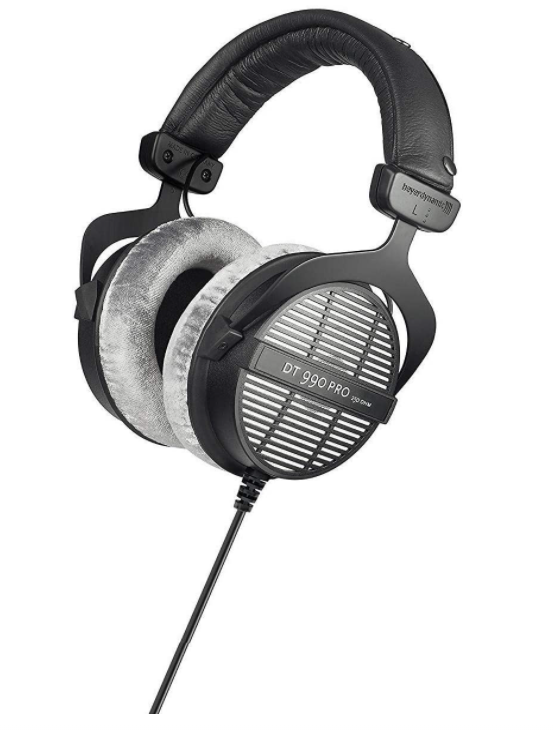
The Beyerdynamic DT 990 Pro is the open back sibling of the DT 770 Pro, and it is a superb choice for mixing when you want a big, detailed soundstage. The open design lets air move freely around the drivers, producing a spacious, speaker like presentation that reduces listening fatigue during long sessions. Its velour pads and light clamping force make it one of the most comfortable headphones in its class.
When it comes to reliable studio headphones, Beyerdynamic DT 990 Pro consistently gets high marks from owners.
If studio headphones quality is your top priority, Beyerdynamic DT 990 Pro is easy to recommend.
Tonally it is lively and revealing, with sparkling highs and deep, controlled bass that make it genuinely enjoyable for critical listening as well as mixing. Like all Beyerdynamic Pro models, every component is replaceable, so it is a long term investment rather than a disposable purchase. Available in 80 and 250 ohm versions, it pairs beautifully with a good audio interface or dedicated headphone amplifier.
Key features:
- Open back design for a wide soundstage
- Soft velour ear pads for lasting comfort
- Frequency response from 5Hz to 35kHz
- Available in 80 and 250 ohm versions
- Fully replaceable parts
- Made in Germany with robust construction
Pros:
- Huge, detailed soundstage for mixing
- Very comfortable for long sessions
- Superb build quality and longevity
Cons:
- Sound leaks, so no use for tracking
- Bright treble can fatigue sensitive ears
9. Sennheiser HD 280 Pro
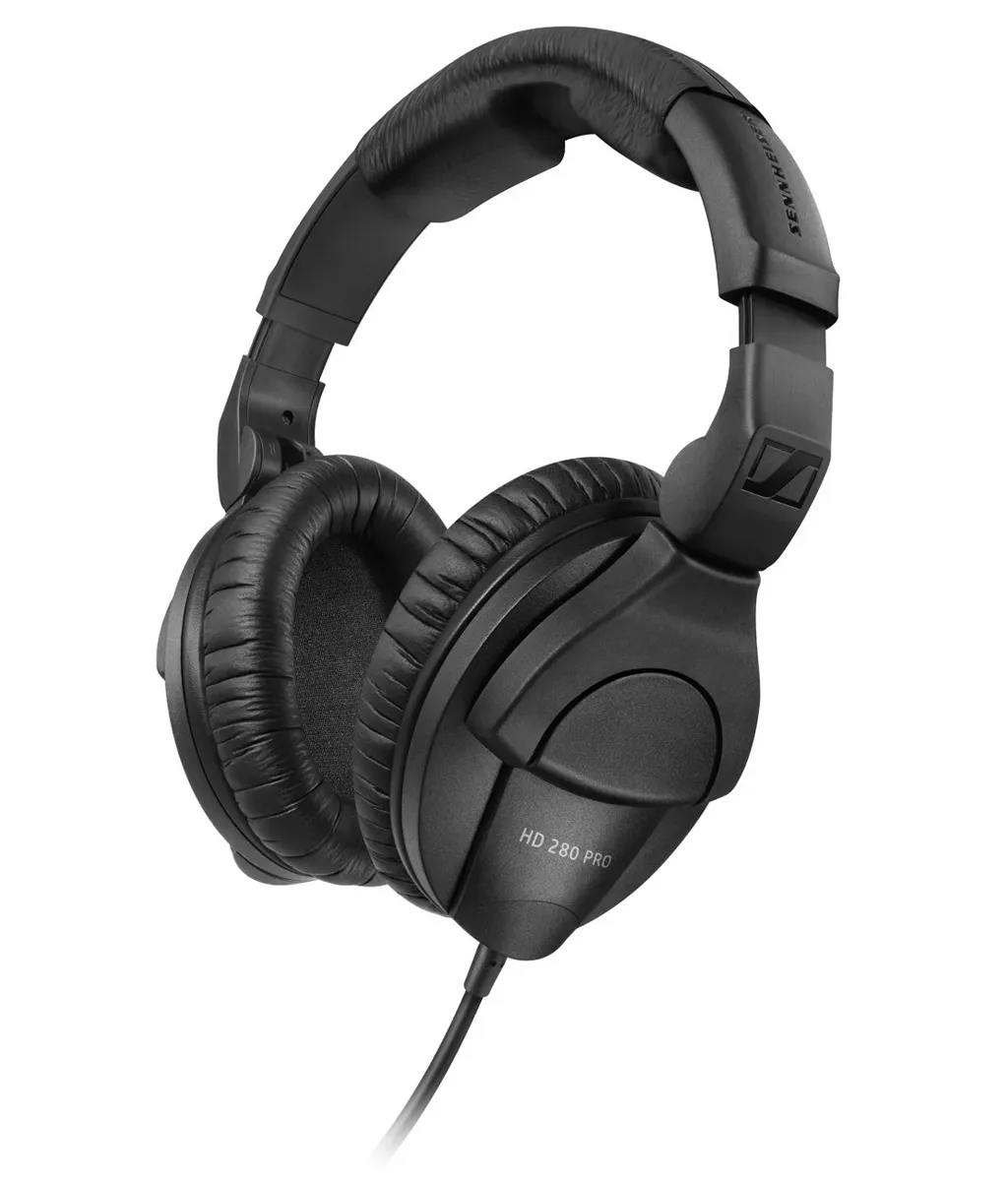
The Sennheiser HD 280 Pro is famous for one thing above all: isolation. With up to 32dB of ambient noise attenuation, it blocks out more racket than almost any headphone at this price, which makes it a favourite for drummers, live sound engineers and podcasters recording in noisy rooms. If you need to hear your mix and nothing else, this is the affordable answer.
Buyers who want proven studio headphones performance will find a lot to like in Sennheiser HD 280 Pro.
Among this year’s studio headphones options, Sennheiser HD 280 Pro offers a strong balance of quality and value.
The sound is clean and linear, with a balanced presentation that works well for tracking and editing, and the folding, collapsible design makes it easy to carry to gigs and sessions. The coiled cable extends generously for studio use, and the earcups are replaceable for a long working life. It is not the most luxurious headphone to wear, but for focused work in loud environments it is hard to beat.
Key features:
- Up to 32dB of passive noise attenuation
- Closed dynamic design for strong isolation
- Collapsible with rotating earcups
- Replaceable ear cushions for long life
- Coiled cable with quarter inch adapter
- 64 ohm impedance
Pros:
- Class leading isolation for the price
- Accurate, uncoloured monitoring sound
- Tough and very affordable
Cons:
- Clamping force is strong at first
- Not the most comfortable for very long sessions
10. Philips SHP9500
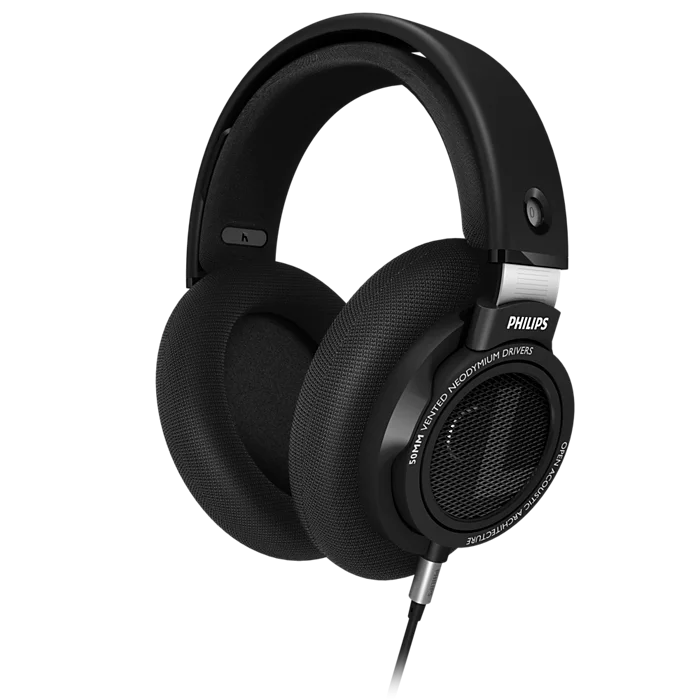
The Philips SHP9500 is something of a cult favourite, offering open back sound quality that embarrasses headphones costing three times as much. Its 50mm drivers deliver a spacious, detailed presentation with a smooth midrange that suits mixing checks and relaxed critical listening. The steel frame headband and breathable fabric ear cushions keep it comfortable for marathon sessions.
Philips SHP9500 rounds out our studio headphones selection as a solid all round performer.
Philips SHP9500 remains one of the most popular studio headphones picks with buyers.
At 32 ohms it is effortless to drive from any phone, laptop or interface, and the detachable cable means a damaged lead never kills the headphone. While it lacks the isolation needed for tracking, it makes an outstanding second pair for double checking mixes and enjoying music. For budget studios, it is one of the best value purchases in all of audio.
Key features:
- 50mm neodymium drivers for detailed sound
- Open back design with wide soundstage
- Breathable fabric ear cushions
- Steel headband with self adjusting fit
- Detachable cable
- 32 ohm impedance, easy to drive
Pros:
- Amazing sound quality for the price
- Lightweight and very comfortable
- Great as a second reference pair
Cons:
- No isolation, unsuitable for tracking
- Build is basic for the price bracket
Buying Guide: How to Choose Studio Headphones
Open back vs closed back. Closed back headphones isolate you from the room and stop sound leaking into microphones, which makes them essential for tracking vocals and instruments. Open back headphones sound more spacious and natural but leak sound, so they are best reserved for mixing in a quiet room.
Sound signature. Studio headphones should sound neutral and honest rather than flattering. Look for a flat frequency response that reveals problems in your mix instead of hiding them. A little bass emphasis is fine for tracking, but critical mixing demands accuracy.
Comfort. You may wear these for eight hours a day, so comfort matters as much as sound. Plush ear pads, a well padded headband and moderate clamping force make long sessions enjoyable. Velour pads breathe better than leatherette in warm rooms.
Impedance. Low impedance models (32 to 80 ohms) work well with phones, laptops and portable recorders. High impedance models (250 to 300 ohms) often sound better but need a dedicated headphone amplifier or a quality audio interface to reach full volume.
Detachable cables and spare parts. Cables are the first thing to fail on any headphone. Models with detachable cables and available spare parts, like the Beyerdynamic Pro series and the ATH-M50x, can last for decades instead of years.
Budget. Excellent studio headphones start at very reasonable prices. The Philips SHP9500 and AKG K240 Studio prove you do not need to spend a fortune, while mid range classics like the ATH-M50x and DT 770 Pro cover most professional needs.
Keep researching the best studio headphones with our related guides to the best acoustic guitars and best electric guitars. For useful background on studio headphones, the Musical instrument on Wikipedia article is worth a read.
Frequently Asked Questions
**What is the difference between studio headphones and normal headphones?** For more detail on studio headphones, see the buying guide above.
Studio headphones are designed for accuracy rather than entertainment. They aim for a flat, neutral frequency response so you hear recordings as they truly are, while consumer headphones usually boost the bass and treble to sound more exciting on the go. This honesty makes studio models essential for mixing and tracking, where you need to hear problems rather than have them hidden. For more detail on studio headphones, see the buying guide above.
**Do I need open back or closed back headphones?**
If you record vocals or instruments with a microphone, you need closed back headphones to prevent sound leaking into the recording and to block outside noise. If you only mix in a quiet room, open back headphones usually give a more natural, spacious sound with less listening fatigue. Many engineers own both: closed backs for tracking sessions and open backs for critical mixing work.
**Can I mix a whole song on headphones?**
Yes, many producers mix entirely on headphones, especially with accurate models like the Sennheiser HD 600 or Beyerdynamic DT 990 Pro. It is wise to check your mix on speakers too, since headphones can exaggerate stereo width and understate bass.
**What impedance should I choose?**
For use with a laptop, phone or portable recorder, choose 32 to 80 ohms so you get plenty of volume. For a home studio with a good audio interface or headphone amplifier, higher impedance models from 250 ohms upwards often deliver the best sound quality.
**How long do studio headphones last?**
With care, a good pair lasts many years. Models with detachable cables and replaceable ear pads, such as the Beyerdynamic DT 770 Pro and Audio-Technica ATH-M50x, can be kept going for a decade or more by replacing worn parts.
Conclusion
The best studio headphones for you depend on how you work. For an all round pair that tracks, mixes and travels brilliantly, the Audio-Technica ATH-M50x and Beyerdynamic DT 770 Pro remain the safest recommendations in audio. Mix engineers working in quiet rooms should look at the Sennheiser HD 600 or Beyerdynamic DT 990 Pro for reference grade accuracy, while the Sony MDR-7506 and Sennheiser HD 280 Pro are unbeatable value for tracking and location work. On a tight budget, the Philips SHP9500 and AKG K240 Studio deliver far more than their price suggests.
Whichever pair you choose, honest monitoring will improve every recording and mix you make. Pick the design that suits your room, keep some spare ear pads handy, and enjoy hearing your music properly for the first time.
In short, the best studio headphones is the one that fits your needs and budget. Use the reviews above to compare the leading studio headphones options side by side, then pick the studio headphones that you will enjoy using for years to come.
