
10 Best Studio Monitors – Top Pro Picks for 2026
Your studio monitors are the most important link in your production chain. Everything you do, every EQ move, every level balance and every effect, depends on hearing your music accurately. Mix on coloured speakers and your tracks will only sound right on those speakers. Mix on honest monitors and your music translates everywhere, from earbuds to club systems. This studio monitors guide brings together everything you need to choose with confidence.
We have rounded up the ten best studio monitors you can buy right now, from tiny desktop speakers for bedroom producers to serious nearfields for dedicated mix rooms. Every pick has been judged on sound accuracy, stereo imaging, bass response, build quality and value for money. Whatever your room size and budget, and whether you mix hip hop, electronic music, rock or podcasts, you will find a pair here that tells you the truth about your music. Buying the right monitors is the single biggest upgrade you can make to your studio, so take the time to choose well.
1. KRK Rokit 5 G5
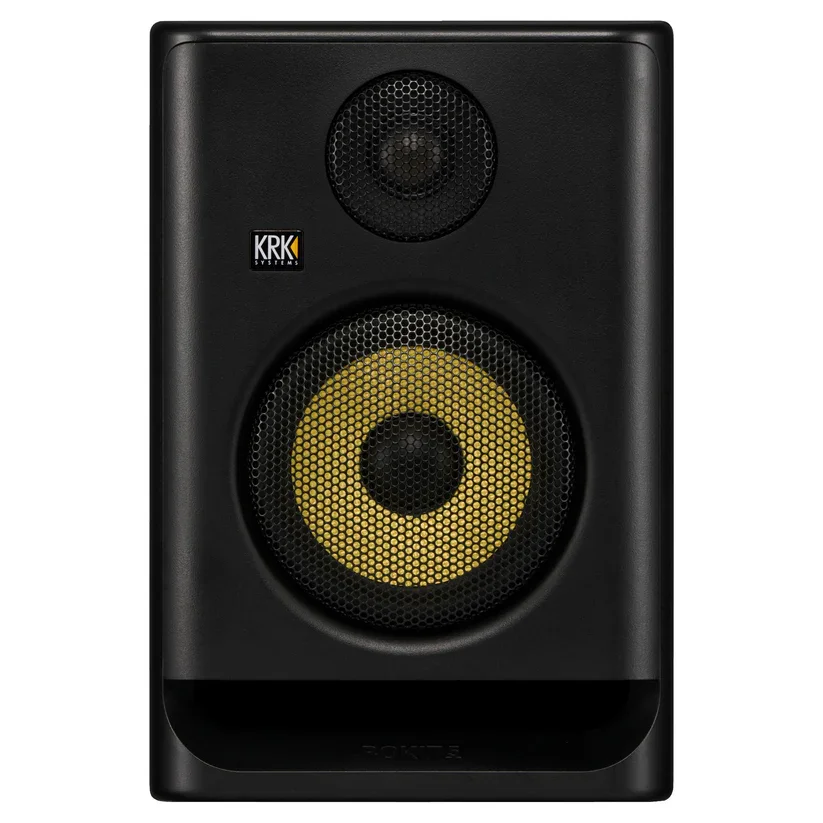
The KRK Rokit 5 G5 is the fifth generation of the most recognisable studio monitor ever made. That famous yellow Kevlar woofer is backed by serious tech, with built in DSP room correction offering four EQ modes that adapt the sound to your room. The 5 inch woofer and 1 inch tweeter deliver 55 watts of punchy, forward sound that makes electronic music and hip hop exciting to produce.
For shoppers comparing the best studio monitors this year, KRK Rokit 5 G5 deserves a place on the shortlist.
For anyone shortlisting the best studio monitors, KRK Rokit 5 G5 is well worth a closer look.
Bluetooth streaming lets you reference tracks from your phone, a genuinely useful feature for checking how your mixes compare. The voicing is fun rather than flat, which some purists dislike, but for beat makers who want to feel the bass, the Rokit 5 G5 remains a studio icon. If your music lives on the low end, start here.
Key features:
- 5 inch Kevlar woofer with 1 inch tweeter
- DSP room correction with four EQ modes
- 55 watts of bi-amped power
- Bluetooth streaming for referencing
- XLR, TRS and RCA inputs
- Iconic yellow cone design
Pros:
- Exciting, punchy low end
- Useful room correction modes
- Bluetooth referencing
Cons:
- Voicing is coloured, not perfectly flat
- Bass can overwhelm small rooms
2. Yamaha HS5
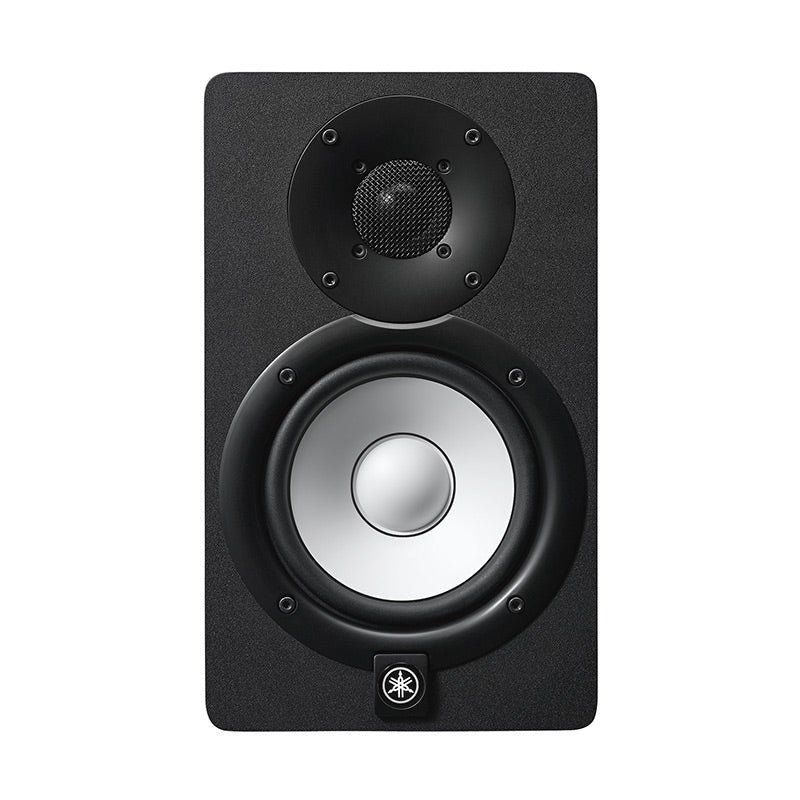
The Yamaha HS5 is the industry standard for honest nearfield monitoring. Descended from the legendary NS-10, it is famous for one thing: telling you the brutal truth about your mix. The 5 inch cone woofer and 1 inch dome tweeter produce a flat, unflattering response that exposes problems other monitors hide.
Overall, Yamaha HS5 stands out as a dependable studio monitors choice for everyday use.
Yamaha HS5 earns its place as a trusted studio monitors option in this roundup.
Room control and high trim switches on the rear let you adapt the sound to your space, and the 70 watt bi-amped design provides clean headroom at normal listening levels. They are not fun to listen to, and that is exactly the point. Countless professional studios use HS5s as a second reference pair because mixes that sound good on them sound good anywhere. For serious mixing on a budget, nothing beats them.
Key features:
- 5 inch cone woofer and 1 inch dome tweeter
- Famously flat, honest frequency response
- 70 watts bi-amped power
- Room control and high trim switches
- XLR and TRS inputs
- Trusted in professional studios worldwide
Pros:
- Ruthlessly honest sound
- Mixes translate everywhere
- Excellent value for professionals
Cons:
- Not enjoyable for casual listening
- Limited low end without a subwoofer
3. JBL 305P MkII
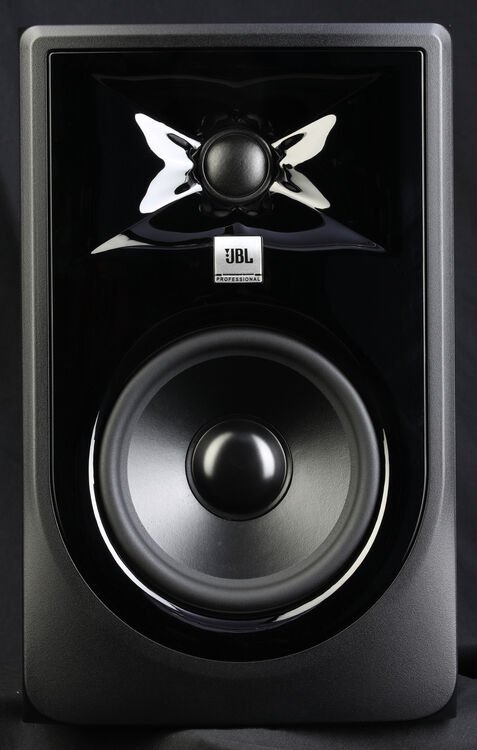
The JBL 305P MkII is the best value studio monitor in its class. Its patented Image Control Waveguide creates a remarkably wide sweet spot with precise stereo imaging, so you hear exactly where every element sits in the mix. The 5 inch woofer and 1 inch tweeter are powered by 82 watts of efficient Class D amplification.
If studio monitors quality is your top priority, JBL 305P MkII is easy to recommend.
When it comes to reliable studio monitors, JBL 305P MkII consistently gets high marks from owners.
Boundary EQ settings compensate for placement near walls, which is a lifesaver in untreated bedrooms, and the Slip Stream port design reduces bass distortion at high volumes. Reviewers consistently rank it among the best sounding monitors under its price, often comparing it favourably with models costing twice as much. For first time buyers, this is the pair to beat.
Key features:
- 5 inch woofer with Image Control Waveguide
- Wide sweet spot with precise imaging
- 82 watts Class D amplification
- Boundary EQ for wall placement
- Slip Stream low frequency port
- XLR and TRS inputs
Pros:
- Outstanding sound for the price
- Wide, forgiving sweet spot
- Great in untreated rooms
Cons:
- Hiss from the tweeter at close range
- Plain, utilitarian looks
4. Mackie CR3-X
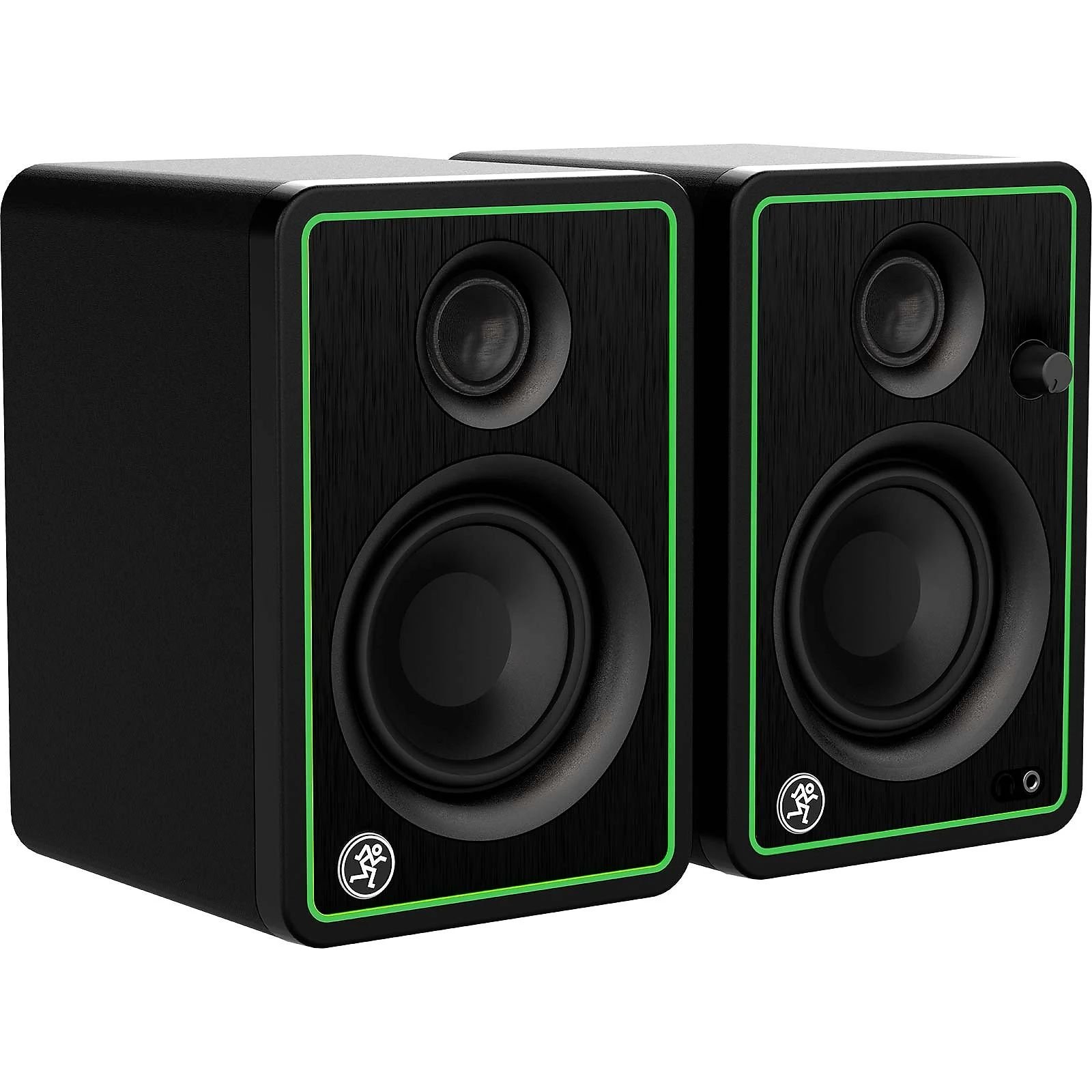
The Mackie CR3-X is the perfect first step into proper monitoring. This affordable pair of 3 inch multimedia monitors is designed for bedroom producers, podcasters and content creators who need better sound than computer speakers. The distinctive green trim and compact cabinets look great on any desk.
Among this year’s studio monitors options, Mackie CR3-X offers a strong balance of quality and value.
Buyers who want proven studio monitors performance will find a lot to like in Mackie CR3-X.
Front panel volume, headphone output and aux input make daily use effortless, while the rear RCA and TRS inputs connect to your interface or mixer. A speaker placement switch optimises the sound for desktop or bookshelf use. They will not replace true nearfields for critical mixing, but for learning production, gaming and everyday listening, the CR3-X delivers far more than its price suggests.
Key features:
- 3 inch woofers with 0.75 inch tweeters
- 50 watts total system power
- Front panel volume and headphone jack
- Aux, RCA and TRS inputs
- Speaker placement switch
- Compact desktop friendly design
Pros:
- Extremely affordable
- Great for beginners and creators
- Convenient front panel controls
Cons:
- Not accurate enough for serious mixing
- Limited bass from 3 inch drivers
5. PreSonus Eris 3.5
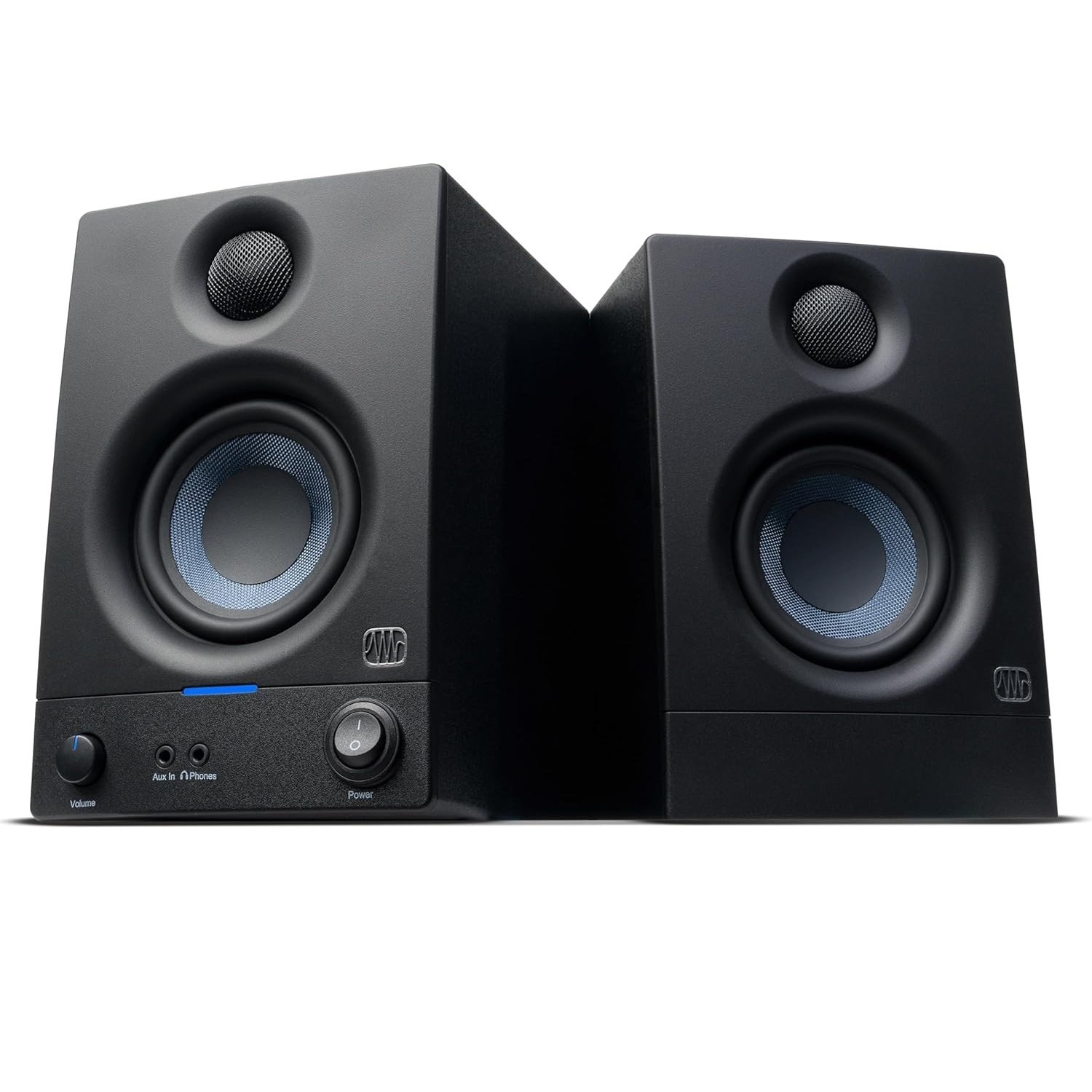
The PreSonus Eris 3.5 packs genuine studio monitor technology into a tiny, affordable pair. The 3.5 inch woven composite woofers and 1 inch silk dome tweeters deliver a surprisingly balanced 50 watt sound, with acoustic tuning controls on the rear for high, mid and low frequencies plus a three position acoustic space switch.
PreSonus Eris 3.5 remains one of the most popular studio monitors picks with buyers.
PreSonus Eris 3.5 rounds out our studio monitors selection as a solid all round performer.
Front panel volume and a headphone output with speaker mute make them ideal for desktop use, while balanced TRS, unbalanced RCA and aux inputs connect to almost anything. The second generation adds improved voicing and Bluetooth options on some models. For producers starting out in a small room, the Eris 3.5 is one of the smartest buys available.
Key features:
- 3.5 inch woven composite woofers
- 1 inch silk dome tweeters
- 50 watts Class AB amplification
- Acoustic tuning and space controls
- Front headphone output with mute
- TRS, RCA and aux inputs
Pros:
- Balanced sound at a tiny price
- Useful acoustic tuning controls
- Ideal for small desks
Cons:
- Limited low end extension
- Cabinets feel lightweight
6. ADAM Audio T5V

The ADAM Audio T5V brings the company's legendary ribbon tweeter technology to an affordable price. The U-ART accelerated ribbon tweeter delivers stunning high frequency detail and a wide, airy top end that conventional dome tweeters cannot match. The 5 inch polypropylene woofer provides tight, controlled bass down to 45 Hz.
For anyone shortlisting the best studio monitors, ADAM Audio T5V is well worth a closer look.
A rear panel DSP section offers high and low shelving filters plus a volume control, and the wide dispersion tweeter creates a generous sweet spot. The T5V excels on vocals, acoustic instruments and anything where midrange and treble clarity matter. For the price, no other monitor reveals this much detail. If you mix music with real instruments and voices, the T5V is exceptional.
Key features:
- U-ART accelerated ribbon tweeter
- 5 inch polypropylene woofer
- 70 watts bi-amped power
- DSP high and low shelving filters
- Wide dispersion sweet spot
- XLR and RCA inputs
Pros:
- Superb treble detail and clarity
- Excellent for vocals and acoustic music
- Great value for the technology
Cons:
- Ribbon tweeter needs careful handling
- Bass is tight rather than deep
7. IK Multimedia iLoud Micro Monitor
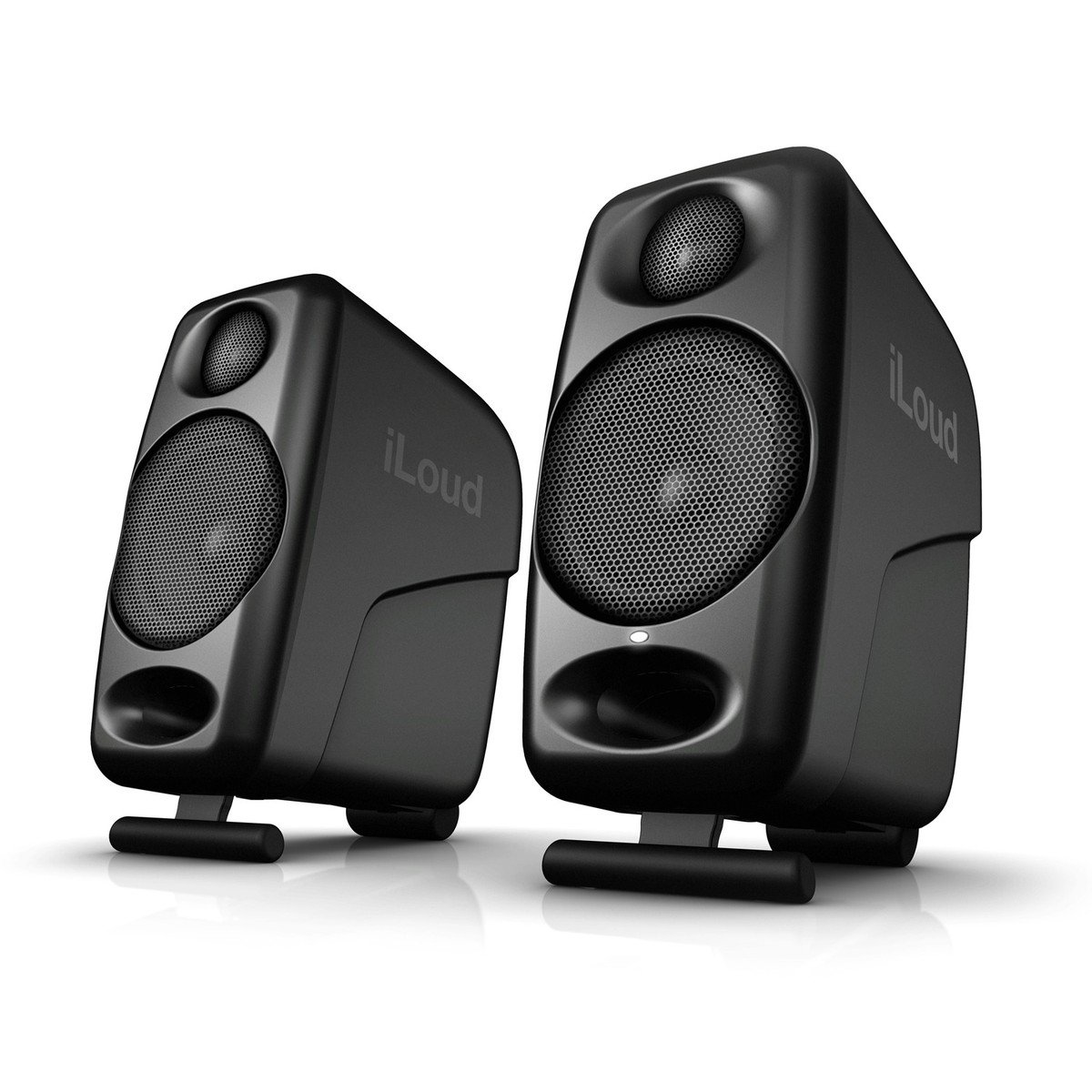
The IK Multimedia iLoud Micro Monitor is the smallest true studio monitor in the world, and it sounds far bigger than it looks. Each tiny speaker packs 50 watts of bi-amped power driving a 3 inch woofer and 0.75 inch tweeter, with DSP delivering a flat 55 Hz to 20 kHz response that rivals monitors three times the size.
IK Multimedia iLoud Micro Monitor earns its place as a trusted studio monitors option in this roundup.
Bluetooth streaming, RCA and 1/8 inch inputs make them perfect for mobile producers, and the tilt adjustable stands aim the sound precisely at your ears. They fit in a backpack, run from any desk, and translate mixes remarkably well. For travelling producers, tiny studios and anyone who needs reference sound anywhere, the iLoud Micro Monitor is a modern classic.
Key features:
- Ultra compact true studio monitor
- 50 watts bi-amped per speaker
- DSP tuned 55 Hz to 20 kHz response
- Bluetooth, RCA and aux inputs
- Tilt adjustable desktop stands
- Backpack portable
Pros:
- Astonishing sound from a tiny box
- Perfect for travel and small desks
- Genuine reference quality
Cons:
- Small drivers limit maximum volume
- Premium price for the size
8. Yamaha HS8
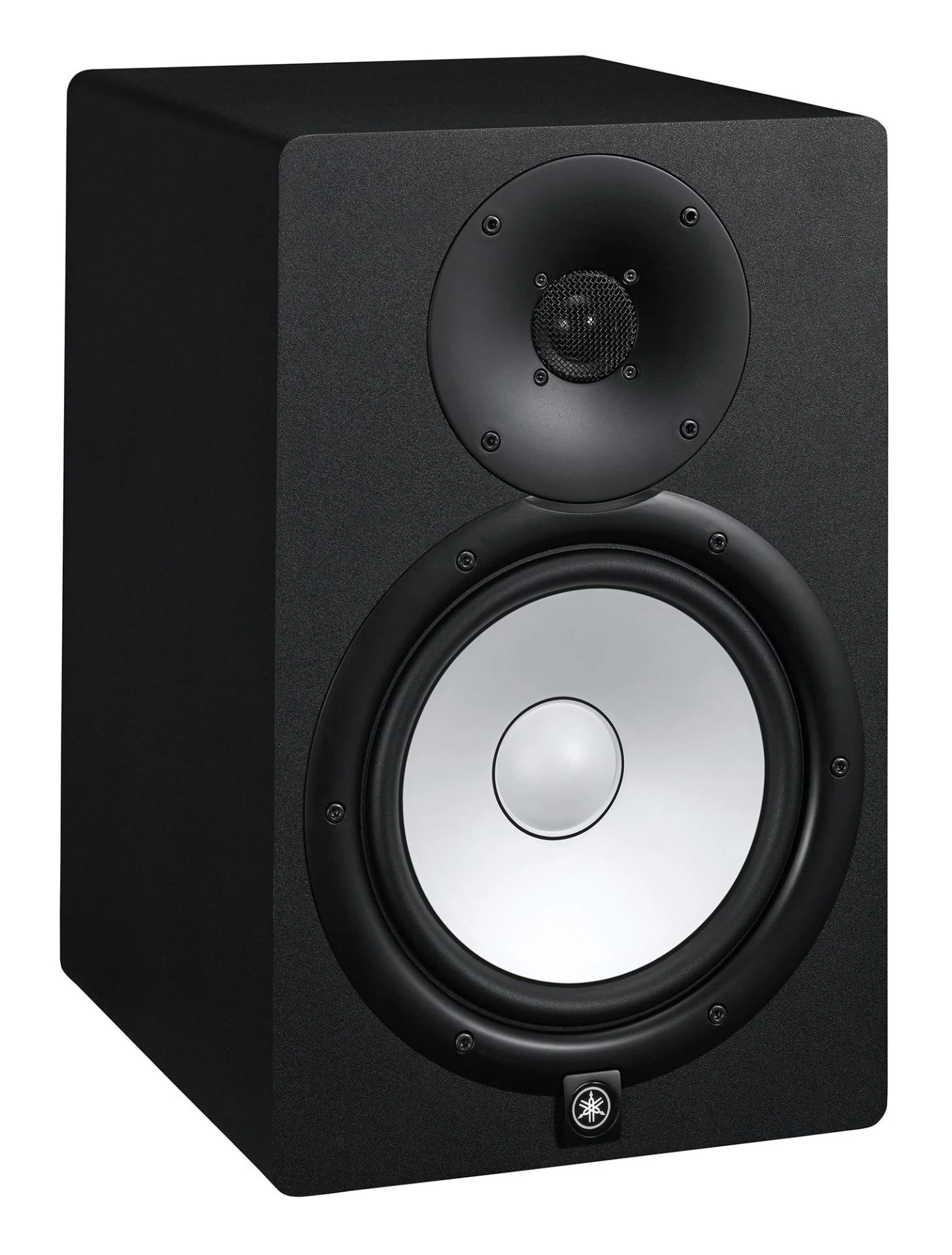
The Yamaha HS8 is the big brother of the HS5, and the definitive mid size nearfield for serious home studios. Its 8 inch cone woofer extends the bass down to 38 Hz, giving you genuine low end authority without a subwoofer, while the 1 inch dome tweeter keeps the famous HS honesty in the mids and highs.
When it comes to reliable studio monitors, Yamaha HS8 consistently gets high marks from owners.
With 120 watts of bi-amped power, the HS8 fills larger rooms effortlessly, and the room control and high trim switches tame problematic acoustics. Mixes made on HS8s translate with the same reliability that made the NS-10 a legend. If your room can handle the size and the bass, the HS8 is the last monitor many producers ever buy.
Key features:
- 8 inch cone woofer and 1 inch dome tweeter
- 38 Hz to 30 kHz frequency response
- 120 watts bi-amped power
- Room control and high trim switches
- XLR and TRS inputs
- Legendary HS series honesty
Pros:
- Deep, accurate bass without a sub
- Mixes translate brilliantly
- Professional standard reference
Cons:
- Large cabinets need space
- Too much bass for tiny untreated rooms
9. Genelec 8010A
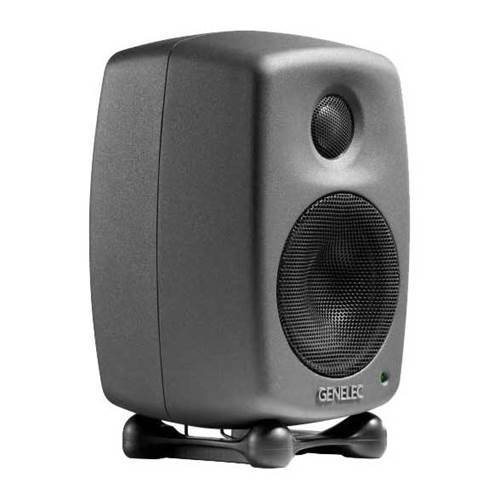
The Genelec 8010A is the smallest monitor Genelec makes, and it carries the full DNA of the Finnish company's legendary precision. The 3 inch woofer and 0.75 inch tweeter sit in Genelec's iconic rounded aluminium enclosure with a Directivity Control Waveguide, producing astonishingly accurate sound from a speaker barely bigger than a paperback.
Buyers who want proven studio monitors performance will find a lot to like in Genelec 8010A.
Iso-Pod stands decouple the monitors from your desk for cleaner bass, and the rear panel room compensation switches adapt to your space. Broadcast trucks, location recorders and post production suites rely on the 8010A where space is critical and accuracy is non negotiable. For the ultimate compact reference monitor, nothing touches Genelec.
Key features:
- 3 inch woofer and 0.75 inch tweeter
- Precision aluminium enclosure
- Directivity Control Waveguide
- Iso-Pod decoupling desktop stands
- Room compensation switches
- 50 watts bi-amped power
Pros:
- Reference grade accuracy in tiny size
- Superb build quality
- Ideal for small and mobile setups
Cons:
- Expensive for the size
- Limited bass and maximum volume
10. Edifier MR4

The Edifier MR4 proves you do not need to spend much for honest sound. These 4 inch powered monitors feature a 1 inch silk dome tweeter and 4 inch composite woofer with 42 watts of Class D power, plus a dedicated monitor mode that flattens the response for production work and a music mode for enjoyable listening.
Edifier MR4 rounds out our studio monitors selection as a solid all round performer.
Balanced TRS, unbalanced RCA and aux inputs cover every connection, and the front panel headphone jack and volume knob keep control at your fingertips. The wooden cabinets look classy on any desk. For beginners who want a genuine taste of studio monitoring without the studio price, the MR4 is the smartest entry point of all.
Key features:
- 4 inch woofer and 1 inch silk dome tweeter
- Monitor and music sound modes
- 42 watts Class D amplification
- TRS, RCA and aux inputs
- Front headphone jack and volume
- Classy wooden cabinets
Pros:
- Remarkable value for money
- Genuine monitor mode
- Attractive design
Cons:
- Modest bass extension
- Not a substitute for true nearfields
Buying Guide: How to Choose Studio Monitors
Match the monitor to your room. This matters more than anything else. Small bedrooms suit 3 to 5 inch monitors like the Edifier MR4 or JBL 305P MkII, while larger treated rooms can handle 8 inch models like the Yamaha HS8. Oversized monitors in a tiny room create bass problems you cannot mix around.
Understand flat versus fun. True studio monitors aim for a flat, honest response so your mixes translate. The Yamaha HS5 and Genelec 8010A are ruthlessly honest. Monitors like the KRK Rokit 5 G5 are voiced to sound exciting, which is more fun but less reliable for critical decisions. Many producers own both.
Woofer size and bass. Bigger woofers reach lower frequencies. A 3 inch monitor cannot reproduce deep bass no matter how good it is, so hip hop and electronic producers should favour 5 inch models or larger, or add a subwoofer later. Check the frequency response specs, but trust your ears most.
Nearfield positioning. Place monitors at ear height, angled toward you in an equilateral triangle with your head. Keep them away from walls where possible, and use the boundary EQ or room control switches to compensate when you cannot. Good placement improves any monitor enormously.
Connectivity. Most monitors accept balanced XLR or TRS from an audio interface, which rejects noise over long cable runs. Budget models add RCA and aux for connecting phones and laptops. Make sure your chosen pair matches your interface outputs.
Active versus passive. Almost all modern studio monitors are active, with amplifiers built in and matched to the drivers. This guide covers active monitors only, which is what nearly every home studio producer should buy.
Budget realistically. Monitors are sold individually at the professional end, so a pair costs double the listed price. Budget pairs like the Mackie CR3-X and PreSonus Eris 3.5 are sold as sets. Factor in cables and possibly isolation pads or stands.
Keep researching the best studio monitors with our related guides to the best acoustic guitars and best electric guitars. For useful background on studio monitors, the Musical instrument on Wikipedia article is worth a read.
Frequently Asked Questions
What is the difference between studio monitors and regular speakers? For more detail on studio monitors, see the buying guide above.
Studio monitors are designed for a flat, accurate frequency response so you hear your mix exactly as it is. Regular speakers and hi-fi systems boost bass and treble to sound exciting, which hides problems and leads to mixes that do not translate to other systems. For more detail on studio monitors, see the buying guide above.
Do I need a subwoofer with studio monitors?
Not necessarily. Five inch monitors like the JBL 305P MkII reproduce enough bass for most music, and eight inch models like the Yamaha HS8 go genuinely deep. A subwoofer helps with bass heavy genres in larger rooms, but in small untreated rooms it often causes more problems than it solves.
How far should I sit from my studio monitors?
For nearfield monitors, sit roughly one metre away, forming an equilateral triangle between the two speakers and your head. The tweeters should be at ear height and angled directly at you. This keeps room reflections to a minimum and gives the most accurate stereo image.
Can I use studio monitors for casual music listening?
Yes, though honest monitors like the Yamaha HS5 can sound clinical with commercial music. Models with a music mode, like the Edifier MR4, or more flattering monitors like the KRK Rokit 5 G5, are more enjoyable for everyday listening while still working for production.
Should I buy monitors as a pair or individually?
Professional monitors are usually sold individually, so check whether the price is per speaker or per pair before budgeting. Budget models like the Mackie CR3-X and PreSonus Eris 3.5 are sold as pairs. Always buy a matched pair for consistent stereo imaging.
Conclusion
The best studio monitors are the ones that tell you the truth in your room. For honest mixing on a budget, the Yamaha HS5 and JBL 305P MkII are the benchmarks every other monitor is judged against, while the ADAM Audio T5V adds stunning ribbon tweeter detail for not much more. Electronic producers will love the punchy KRK Rokit 5 G5, and the Yamaha HS8 brings full range authority to bigger rooms.
On a tight budget, the PreSonus Eris 3.5, Edifier MR4 and Mackie CR3-X all deliver genuine monitoring far beyond their price. Travelling producers should grab the IK Multimedia iLoud Micro Monitor, and those wanting the ultimate compact reference should look at the Genelec 8010A. Whichever pair you choose, take time to position them well and learn their sound, because great monitors reward great listening.
In short, the best studio monitors is the one that fits your needs and budget. Use the reviews above to compare the leading studio monitors options side by side, then pick the studio monitors that you will enjoy using for years to come.
